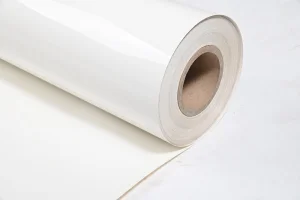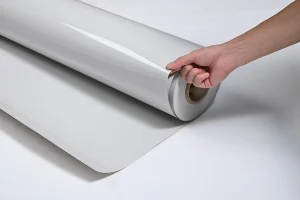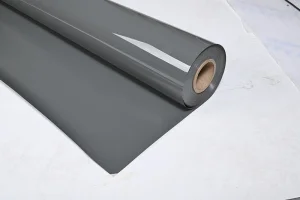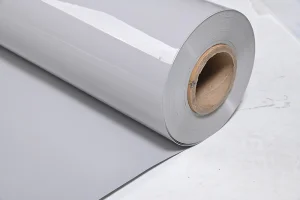
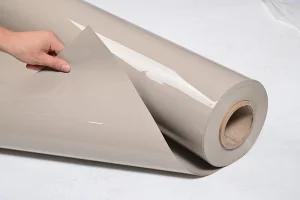
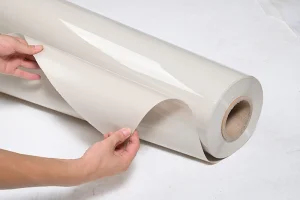
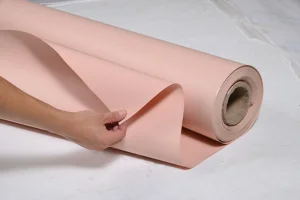
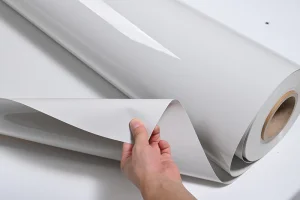
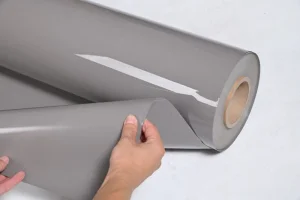
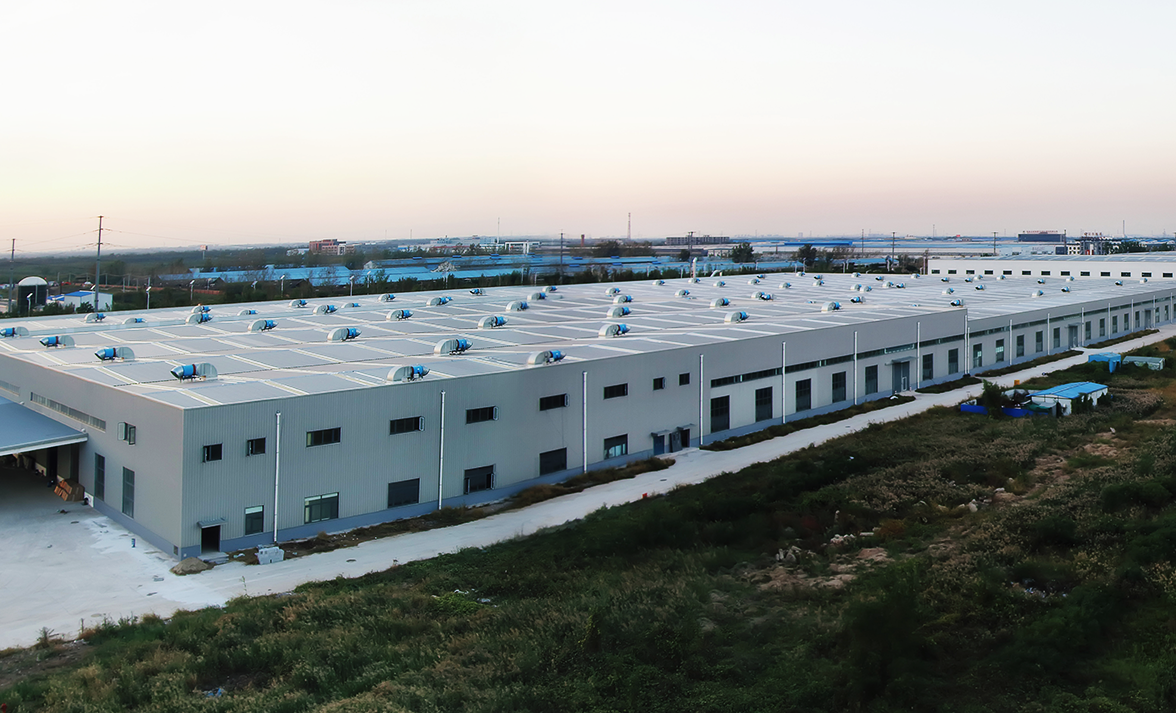
Established in 2017, Ganzhou Zhongyou Film Material Co., Ltd. represents the peak of over two decades of engineering and compounding excellence in the precision coating, surface treatment, and plastic extrusion industries. With roots going back to 2005, our facility specializes in the production of functional polymer films designed for high-end surface finishes, flat-panel lamination, and heavy-duty protective panels.
By integrating advanced polymer compounding, multi-layer co-extrusion, slot-die precision coating, and cleanroom slitting, we supply high-performance 300-micron decorative sheets. These solutions consistently meet strict international standards, providing furniture manufacturing, architectural design, and industrial laminating enterprises with cost-effective, high-yield options.

Within the structural panel and custom cabinetry sectors, substrate thickness is a critical factor for quality control, production yield, and long-term performance. Specifically, the 300-micron (0.3mm) thickness represents an engineering sweet spot for decorative surfaces. When thin foils (100–150 microns) are applied to engineered wood substrates like Medium-Density Fiberboard (MDF) or Particleboard, they often reveal fibers and imperfections under grazing light—a phenomenon known in the trade as orange peel telegraphing.
At 300 microns, the rigid structural behavior of polymer sheets (such as PETG, GAG, and PVC) acts as a bridge over minor board variations. This ensures a clean, smooth surface finish. This thickness also provides the physical mass required to support deep mechanical embossing, structured texturing, and multi-layer protective coatings. It achieves this structural rigidity while remaining flexible enough for continuous roll-fed PUR (Polyurethane Reactive) flat paste lines, making it a highly reliable selection for industrial laminating lines.
Modern plastic sheets are engineered using specialized polymer blends. Choosing between GAG, PETG, and PVC depends on the mechanical requirements, environmental compliance, and cost targets of the project:
| Performance Characteristic | 300-Micron PETG | 300-Micron GAG | 300-Micron Rigid PVC |
|---|---|---|---|
| Density (g/cm³) | 1.27 | 1.30 | 1.35 - 1.45 |
| Scratch Resistance (Pencil Hardness) | ≥ 2H (Coated) | ≥ 2H (Coated) | HB - H |
| Tensile Strength at Yield (MPa) | 50 | 48 | 40 |
| Environmental Footprint | Eco-Friendly / Recyclable | Highly Recyclable | Chlorinated / Waste Challenges |
| Orange Peel Resistance | Excellent | Excellent | Moderate |
Developing high-performance 300-micron decorative sheets requires precise engineering at every stage of the manufacturing process:
Our 100,000-level dust-free workshops protect the film from airborne particulates down to 0.5 microns. Contaminants on raw substrates can cause surface bubbles and pinholes during subsequent high-gloss coating stages. To prevent this, the co-extruded sheet is processed on calendar lines, followed by automated double-sided corona treatments. This treatment elevates the surface energy to at least 42 dynes/cm, ensuring strong adhesion of solvent-free PUR hot melt adhesives during flat pasting.
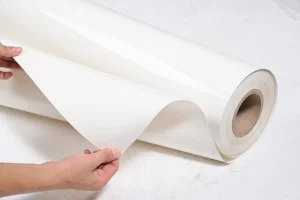
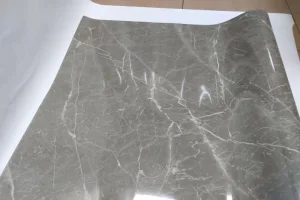
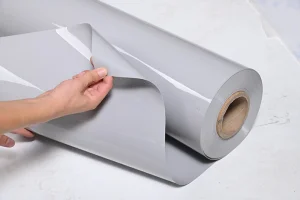
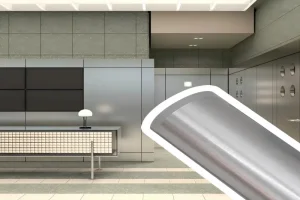
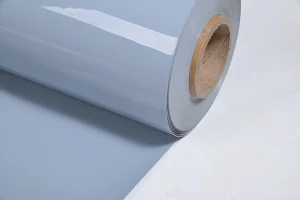
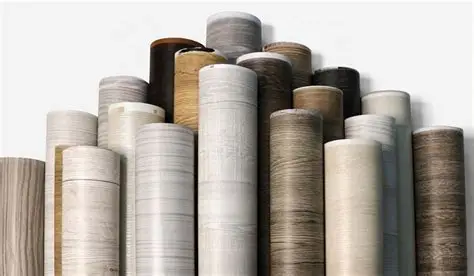
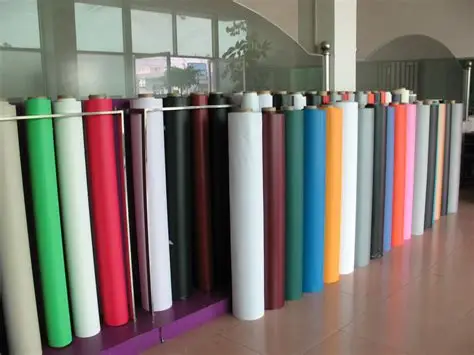
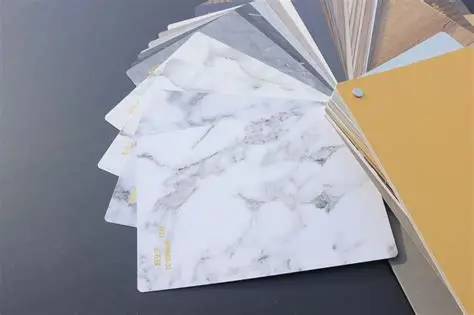
Our functional PETG and GAG decorative sheets are designed for industrial lamination, providing flat surfaces and realistic textures for a variety of residential and commercial spaces.
The global B2B architectural surfaces market is shifting away from high-gloss PVC foils toward eco-friendly, high-performance super-matte materials. The current standard for premium surface design focuses on low-gloss levels (typically under 3 Gloss Units at a 60-degree angle) combined with strong anti-fingerprint characteristics.
Achieving these properties requires advanced surface coating technologies. We apply specialized topcoats to the 300-micron base film, which are cured using excimer laser systems or precision UV lines. This process creates a micro-textured surface that diffuses light, giving it a soft, matte appearance while showing high resistance to skin oils.
For global furniture brands, purchasing directors, and distributors, finding reliable material partners requires balancing cost, quality, and supply chain security:
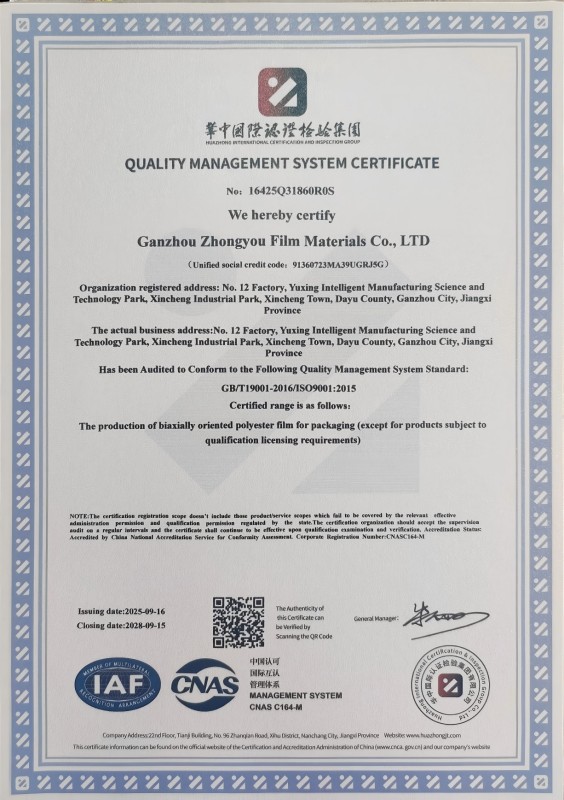
All manufacturing lines operate under ISO 9001 and ISO 14001 certification frameworks, ensuring our materials meet strict performance and environmental requirements.
As environmental requirements tighten, the future development of decorative surfaces points toward sustainable chemistry. Our R&D team is focusing on integrating bio-based co-polyesters derived from renewable agricultural sources. We aim to replace petroleum-based materials without compromising the durability, impact resistance, and processing characteristics of our 300-micron sheets.
Additionally, the use of excimer curing lines under nitrogen environments allows us to produce super-matte surfaces without the need for traditional matting agents. This technique enhances both the scratch resistance and cleaning properties of the film, helping to maintain its appearance over long-term use.
Get in touch with our engineering team to request sample rolls, technical datasheets, or custom color matching for your product lines.