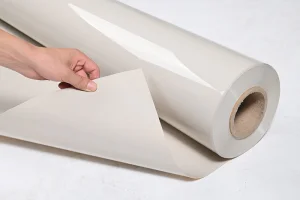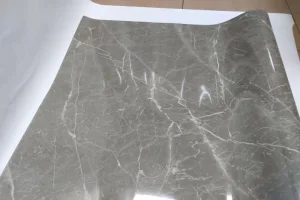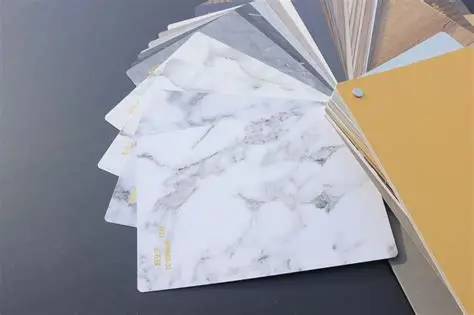
Engineered for high-volume lamination, PUR flat pasting systems, and precision cabinet wrap manufacturing.
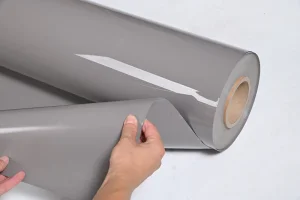
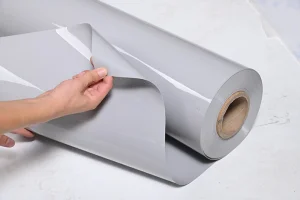
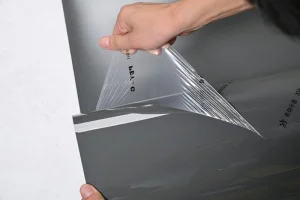
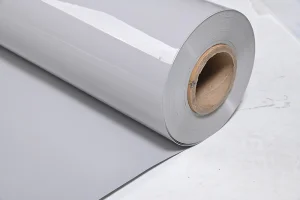
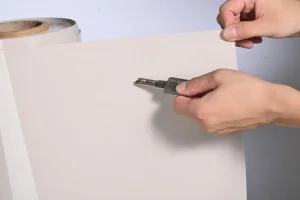
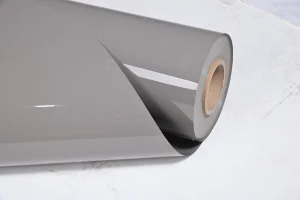
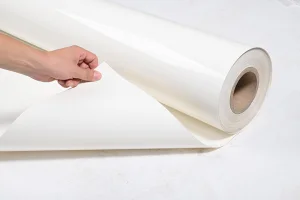
In modern industrial applications, material thickness tolerance and surface properties dictate the structural viability of finished consumer products. The 0.2 mm PET (Polyethylene Terephthalate) sheet represents a critical calibration parameter. Thin enough to support high-speed rolling and structural flexibility, yet dense enough to offer tensile yield strengths exceeding 50 MPa, this gauge is widely utilized across electronics packaging, heavy-duty cabinet lamination, medical thermoforming, and advanced composites.
In international procurement landscapes, sourcing managers prioritize the molecular composition of the sheet. Whether opting for standard amorphous APET, modified PETG (Glycol-modified), or co-extruded GAG (PETG/APET/PETG structures), the selection directly impacts thermal performance, optical clarity, chemical resistance, and ease of conversion.
For applications requiring flat lamination on PUR (Polyurethane Reactive) adhesive lines, understanding the raw materials' structural behavior is essential:
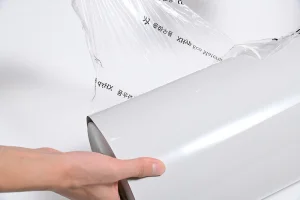
"Ganzhou Zhongyou Film Material Co., Ltd. utilizes integrated extrusion and precision coating systems to deliver 0.2 mm PET-based films that feature scratch resistance ratings from 2H to 4H and optimal dimensional stability under high temperature processing."
China-based manufacturing facilities dominate the global distribution of 0.2 mm PET sheets. This leadership stems from robust local petrochemical supply chains and continuous investment in extrusion technology.
Advanced factories, such as Ganzhou Zhongyou, operate cleanroom environments that meet Class 100,000 dust-free standards. This level of environmental control prevents microscopic particle contamination down to ≤0.5 micrometers. In optical and decorative surface coating applications, even minor dust inclusions can lead to surface defects, lamination failures, or visual inconsistencies on modern high-gloss panels.
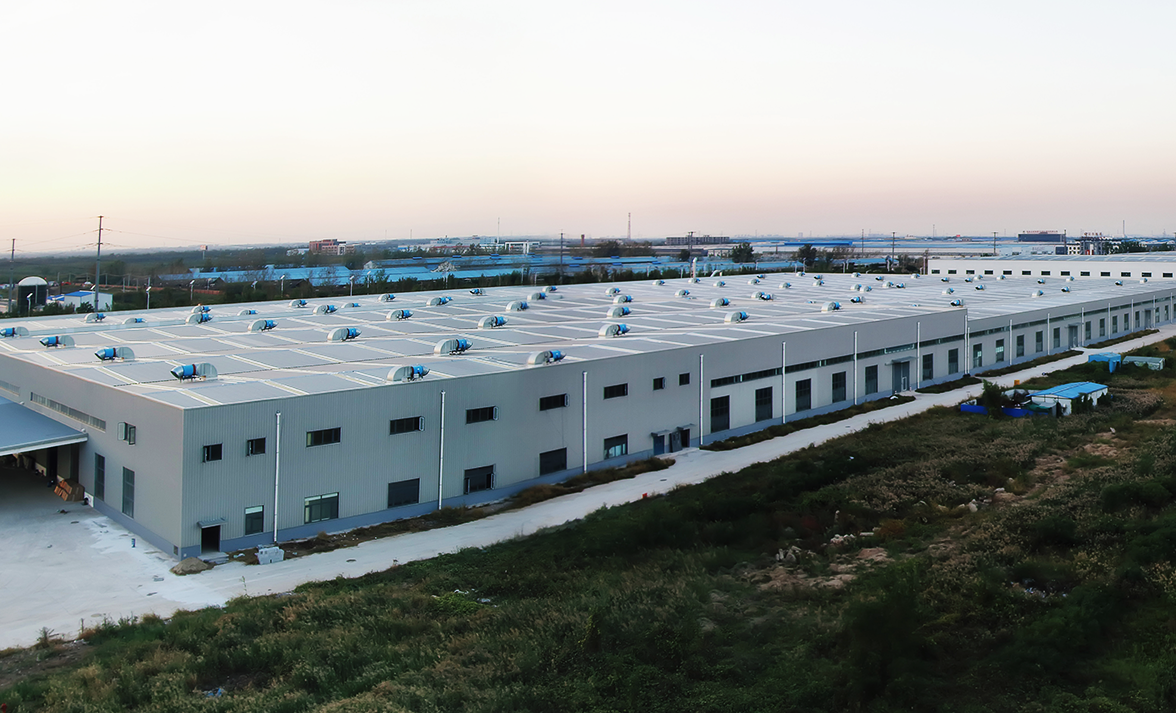
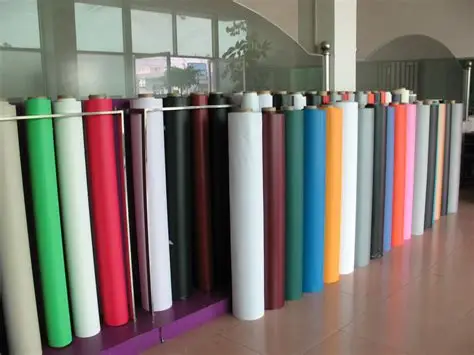
Delivering high-capacity, high-precision industrial film rolls to global markets from our automated facility.
Managing thickness variation across massive production runs is a key indicator of factory precision. Standard extrusion methods often exhibit gauge variations of up to ±10%. However, modern production lines equipped with automatic closed-loop die controls adjust lip gaps in real-time, narrowing thickness tolerance deviations to less than ±3%. This precision ensures that during secondary operations like high-speed PUR roll lamination, adhesive application remains consistent, avoiding bubbling, orange-peel textures, and edge lift.
How global enterprises integrate 0.2 mm PET/PETG films into automated production workflows.
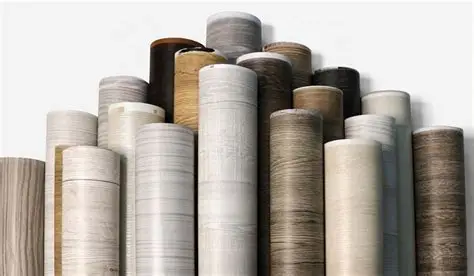
Applied to MDF, HDF, and particle boards using PUR adhesive systems. Provides scratch-resistant, anti-fingerprint, and soft-touch matte finishes for high-end cabinetry and doors.
Integrated during the co-lamination of interior composite wall systems. Enhances water repellency, chemically isolates base materials, and maintains surface integrity in high-traffic zones.
Used to form clear, high-durability blisters and clamshell packaging for electronics, medical supplies, and consumer goods. Offers excellent clarity, drop-test performance, and shatter resistance.
During the bonding of 0.2 mm PETG films to structural boards via PUR flat pasting machines, chemical adhesion is highly dependent on the film's surface energy. Untreated PET film typically exhibits a surface energy of approximately 34-36 dyne/cm, which is insufficient for strong bonding. Factories resolve this by utilizing inline corona treatment systems, raising the surface energy level above 38 dyne/cm. This treatment modifies the surface molecules to form chemical bonds with reactive polyurethane adhesives, preventing delamination over long-term product lifecycles.
Addressing compliance, environmental standards, and consistency requirements for cross-border industrial procurement.
Global procurement divisions require strict compliance with international testing frameworks. Large-scale furniture, packaging, and automotive OEMs specify materials that align with REACH (Registration, Evaluation, Authorization and Restriction of Chemicals) and RoHS (Restriction of Hazardous Substances) directives. Ensuring that plasticizers, heavy metals, and volatile organic compounds (VOCs) are absent or within approved limits is critical for materials used in residential interiors and consumer packaging.
Furthermore, ISO 9001:2015 certified quality systems form the basis of trace-ability in raw materials. Sourcing managers require detailed Certificates of Analysis (COAs) for every batch, detailing key metrics:
Providing direct answers to technical and procurement inquiries regarding 0.2 mm PET/PETG sheets.
Explore our core selection of high-durability, scratch-resistant, and high-gloss 0.2 mm functional films.
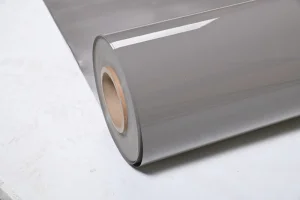
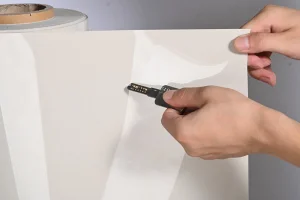
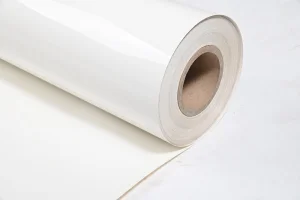


Established in 2017 with foundations tracing back to 2005, Ganzhou Zhongyou Film Material Co., Ltd. is a recognized manufacturer in the coating and surface treatment industries. We specialize in the research, development, and large-scale manufacturing of high-performance functional films.
Operating from a 60,000 square meter facility equipped with extrusion, precision coating, multi-layer laminating, and slitting lines, we supply functional films designed to meet the strict quality standards of the global market.
By managing the entire production process from raw material formulation to final slitting, we ensure consistent physical properties, surface tension, and gauge accuracy across our product lines.
Explore recent updates regarding thin-film technology, lamination machinery compatibility, and material formulations.
Connect with our technical engineering division to request custom sample swatches, verify surface energy specifications, or schedule a facility tour.