
The Tokyo Architectural & High-End Custom Furniture Landscape
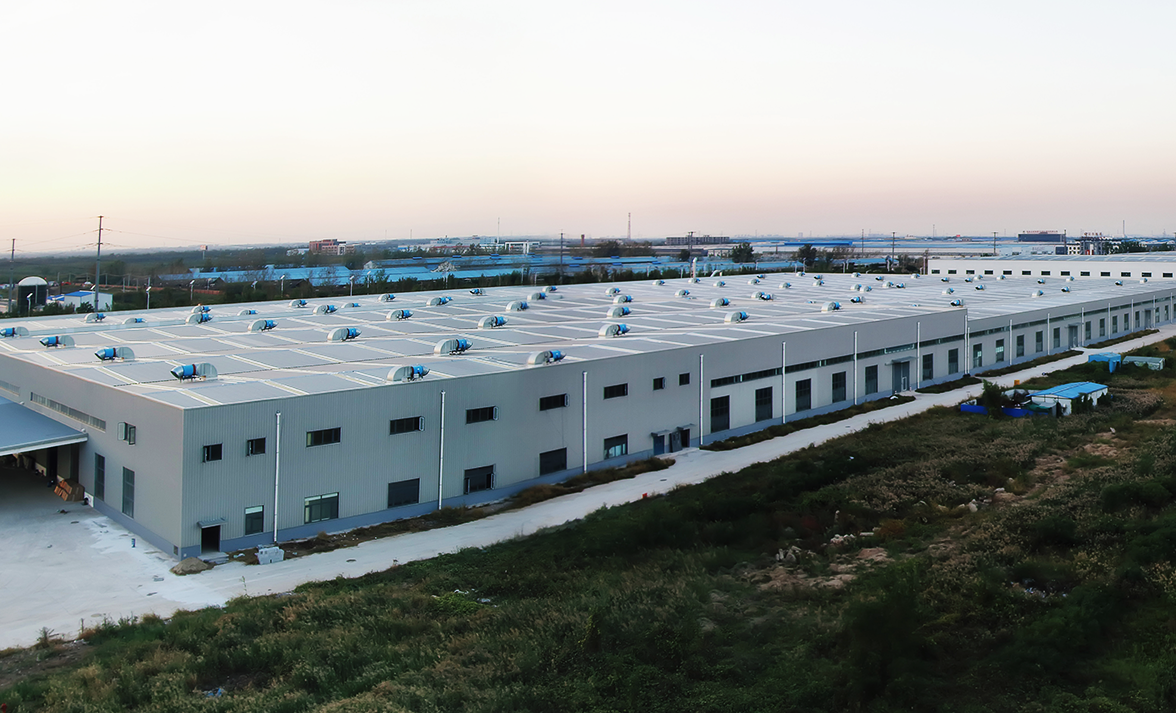
The metropolitan area of Tokyo stands as a global hub for design excellence, modern architectural minimalism, and advanced manufacturing. As urban development projects proceed across core commercial districts such as Minato, Shibuya, and Chiyoda, design specifications continue to trend toward clean textures, matte surfaces, and raw industrial aesthetics. Traditional raw metals, while highly valued, bring substantial manufacturing challenges, high weight profiles, and susceptibility to fingerprint oils and environmental tarnishing.
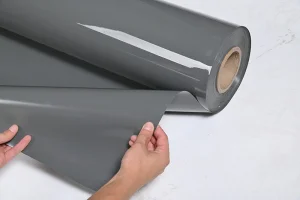
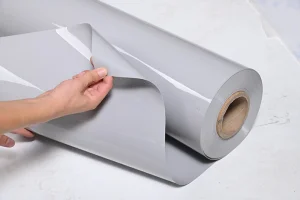
This landscape has driven the demand for high-performance surface solutions, where Metal Brushed Skin-Feel Films offer the exact visual and tactile response required for luxury residential interiors, modular office setups, and retail displays. The Tokyo market demands materials that conform to stringent Japanese construction codes, including safety standards and low-emission ratings, while maintaining structural performance under high traffic.
Tokyo Market Intent Discovery
Global procurement managers and commercial joiners in Kanto and Kansai seek surface options that combine the visual depth of brushed aluminum or titanium with a warm, fingerprint-resistant, non-reflective matte touch. Success in this segment requires a deep understanding of polymer chemistry, precise lamination processes, and local compliance certification.
Physical Chemistry and Manufacturing Process of Skin-Feel Matte Films
Achieving a true "skin-feel" surface requires engineering the micro-roughness of the outer polymer layer. Using advanced **Excimer Curing Technology**, the coating is exposed to short-wavelength ultraviolet radiation (typically 172 nm) under an inert nitrogen atmosphere. This exposure causes the surface layer of the wet lacquer to undergo micro-wrinkling due to polymerization shrinkage, forming a microscopic structure before the core layer is fully cured by a subsequent UV source.
Excimer Micro-Wrinkling
Controls surface reflection, achieving ultra-low gloss levels below 1.5 to 2 Gloss Units (GU) at a 60° angle.
Oleophobic Matrix
The cross-linked polymer matrix prevents lipids from spreading, neutralizing fingerprint traces and oils.
Polymer Core Layers
Optimized co-extrusion of GAG, PETG, or scratch-resistant PET core structures for long-term stability.
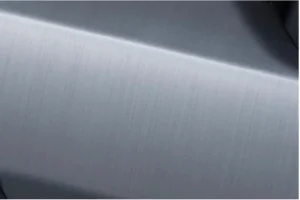
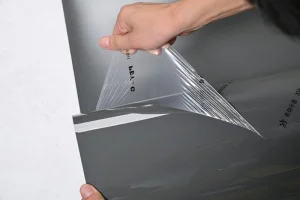
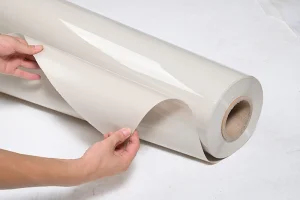
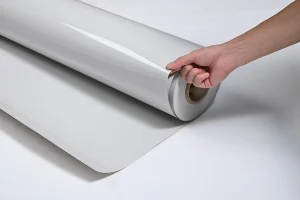
This micro-wrinkled surface scatters incident light in all directions, creating an extremely soft visual appearance. When paired with a **Metal Brushed** base layer—which uses precision gravure printing or vacuum-metallization patterns—the film delivers the authentic appearance of brushed stainless steel or titanium, combined with a warm, velvety touch.
Global Procurement & Technical Specifications: Comparative Matrix
To guide architectural specifications and engineering purchases, we compare the physical properties of our key surface materials under standard testing protocols:
| Technical Parameter | PETG Decorative Film | GAG Composite Film | Premium PVC Film |
|---|---|---|---|
| Gloss Level (60° Angle) | < 1.8 GU (Ultra-Matte) | < 2.0 GU (Ultra-Matte) | 3.0 - 5.0 GU (Satin Matte) |
| Scratch Resistance (ASTM D3363) | ≥ 3H - 4H Pencil Hardness | ≥ 3H Pencil Hardness | ≥ H - 2H Pencil Hardness |
| Adhesive System Compatibility | PUR Hot-Melt / Solvent-free | PUR Hot-Melt / Water-based | Solvent / Water-based / PUR |
| Recyclability & Eco-compliance | 100% Recyclable Polyester | Fully Recyclable (PET/G/PET) | Incineration concerns (Halogens) |
Macro-Industry Solutions: Integrating Film and Flat-Panel Lamination
For large-scale furniture and wall-panel production, the compatibility between the decorative film and the lamination machinery is critical. Using polyurethane reactive (PUR) hot-melt adhesive systems provides several key advantages:
- Thermal Resistance: PUR adhesive undergoes a chemical cross-linking reaction with moisture, forming a bond that withstands temperatures up to 120°C, ensuring stability in warm environments.
- Minimum Telegraphing: The clean, thin application of PUR (typically 40 to 60 g/m²) prevents adhesive ridges or "telegraphing" through the ultra-thin, matte brushed skin-feel films, ensuring a flat finish.
- Moisture Barrier: The cured PUR adhesive layer prevents moisture ingress, reducing edge-swelling on substrates like MDF, HDF, or high-end particleboard.
Technical Roadmap & Future Outlook (2026-2030)
Our current research and development focus points toward three main goals:
- Bio-Based Formulations: Transitioning our PETG chemical bases from petroleum-derived monomers to bio-based glycols, targeting a carbon footprint reduction of up to 40% without compromising mechanical or aesthetic performance.
- Advanced Self-Healing Nanocoatings: Integrating micro-capsule heat-activated repair technology into the skin-feel topcoat, allowing light surface micro-scratches to close under moderate heat application.
- Enhanced Flame Retardancy: Developing halogen-free, flame-retardant PETG films that satisfy strict international building safety standards, making them suitable for high-density public transport nodes and high-rise commercial structures.
Localized Support & Compliance in the Kanto & Tokyo Prefecture
Building products used in metropolitan Tokyo must adhere to strict regulatory standards. Our materials are developed and tested to align with these requirements, including:
- JIS A 5759 Standard: High durability and adhesion testing to ensure films do not delaminate under thermal cycling or high humidity.
- Japanese Formaldehyde Emissions: Designed to support F★★★★ (F-Star) certified wood panel lamination, ensuring low VOC levels for indoor air quality.
- Regional Logistics Support: We work with local logistics partners to coordinate deliveries directly to fabricators in Tokyo, Saitama, Chiba, and Kanagawa.