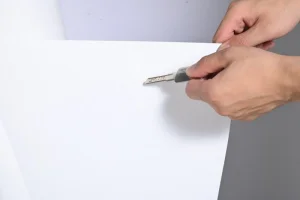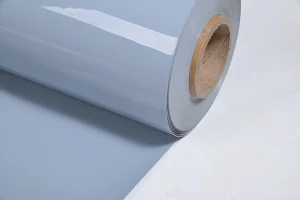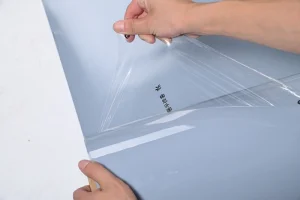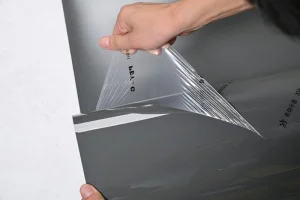
Engineered for high-efficiency PUR flat lamination machines, whole-house customization, and protective surface overlays.
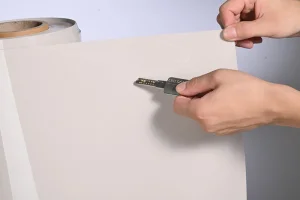
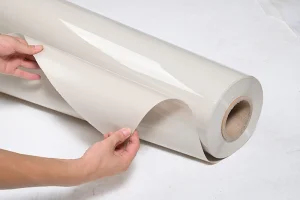
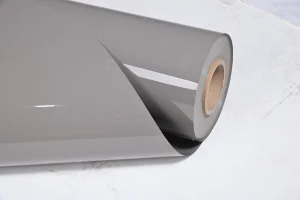
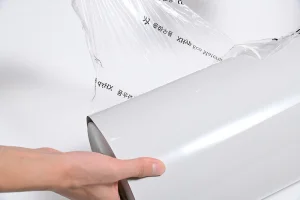
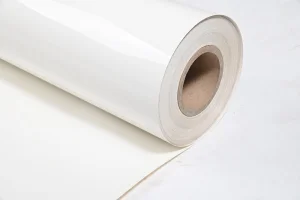
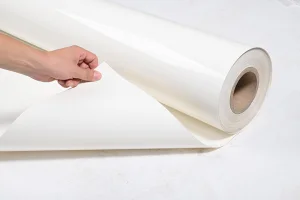
Within high-end interior architecture and product design, the industrial term "White See Through Plastic" refers to translucent polymeric films—primarily engineered from Modified Polyethylene Terephthalate Glycol (PETG), GAG (a co-extruded three-layer structure of PETG-APET-PETG), and high-density, low-migration Polyvinyl Chloride (PVC).
These specialized plastics strike a precise optical balance: they allow diffused light transmission (ranging from 30% to 75% depending on formulation) while completely masking underlying structural defects, particleboard textures, or internal wiring elements. This unique combination makes them highly desirable for illuminated cabinetry, backlit wall paneling, retail fixtures, and modern minimalist furniture dividers.
Our OEM manufacturing lines optimize the molecular arrangement during thin-film extrusion to deliver a product characterized by zero fish-eyes, uniform tensile strength, and superior compatibility with polyurethane reactive (PUR) adhesives.

Explore the physical profiles and formulation standards that define high-performance translucent plastic films.
Modified with cyclohexane dimethanol (CHDM), our PETG prevents crystallization under heat, ensuring high transparency, excellent impact resistance, and a wide thermoforming window without whitening.
A sophisticated APET core layer sandwiched between two PETG outer layers. It offers the structural rigidity of APET alongside the low-temperature heat-sealing strength of PETG, significantly reducing material costs.
Our OEM formulas include benzotriazole-based UV absorbers. This prevents polymer photodegradation, maintaining consistent light transmittance and color profiles even when exposed to direct sunlight.
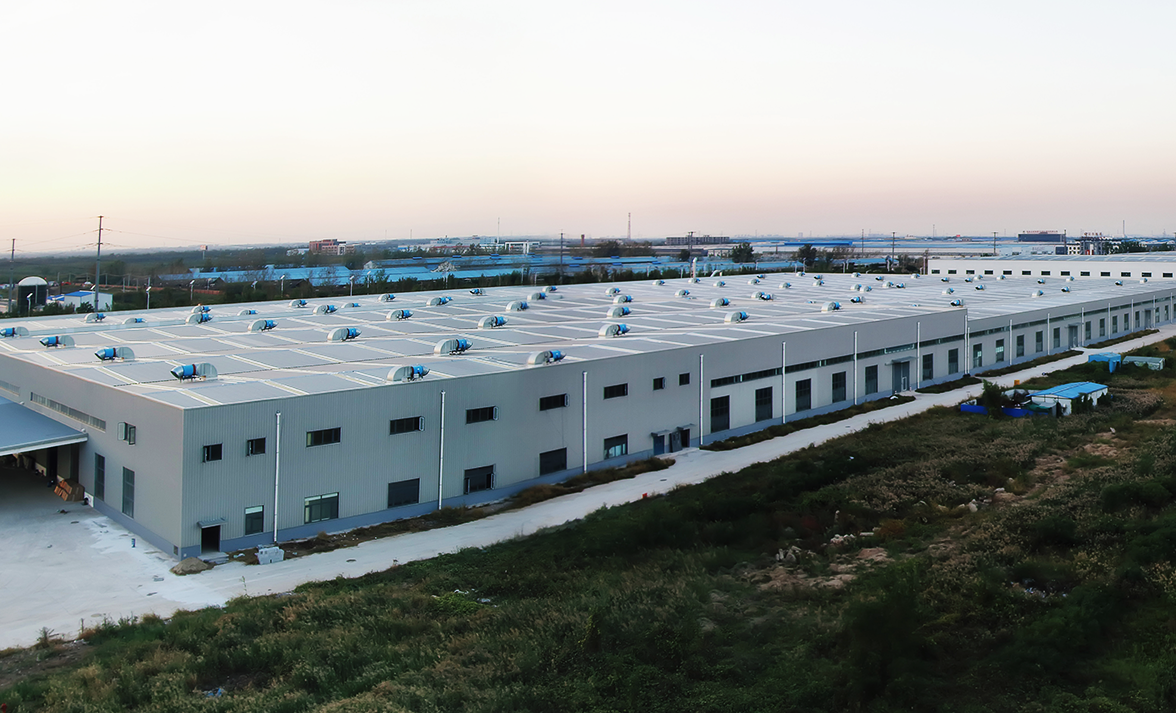
Established in 2017 and building on more than 20 years of precision coating and polymer surface engineering, Ganzhou Zhongyou Film Material Co., Ltd. is an industry-recognized leader in functional PET, PETG, and GAG decorative films.
Our state-of-the-art facility features high-speed co-extrusion systems, cleanroom-grade precision coating chambers, multi-layer laminators, and computerized slitting machines. This fully integrated production flow guarantees chemical stability, consistent thickness profiles (within ±0.01mm tolerances), and reliable bonding properties for industrial users.
In today's volatile global market, procurement managers demand more than just competitive pricing. They require guaranteed supply continuity, rapid customization turnarounds, and compliance with strict environmental standards.
Our Ganzhou factory uses Smart Industry 4.0 workflows, linking real-time raw material inventory with automated polymer feed lines. This integration allows us to optimize yield and scale production quickly to match market demand.
1. Zero-Defect Inspection: Every roll of film passes through an inline optical inspection system that flags surface bubbles, inclusions, or pinholes down to 0.1mm, ensuring consistent quality for high-speed automated laminators.
2. Material Optimization: Utilizing high-accuracy GAG co-extrusion technology, we reduce dependence on premium virgin resins while improving the final product's impact resistance and surface gloss.
3. Carbon Footprint Reduction: Our production lines incorporate thermal recovery systems, reclaiming extruder heat to pre-heat raw materials. This reduces energy consumption by up to 18% compared to traditional casting lines.
Our white translucent and see-through film surfaces are engineered to meet demanding commercial wear standards:
Explore how modern designers incorporate white translucent and decorative films into residential and commercial spaces.


Key business factors for commercial buyers and distributors sourcing high-performance polymer films.
We tailor optical transmittance (30%-80%), haze percentage, film thickness (0.1mm - 0.6mm), roll width, and surface textures to meet specific customer requirements.
Our films are optimized for high-speed roll-to-roll flat lamination systems using PUR adhesive, vacuum membrane presses, and traditional solvent-based acrylic line configurations.
We source raw resins tested for low heavy metal content and low VOC emissions, ensuring compliance with global environmental standards.
Answers to common technical questions from procurement managers, product developers, and plant engineers.
Engineered for high-volume lamination, wall panels, and premium furniture finishes.
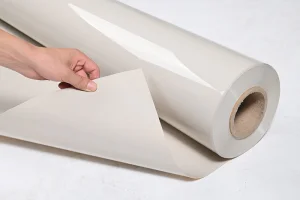
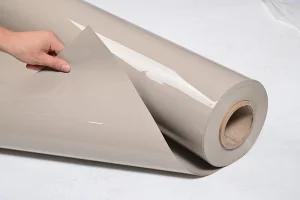
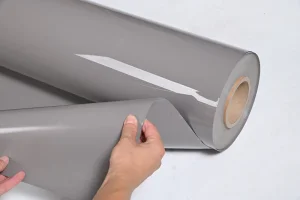
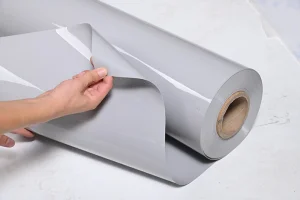
Request material samples, customized light transmittance testing reports, or standard factory quotes. Our engineering team is ready to assist you.