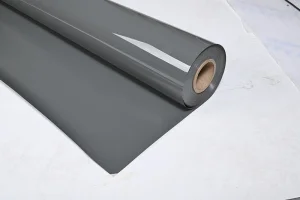
ODM Decorative Wood Furniture Manufacturer & Exporter

High-Performance Eco-Friendly Materials, Engineering Surface Innovation, and Industrial Supply Sourcing Guide

Executive Whitepaper: Strategic Surface Engineering for ODM Wood Furniture

Evaluating Material Lifespans, Environmental Directives, and Chinese Manufacturing Efficiencies

The global furniture manufacturing landscape is undergoing a structural transition. Commercial, industrial, and residential developers are moving away from traditional wet paint, lacquer, and low-pressure melamine due to stringent international environmental regulations. As an established pioneer in coating and lamination technology, Ganzhou Zhongyou Film Material Co., Ltd. (operating with industrial roots since 2005 and incorporated in 2017) serves as the anchor point of engineering innovation for original design manufacturers (ODMs) and worldwide furniture exporters.

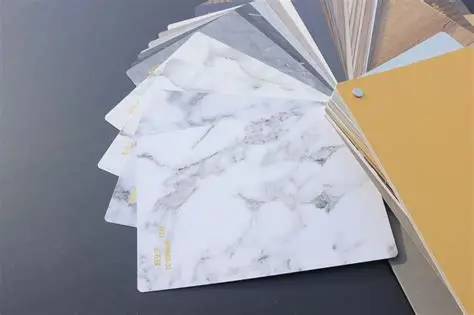
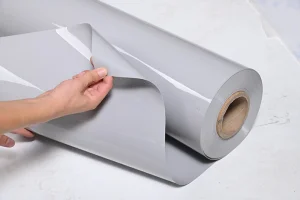
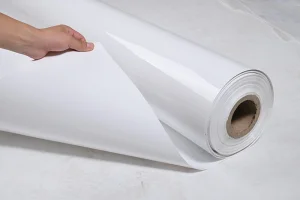
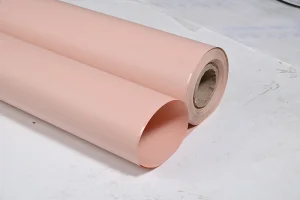
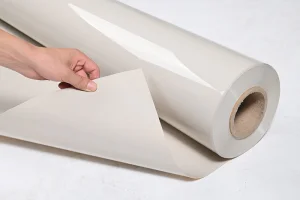
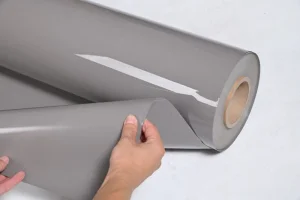
Key Strategic Value: ODM Decorative Wood Furniture Manufacturers depend heavily on the thermal stability, color consistency, and structural integrity of exterior surface films to construct premium board products. Advanced polymers such as PET, PETG, GAG, and PVC films form the critical outer shield that ensures wood materials achieve long lifetimes, high durability, and distinct aesthetic finishes.

Understanding Modern Furniture Polymers: PETG, PET, GAG, and PVC

Material selection determines the marketability, structural durability, and overall compliance of decorative panels. Global procurement professionals must prioritize the mechanical and physical properties of the following decorative films:

  • PETG (Polyethylene Terephthalate Glycol): Renowned for its extreme mechanical flexibility, impact resistance, and zero-gas emissions. PETG does not embrittle or whiten when subjected to edge-banding or post-forming. It provides a crystal-clear gloss or high-fidelity matte texture that mimics continuous wood veneer.
  • PET (Polyethylene Terephthalate): Possesses high structural tensile strength, thermal resistance, and exceptional chemical barrier properties. It is highly resistant to scratching, making it optimal for heavy-use environments such as kitchen counter faces and high-traffic office desks.
  • GAG (PETG-APET-PETG Tri-Layer Film): Co-extruded structural film combining the toughness of APET with the smooth thermal processing characteristics of PETG. GAG provides cost-effective thickness while maintaining an eco-friendly profile.
  • PVC (Polyvinyl Chloride): The classical choice for budget-conscious interior laminates. It features outstanding flame retardancy, low moisture permeability, and is highly receptive to micro-texture printing processes.

Zhongyou Factory Manufacturing Capabilities

Located in Ganzhou, Jiangxi, our processing facility is designed to meet the rigorous schedules of tier-1 global brands. Operating on advanced multi-layer co-extrusion technology, cleanroom coating lines, and computerized slitting machines, we handle large volume requirements smoothly while ensuring strict dimensional tolerances.

60,000 m²
Factory Area
300+
Skilled Workers
300 Units
Advanced Equipment
Class 100k
Dust-free Workshop
20+ Yrs
Coating Industry Roots

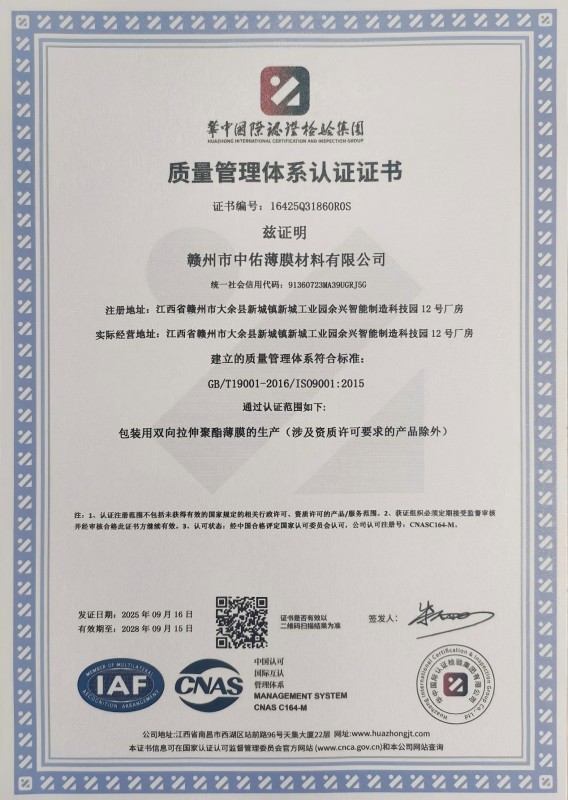
Certified Production Excellence

State-of-the-art facilities and quality certifications backing global supply chains.
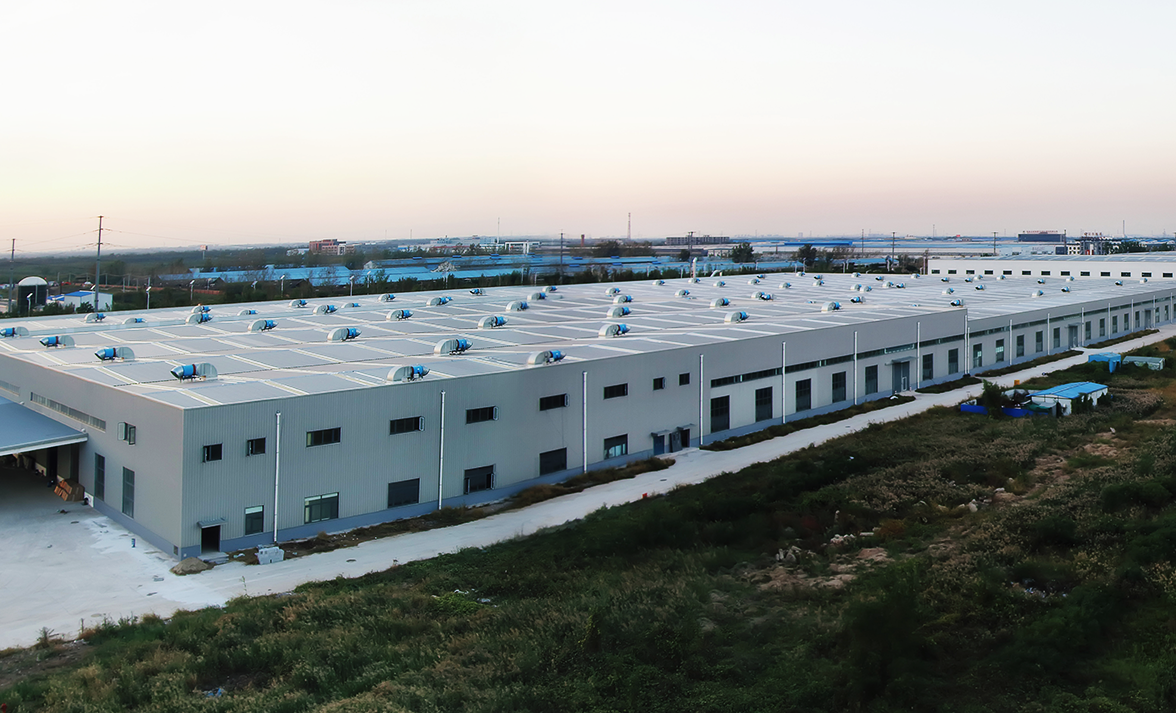
Zhongyou Production Line

Precision Lamination Coaters

Ensuring dry thickness uniformity within ±1 micron across continuous web lengths.

Zhongyou Factory Warehouse

High-Capacity Logistics Base

Streamlined distribution pathways directly linking central China manufacturing hubs to international container ports.
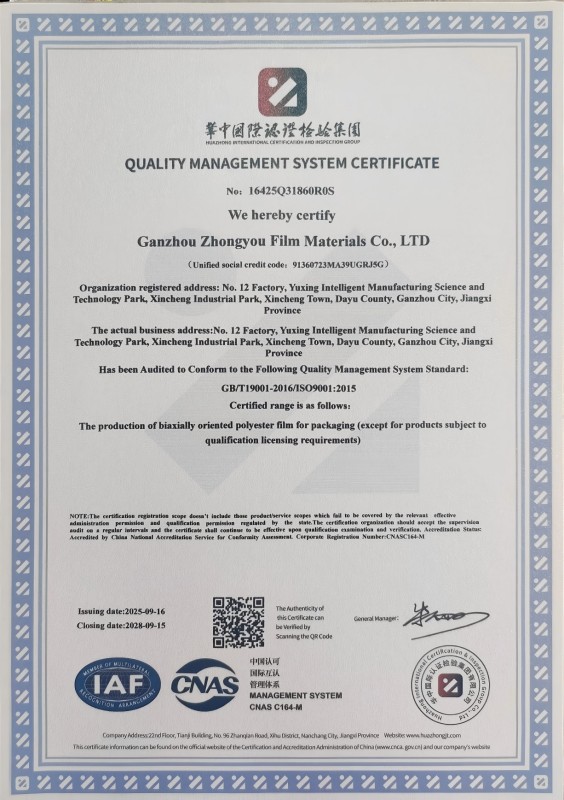
Zhongyou Certificate 1
Zhongyou Certificate 2

China Factory Supply Chain Advantages & Cost Structuring

Securing high-grade PETG and GAG films directly from a specialized factory in China provides significant competitive advantages to ODM decorative wood furniture manufacturers and exporters:

  • Raw Material Control: Direct partnerships with domestic polymer producers shield buyers from sudden petrochemical price fluctuations.
  • Continuous Processing: Co-extrusion, surface coating, slitting, and printing are consolidated in a single facility. This reduces middle-tier costs and guarantees batch-to-batch consistency.
  • Advanced Tooling & Optimization: Ongoing upgrades in high-speed, high-resolution rotary printers allow for detailed, realistic wood grains and patterns, reducing cost-of-quality.

Global Procurement Requirements & Compliance Standards

Modern global procurement requires compliance with complex regional regulatory systems. Sourcing decorative surface materials must align with these major standards:

  • REACH & RoHS Directives: Heavy metals (lead, cadmium, mercury) and restricted plasticizers (phthalates) must be eliminated. PETG and GAG films are highly suited here, offering a clean, eco-friendly alternative to PVC.
  • VOC (Volatile Organic Compounds) Limits: Finished interior panels must satisfy low-emission certifications, such as California Air Resources Board (CARB) Phase 2, EPA TSCA Title VI, or European E1/E0 standards. Non-reactive base films prevent secondary outgassing.
  • Fire Retardancy Standards: Commercial projects require class certification under EN 13501-1 or ASTM E84 Class A. Specialized PVC and additives can be integrated to meet these performance levels.

Future Industry Trends: The Smart Lamination Era

As the market shifts towards smart manufacturing and custom panel options, the decorative surface industry is adopting key production trends:

  • High-Speed PUR Compatibility: Polyurethane Reactive (PUR) hot-melt technology provides strong resistance to water and heat. Decorative films must be designed with optimized backside primers to ensure reliable adhesion on high-speed flat laminators.
  • Super-Matte & Anti-Fingerprint Textures: Exporters are increasingly requesting low-gloss finishes (under 5 gloss units) equipped with anti-fingerprint properties to meet current interior design preferences.
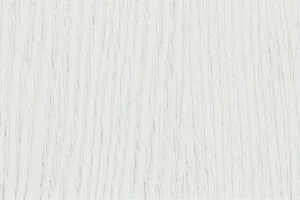
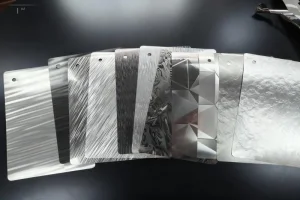
  • Direct-to-Film Digital Textures: Integrating 3D micro-embossing technology onto PETG bases creates surface textures that realistically mimic natural wood grains, stone surfaces, or textiles.

Target Interior Application Environments

Engineering customized surface materials for different functional zones in modern buildings.

Bedroom Application

Bedroom Applications

Providing quiet, low-reflection, scratch-resistant finishes for custom wardrobes and headboards.

Cloakroom Application

Cloakrooms & Closets

Durable laminates designed to resist scuffing, static buildup, and common household cleaning chemicals.

Kitchen Application

Kitchen Systems

Thermal-resistant and moisture-impermeable films that prevent panel warping near cooking zones.

Living Room Application

Living Room Furnishings

High-gloss and 3D textured wood-grain surfaces for feature walls and TV consoles.

Restaurant Application

Commercial Dining & Retail

Robust film coatings that handle high daily wear, food oil exposure, and frequent disinfection.

Expert Panel: Technical Q&A

Direct technical answers from Ganzhou Zhongyou's quality assurance engineering division.

Q1: Why is PETG preferred over PVC in premium furniture specifications?

PETG contains no plasticizers and is free of chlorine. Unlike PVC, which can emit hydrochloric acid gas under extreme thermal degradation, PETG is inert, non-toxic, and does not yellow. Its excellent tensile yield strength also prevents edge-band fracturing on complex panel shapes.

Q2: What is the optimal machine setup for laminating PETG films onto MDF or Particleboard?

For high-quality results, we recommend using Polyurethane Reactive (PUR) hot-melt adhesives on a continuous roller-type lamination system. Application temperatures should be maintained between 130°C and 150°C, depending on board density, with line pressures set to 4-6 bar to ensure a flat, bubble-free bond.

Q3: How does Zhongyou ensure batch-to-batch color and gloss consistency?

We use inline spectrophotometers and digital colorimeters during the extrusion and printing processes. This allows us to maintain Delta E color variation below 0.8 and gloss tolerance within ±1.5 units, ensuring reliable consistency across large-volume production runs.

Q4: How do GAG films balance performance and cost?

GAG is a multi-layer co-extruded film with an APET core and PETG outer skins. This structural configuration combines the scratch resistance and cost efficiency of APET with the excellent adhesion and post-forming capabilities of PETG, making it a highly practical alternative to full PETG films.

Q5: Can these films be recycled alongside the wood core at the end of the product life cycle?

Yes. Pure PETG and PET materials do not contaminate wood-recycling systems. They can be cleanly separated through standard shredding and density-separation processes, helping brands meet their circular economy objectives.

Technical Case Studies & Industrial Solutions

Reviewing our latest application reports, material tests, and process optimizations.
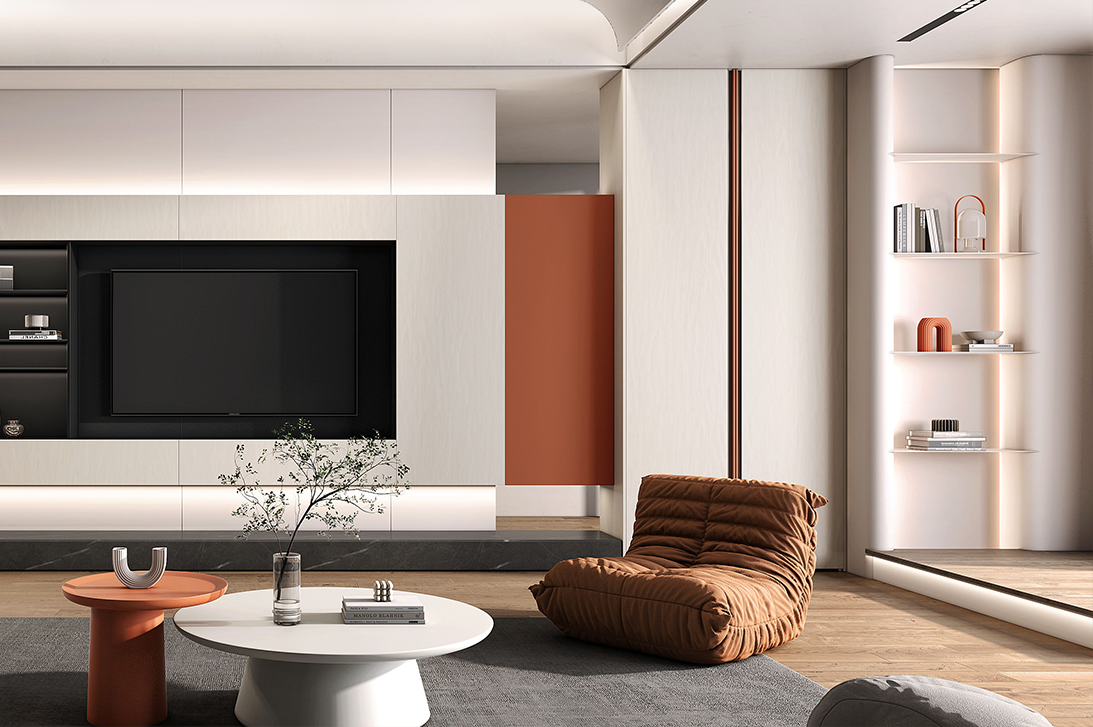
Zhongyou Solutions Display 1

One-Stop Surface Customization Solutions

We provide comprehensive surface decoration packages for custom furniture manufacturers, including PETG decorative films that offer high durability and reliable environmental compliance.
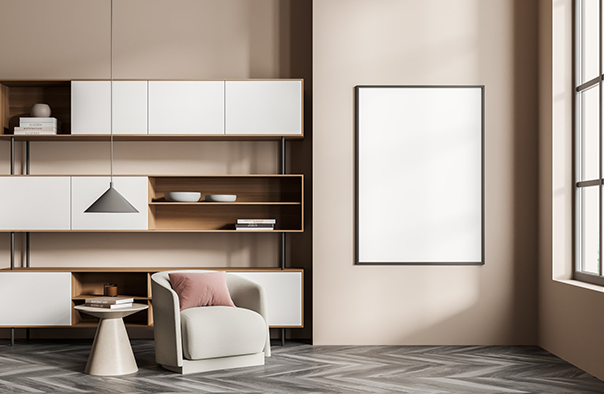
Zhongyou Solutions Display 2

Advanced Technical Support Integration

Collaborating directly with mechanical engineering teams to optimize temperature, pressure, and curing profiles on industrial lamination lines.
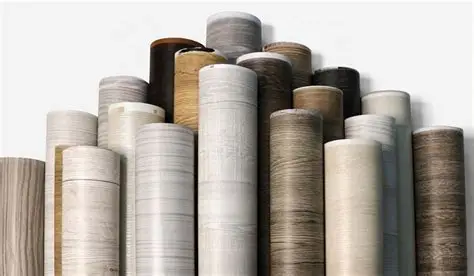
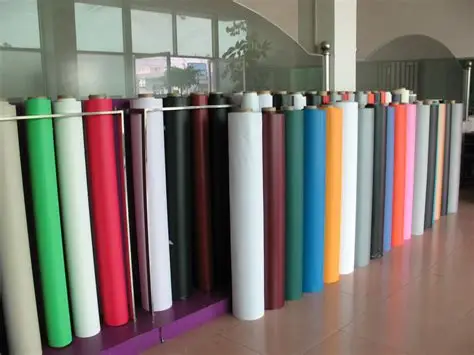
Latest Technical Publications

Contact Our Technical Sales Team

Get in touch to request physical material samples, discuss custom thickness and width parameters, or optimize parameters for your lamination lines.