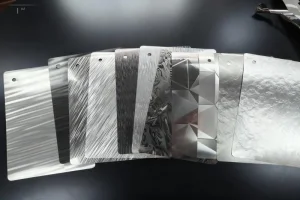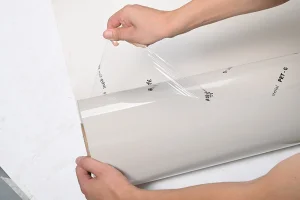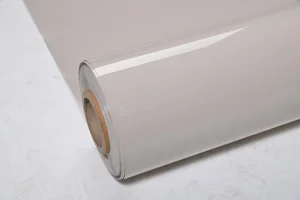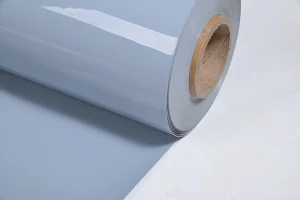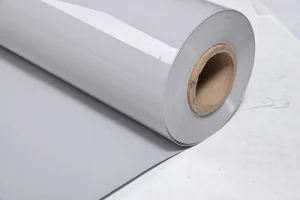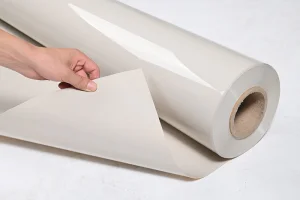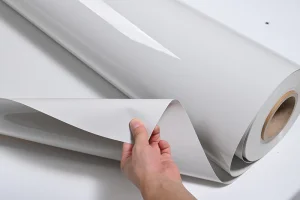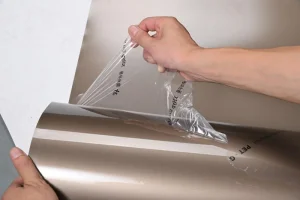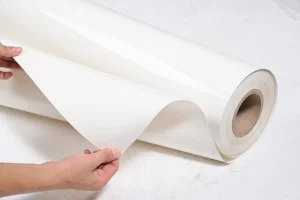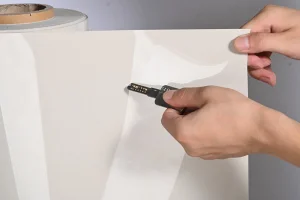
Engineered PETG, GAG, and PVC thermoplastic solutions configured for automated PUR flat lamination lines.
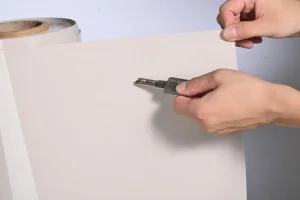
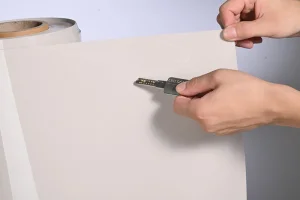

A technical assessment of the commercial shift toward high-performance decorative sheet panels.
In the contemporary global interior design and architectural materials market, traditional finishing surfaces such as high-pressure laminates (HPL) and melamine-faced boards (MFC) are increasingly giving way to engineered polymeric surfaces. The demand for highly durable, eco-friendly, and visually rich materials has propelled PETG (Polyethylene Terephthalate Glycol-modified) and GAG (a co-extruded structure containing a layer of APET sandwiched between two layers of PETG) to the forefront of industry specifications.
Architects, OEM furniture manufacturers, and commercial panel suppliers face mounting pressure to deliver surfaces that resist micro-scratches, exhibit high chemical resistance to harsh cleaning agents, and emit virtually zero volatile organic compounds (VOCs). PETG engineered films represent a paradigm shift: they possess the ease of processing inherent to standard polyesters, combined with superior toughness, thermal stability, and clarity that rivals cast acrylic, without the associated brittleness or environmental concerns of traditional PVC.
From an engineering standpoint, selecting the correct decorative film substrate determines the longevity of the final panel. The matrix below outlines key physical characteristics critical to supply chain managers and production engineers:
| Performance Metric | PETG (Glycol-Modified PET) | GAG Co-extruded Film | High-Grade PVC (Plasticized) |
|---|---|---|---|
| Environmental Profile | Eco-friendly, food-contact grade, fully recyclable, halogen-free | Recyclable core, reduced cost structure with virgin skin layers | Contains plasticizers and chlorine; restricted in green-building specifications |
| Micro-Scratch Resistance | Excellent; compatible with hard-coat polyurethane UV treatments | Very High; surface properties mirror pure PETG performance | Moderate; prone to marking and localized scuffing |
| PUR Lamination Adhesion | Superior; polar surface allows robust chemical cross-linking | Superior; optimal reaction with polyurethane reactive adhesives | Good; requires specific primers to prevent delamination over time |
| Optical Clarity / Color Depth | Haze value <1.0%; deep-gloss and super-matte finishes are flawless | Excellent balance of cost and visual consistency | Prone to orange-peel effect at high thicknesses |
| Yellowing Resistance (UV) | Highly stable; integrated UV inhibitors block degradation | Stable; outdoor formulations available | Prone to degradation and discoloration under direct exposure |
Furthermore, the physical behavior of these materials during PUR (Polyurethane Reactive) flat sticking is crucial. PUR adhesives require a stable, high-surface-energy substrate to initiate chemical cross-linking. Ganzhou Zhongyou Film Material Co., Ltd. incorporates advanced corona treatment on the bonding side of our PETG and GAG films, ensuring surface tension consistently exceeds 38-40 dynes/cm. This eliminates adhesive failure or edge lifting, even when subjected to extreme temperature fluctuations in custom kitchen or kitchen-cabinet configurations.
Established on a foundation of technical excellence, Ganzhou Zhongyou Film Material Co., Ltd. has developed into a top 10 specialized functional film manufacturer in China. With over two decades of coating and hardening industry experience, our production capabilities are engineered to meet the stringent demands of global OEM and ODM decorative panel suppliers.
Operating from our modern facility in Ganzhou, Jiangxi, we integrate the entire value chain: from formulation R&D and high-speed co-extrusion to precision multi-layer laminating, precision coating, and high-accuracy slitting. Our custom coating lines apply specialized anti-fingerprint (AF), anti-scratch, and super-matte finishes that elevate typical MDF, particleboard, and honeycomb core materials into luxury architectural elements.
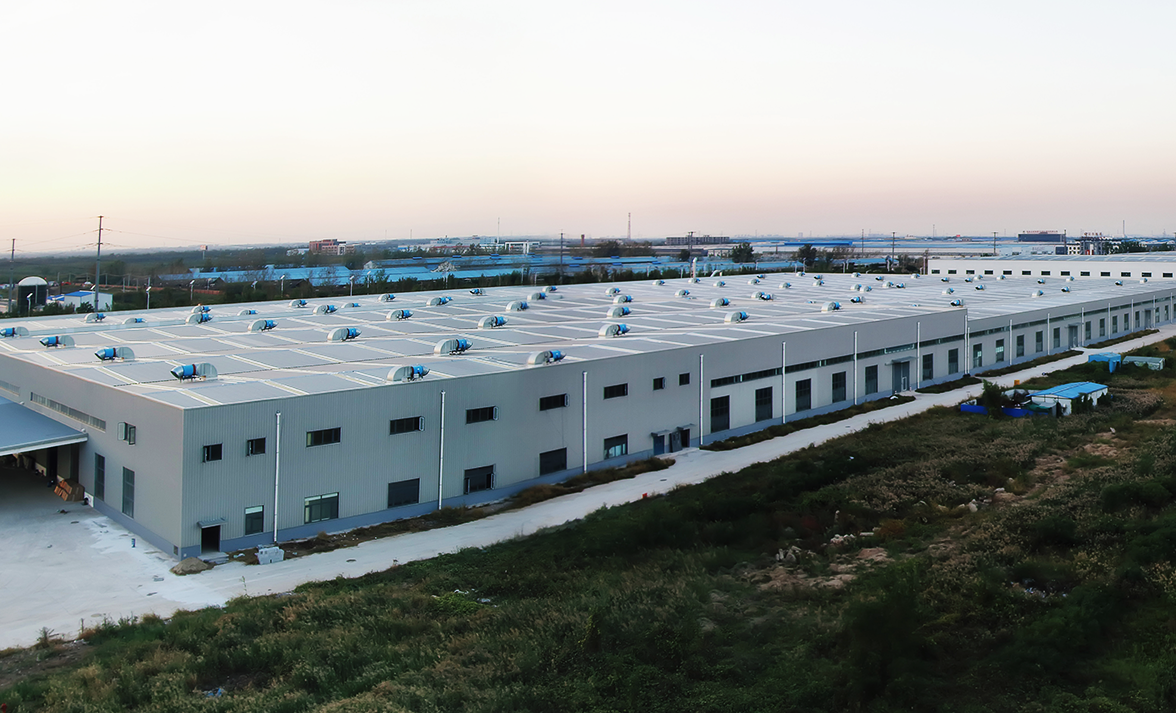

The operational and vertical integration advantages of Ganzhou Zhongyou Film Material Co., Ltd.
Located near global raw material supply chains, we source high-grade, virgin PETG and APET chips at competitive rates. This raw material stability translates directly into lower manufacturing costs and consistent batch-to-batch polymer performance.
Any speck of dust on decorative film can cause surface defects during PUR press cycles. Our Class 100,000 dust-free workshops house precision German extrusion and coating heads to ensure complete optical purity on high-gloss and super-matte surfaces.
Operating 300 manufacturing units, we scale up daily outputs rapidly. Whether processing custom-colored PETG, complex GAG co-extrusions, or PVC furniture foils, our lean manufacturing protocols allow order deliveries within 10–15 days.
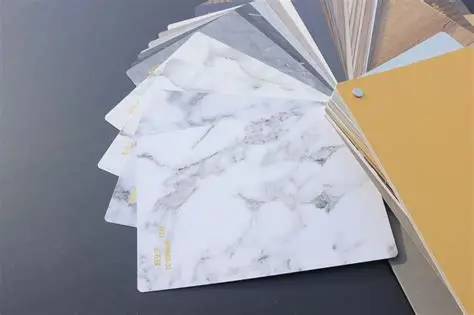
Where high-performance polymeric film sheets transform standard panels into premium design features.


Our materials are selected for premium design applications:
Insights into technological shifts and eco-friendly standards driving the decorative film market.
The industry is transitioning away from high-gloss surfaces to super-matte and soft-touch textures. This is achieved through advanced excimer curing processing. When PETG films are subjected to short-wavelength UV radiation under nitrogen gas, the surface layer shrinks, creating micro-folds. This results in gloss levels below 1-3% at 60 degrees, while enhancing touch feel and fingerprint resistance.
Environmental standards are encouraging global procurement leads to specify recycled materials. Our engineers are designing co-extruded GAG and PETG materials using up to 50% post-consumer recycled PET in the core layers, without sacrificing surface finish quality. This matches the environmental requirements of certifications like LEED and BREEAM.
Modern panel manufacturing relies on PUR flat sticking systems to achieve zero-joint lines. Combined with hot-air or laser edgebanders, PETG films allow furniture panels to appear as unified, continuous monoliths. This design is highly valued in modern architectural installations.
Key quality control steps for importing and lamination processing of PETG/GAG decorative films.
Ensure the bonding side has been corona treated to >38 dyne/cm. This step avoids delamination issues after panels are processed through PUR lamination lines.
Request thermal shrinkage tests (10 minutes at 80°C). Our advanced cooling and tensioning lines keep shrinkage below 1.5% to ensure flat panel alignment.
Ensure matte or gloss decorative films carry a real pencil hardness rating (usually 2H to 4H). This keeps panels free from transit and installation scuffing.
For educational or medical applications, check for zero-formaldehyde and low-VOC certifications. Our PETG lines are food-contact certified for clean room safety.
Strict quality control processes across our extrusion and lamination lines.
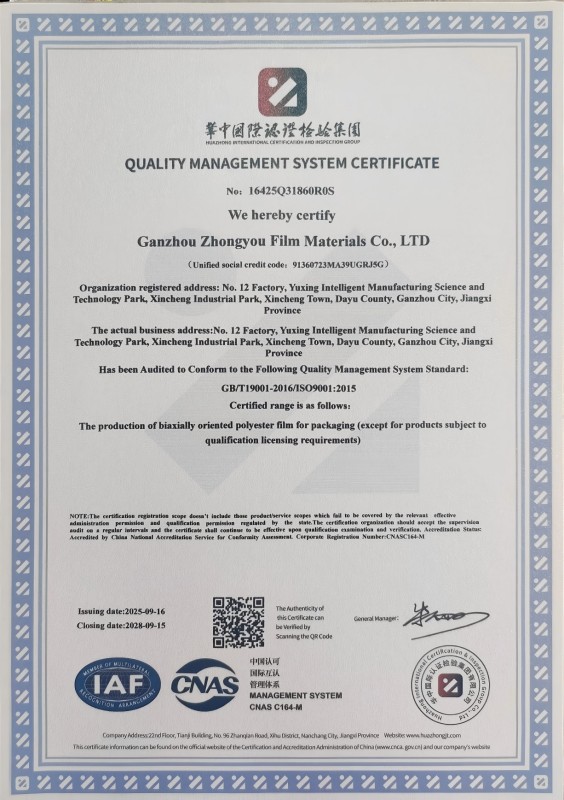
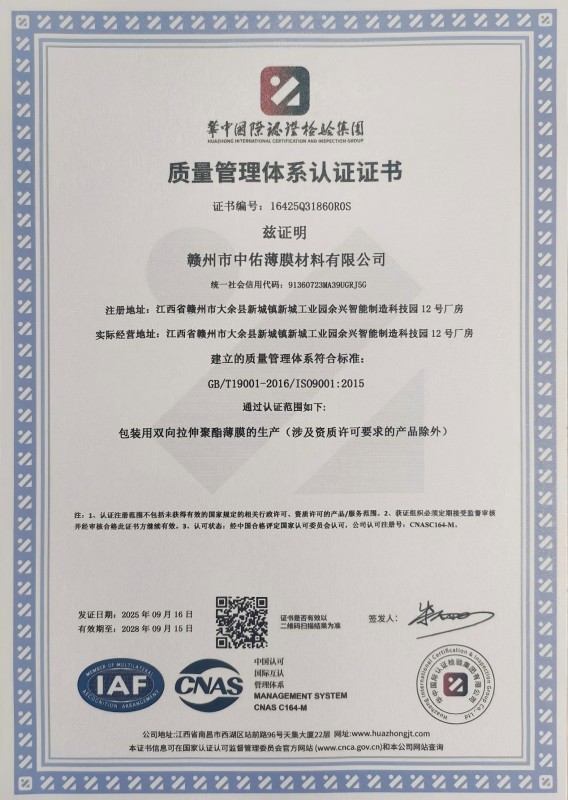
Our materials undergo strict testing protocols, including thermal aging, UV exposure testing, cross-cut adhesion tests, and chemical resistance evaluations.
EN 438 & ISO 9001 CompliantTechnical answers to support your engineering, design, and purchasing requirements.
Explore our complete catalog of industrial-grade functional films for furniture and architectural panels.
Stay informed on the latest trends, manufacturing updates, and design tips in polymeric panel surfaces.
Read our whitepapers and lamination guides to optimize raw material usage, adhesive choices, and machine speeds.
Request Technical Documents →Speak directly with our technical department to discuss custom designs, structural specifications, and container-load pricing.