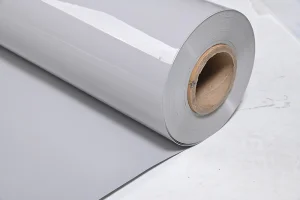
Pioneering the Next Generation of Surface Decoration: PET, PETG, GAG & PVC Films Engineered for PUR Flat-Lamination Systems
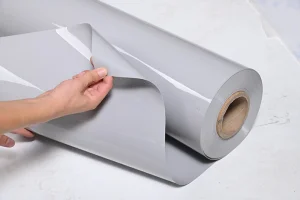
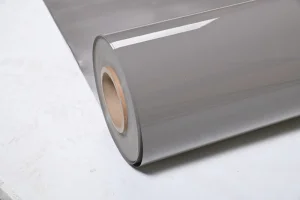
Explore our high-performance surface solutions optimized for PUR flat pasting machines

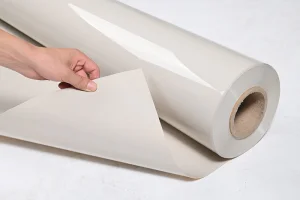
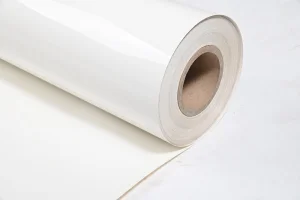
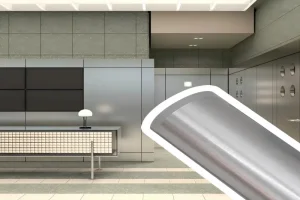
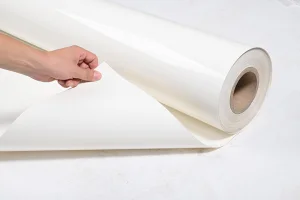
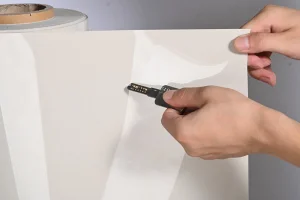

In the modern building material, furniture fabrication, and custom cabinetry landscapes, surface finish technology is no longer purely aesthetic. Today's global architecture requires decorative materials that boast superior durability, eco-friendliness, and pristine tactile quality. Global edge manufacturers and suppliers are moving away from traditional melamine and monomeric PVC coatings. The modern standard demands advanced polymer compounds, namely Polyethylene Terephthalate (PET), Polyethylene Terephthalate Glycol-modified (PETG), and GAG (a tri-layer co-extruded configuration of PETG-APET-PETG).
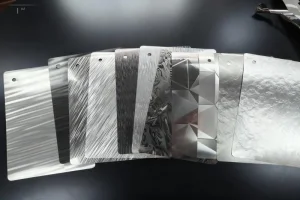
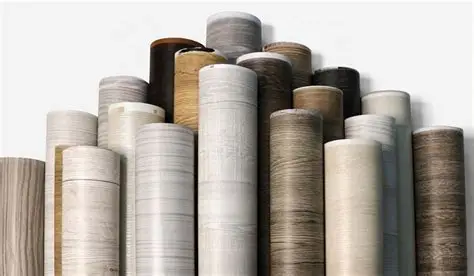
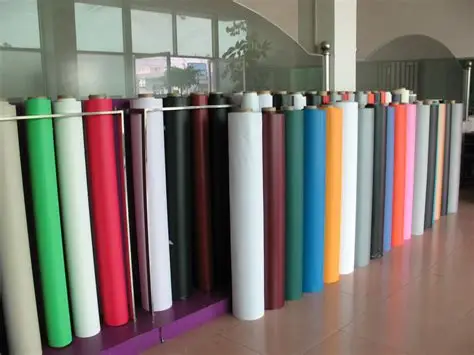
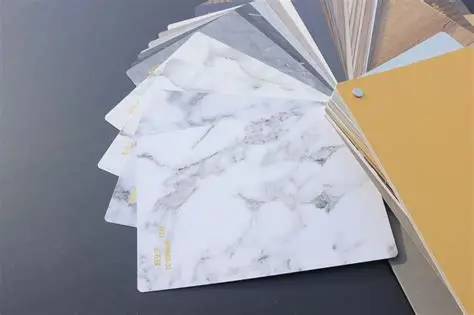
These advanced compounds provide the base for high-gloss, super-matte, and realistic wood grain decorative skins that interface seamlessly with polyurethane reactive (PUR) hot-melt adhesive systems. As premier decorative edge and surface specialists, manufacturers are designing high-integrity films that survive rigorous profile wrapping, flat lamination, and post-forming procedures, securing the value of premium home interior designs.
“The synthesis of advanced polymer films like PETG with high-speed PUR flat-lamination machinery represents the current pinnacle of structural board production, eliminating surface waviness (orange peel) while boosting chemical and physical resistance.”
A Professional Top 10 Force in Global PET Film Innovation & Technology
Established in 2017 with roots extending back over two decades in the precision coating and surface hardening sectors, Ganzhou Zhongyou Film Material Co., Ltd. is a leading force in modern functional film production. Over 8 years of intensive technical refinement has empowered our enterprise to master the complete pipeline of modern material manufacturing: from raw formulation design to co-extrusion, precision slot-die coating, multi-layer laminating, and high-accuracy slitting.
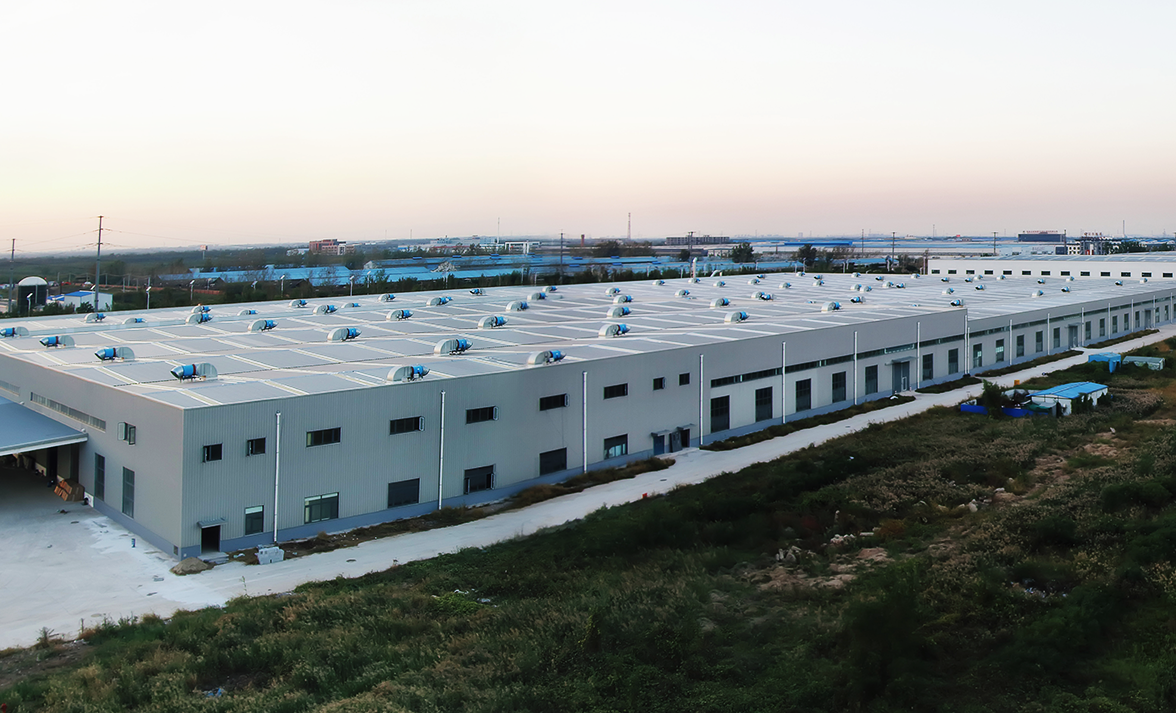
We operate out of a modern manufacturing center structured to deliver consistent quality and mechanical performance across all production runs. Our materials are designed specifically to resolve typical industrial challenges, including edge delamination, brittle fracture during routing, and surface degradation under UV exposure.

Our operational scale and infrastructure statistics speak to our global supply capacity
In the global furniture and interior fitting markets, regulatory frameworks and consumer demand are reshaping material selection. Traditionally, plasticized monomeric PVC dominated the edge banding and panel wrapping sectors due to its flexibility and low cost. However, two factors are accelerating its replacement in high-end developments:
1. Environmental and Health Directives: The emission of volatile organic compounds (VOCs) and the presence of ortho-phthalate plasticizers have prompted strict regulations globally. The European Chemicals Agency (ECHA) under REACH regulations, alongside US EPA limits, have pushed commercial contractors to seek phthalate-free, non-toxic alternatives.
2. Mechanical Performance Limits: Standard PVC decorative foils are prone to scratch damage, thermal shrinkage during hot seasons, and yellowing when exposed to natural light through window glazes. PETG and GAG structures address these weaknesses, offering high dimensional stability, heat resistance, and structural integrity.
Today, luxury kitchen cabinets, clinical healthcare fittings, and cruise ship interiors specify PETG decorative panels and edges. They emit zero toxic gases during processing, are 100% recyclable, and provide depth of gloss (often exceeding 95 gloss units) that matches glass, without the associated weight, cost, or breakage risks.
Understanding the Structural Cost & Tech Edge of Chinese Manufacturers
The competitive strength of Chinese manufacturers like Ganzhou Zhongyou Film Material Co., Ltd. goes beyond low labor costs. It is built on integrated production ecosystems, technological scale, and raw material access.
Our facility houses co-extrusion and surface treating equipment that runs continuously. By processing raw polyester chips into film and applying coatings in a single location, we eliminate intermediate transit costs and maintain consistent quality.
With 300 modern machinery systems running in a Class 100,000 cleanroom, we can deliver high-volume orders with short lead times. We maintain a reliable supply of raw PETG/APET materials, allowing us to absorb price volatility and ensure stable pricing for international buyers.
Architectural execution across distinct indoor environments using PETG/PET films
Kitchen environments present unique challenges with high moisture, heat exposure, and potential oil contamination. Our PUR-laminated PETG films feature anti-fingerprint properties, stain resistance, and high thermal stability to ensure cabinets remain pristine.
For luxury cloakroom systems, we provide textured wood grain and super-matte solid color PET foils. These materials create a premium look and resist wear from coat hangers, sliding mechanisms, and daily handling.
In hotels, hospitals, and offices, our GAG high-impact films are wrapped onto MDF or lightweight honeycomb substrates. This delivers impact resistance and matches strict public fire safety and VOC criteria.


Innovation directions defining the next decade of architectural finishes
The industry is shifting from traditional chemical matting agents to physical surface texturing via excimer curing lamps under an inert nitrogen atmosphere. This creates micro-folded surfaces with gloss ratings below 3GU (Gloss Units), achieving soft matte looks with high scratch resistance and self-healing properties.
To meet corporate ESG targets, we are engineering films containing up to 50% Post-Consumer Recycled (PCR) PET. This process keeps chemical properties equivalent to virgin resins while lowering carbon footprints, helping projects qualify for LEED and BREEAM certifications.
Procurement teams auditing film suppliers look for factors that ensure manufacturing stability and product quality:
Direct answers from our research and engineering teams
PET is a crystalline polymer. In thick sheets, it can haze; in thin gauges, it is highly transparent. PETG is modified with cyclohexane dimethanol (CHDM) to prevent crystallization, making it tougher and easier to thermoform. GAG is a three-layer co-extruded composite with an APET core and two outer layers of PETG. This design combines the high impact strength of APET with the ease of processing and surface options of PETG.
PUR adhesives cure chemically by reacting with atmospheric moisture, creating an irreversible bond. In contrast, EVA hot melts are thermoplastic and can soften if exposed to heat again. PUR offers high water resistance, chemical resistance, and thermal stability. It also applies in thinner layers (20-40 gsm versus 80-120 gsm for EVA), reducing glue lines and helping to prevent orange-peel effects.
We run our coating operations inside a Class 100,000 cleanroom system. Static air pressure, triple-stage filtration (HEPA), and air showers for operators control airborne particles. This clean environment is critical to keep the surface of our high-gloss films free of defect nodes.
Yes, PETG and GAG belong to the polyester family and can be fully recycled. Unlike PVC, which releases chlorine gas when burned, polyesters break down into carbon dioxide and water, making them easier to handle in circular waste-management systems.
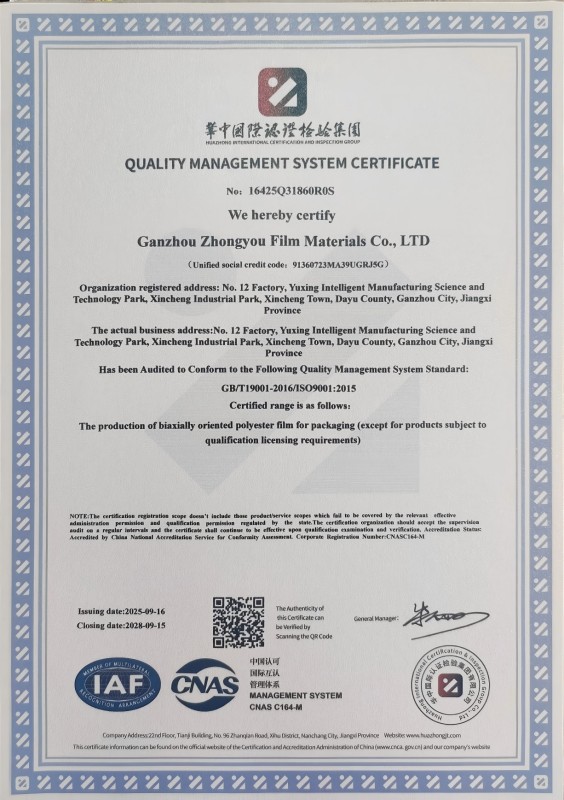
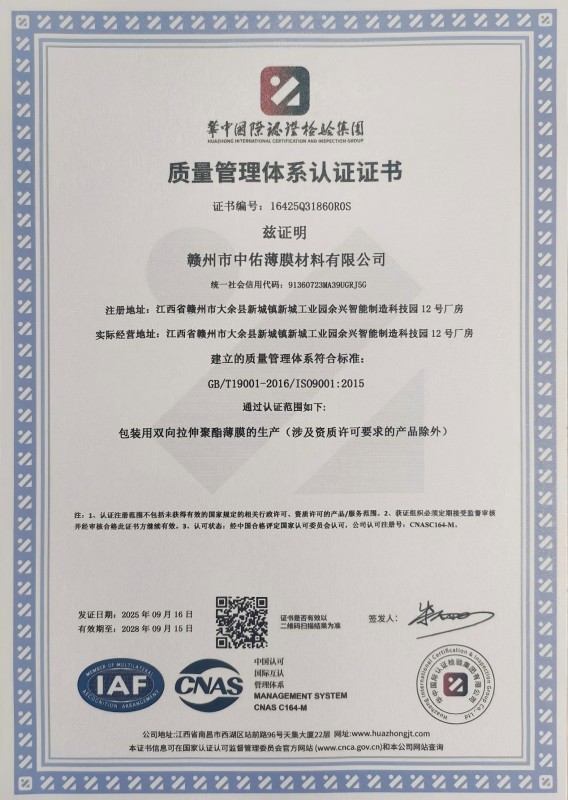
Our commitment to internationally recognized manufacturing and safety standards
The latest updates from our research team and product developers
Connect with our technical sales division to request material certificates, physical dynamic samples, or custom design matches.
Engineered solutions for panels, profiles, and flat lamination surfaces