Direct supply from state-of-the-art manufacturing plants with strict quality control protocols
Decades of engineering legacy and custom formulation of polymer surface solutions

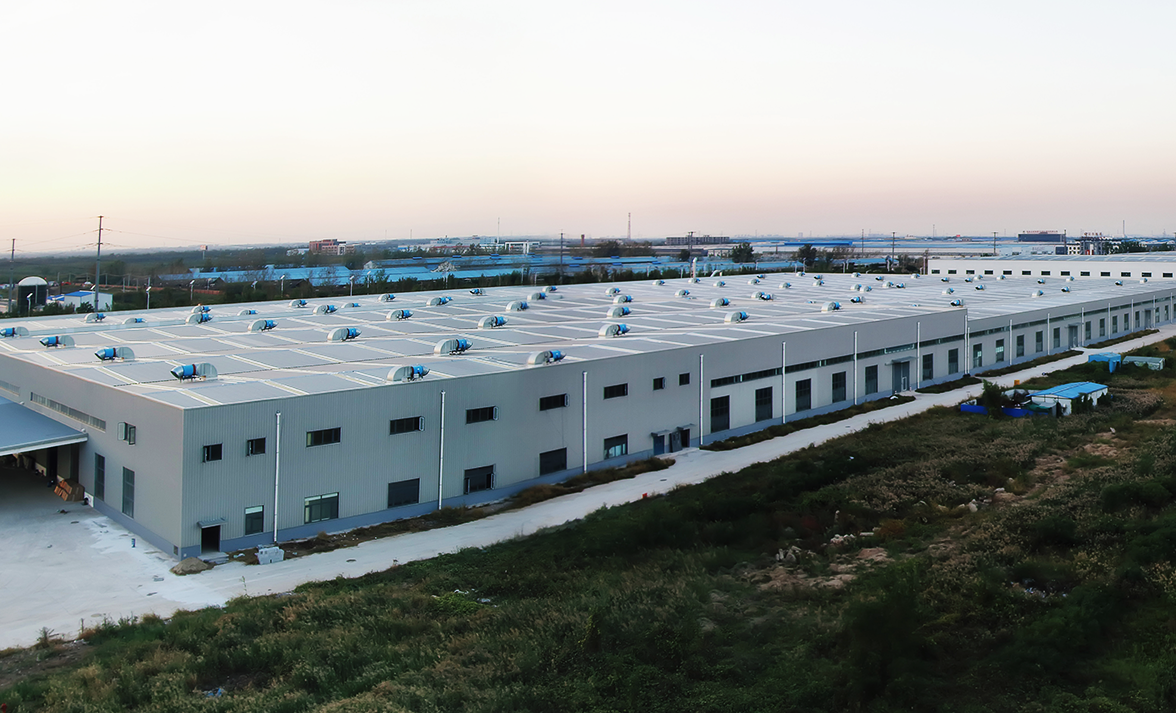
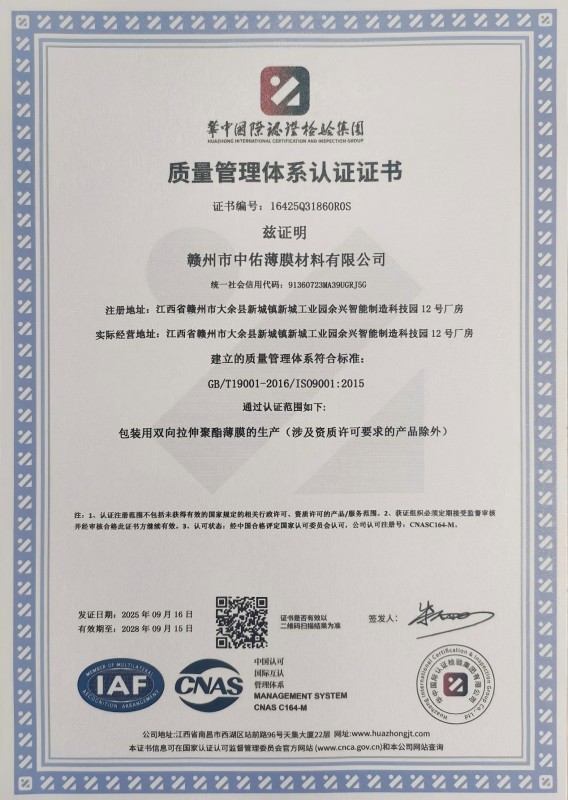
Established in 2017, Ganzhou Zhongyou Film Material Co., Ltd. has been a pioneering force in the coating and hardening industry for over two decades. As a professional and innovative PET film manufacturer, we specialize in the research, development, and large-scale production of high-performance functional films.
With more than 8 years of technical accumulation, we have built a comprehensive production system encompassing extrusion, precision coating, multi-layer laminating, and high-accuracy slitting, ensuring consistent quality and exceptional performance across our product lines.
A comprehensive study of material science, structural engineering, and procurement dynamics
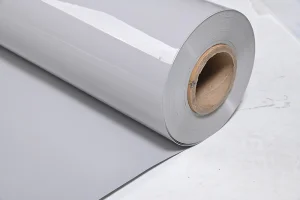
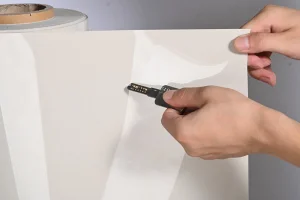
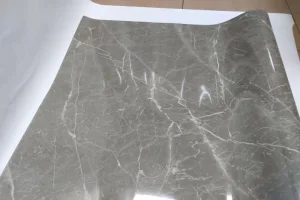
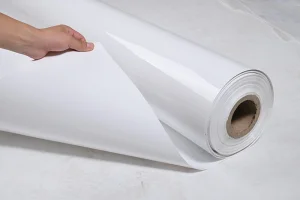
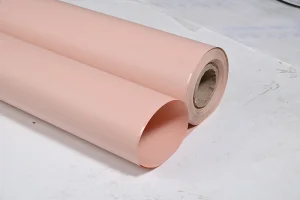
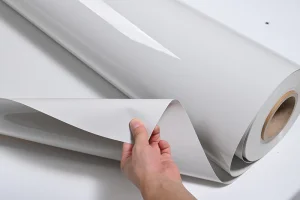
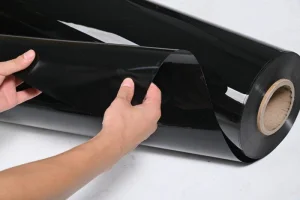
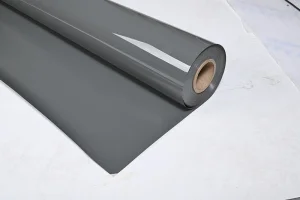
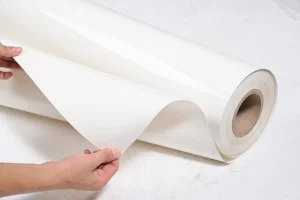
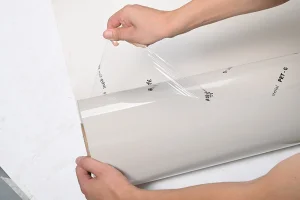
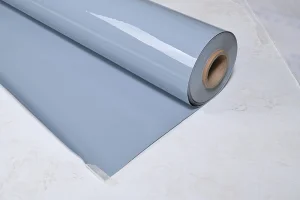
In polymer sheeting, thickness dictates performance boundaries during industrial processing. At exactly 0.3 mm (300 microns), PET (Polyethylene Terephthalate) and PETG (PET Glycol-modified) films achieve an ideal equilibrium between structural rigidity, tensile resilience, and thermal conductivity. This thickness ensures the sheet can withstand the tension of industrial unwinders while maintaining the flexibility required to conform to micro-grooves and sharp profiles on substrates like MDF or composite panels.
From a thermal standpoint, a 0.3 mm sheet heats uniformly when exposed to infrared panels in vacuum membrane press lines. Thinner sheets risk localized overheating and subsequent blowouts, while thicker sheets require prolonged cycle times, raising processing temperatures to levels that might degrade wood glues or warp substrate panels. Thus, the 0.3 mm specification acts as a defensive buffer against standard manufacturing failures.
For decades, Polyvinyl Chloride (PVC) was the default choice for thermoformed surfaces. However, rising environmental awareness, stricter building health codes, and the premium placed on optical clarity have led global furniture brands to transition to PET-based alternatives. Standard PVC contains plasticizers and releases toxic chlorine gas under thermal stress, whereas PET and PETG are completely inert and non-toxic.
PETG features a modified polymer backbone with cyclohexane dimethanol (CHDM) co-monomer content, which prevents crystallization. This gives the sheet excellent optical clarity, chemical resistance, and toughness. Unlike traditional PET, which can turn brittle when heated, 0.3 mm PETG maintains its mechanical integrity during thermoforming. This allows it to serve as a reliable barrier against scratches, moisture, and chemical exposure on vertical and horizontal interior surfaces.
Sourcing discount 0.3 mm PET sheets directly from dedicated factories in China is a key cost-control strategy for international distributors and large furniture manufacturers. However, balancing cost savings with product quality requires evaluating key manufacturing variables, such as gauge consistency, roll winding tension, and corona treatment levels.
Leading suppliers ensure high quality through advanced multi-layer co-extrusion technology. By using GAG configurations (PETG outer layers sandwiching an APET core), factories can optimize cost structures without compromising on surface properties. For global procurement officers, verifying that a manufacturer uses raw resins from trusted chemical suppliers is vital. This ensures the finished product will have consistent tensile strength and color stability across different production batches.
The next generation of 0.3 mm PET/PETG sheets will focus on surface functionality. Research in polymer chemistry is centered on developing dual-cure excimer matte coatings, which offer self-healing micro-scratches under heat and high resistance to fingerprints. These developments help panels maintain their clean look in high-traffic spaces like kitchens and commercial reception areas.
On the environmental front, factories are integrating post-consumer recycled PET (rPET) into their co-extrusion processes. By using precise three-layer GAG structures, manufacturers can place recycled polymer in the middle core layer while using virgin PETG for the outer layers. This maintains the sheet's premium surface quality and chemical resistance while helping companies meet their circular economy targets.
Engineered for premium interior environments and durable surface design

Bedroom

Cloakroom

Kitchen

Living Room

Restaurant
Expert answers to common engineering and sourcing questions about 0.3 mm decorative films
Insights on lamination technology, material science advancements, and manufacturing standards
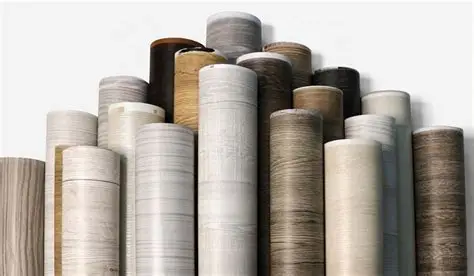
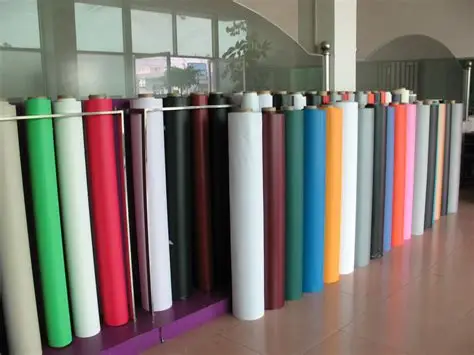
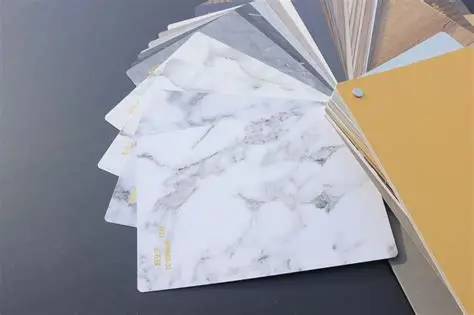
Premium options for furniture boards, flat pasting machinery, and custom architectural wall panels
Partner with a top 10 Chinese PET film factory. Contact us for custom specifications, bulk pricing, or to request material samples.