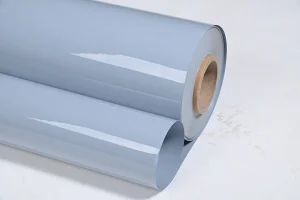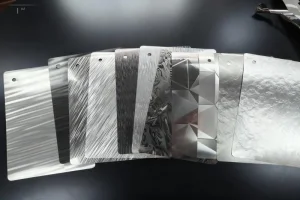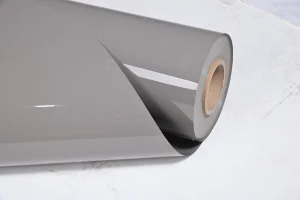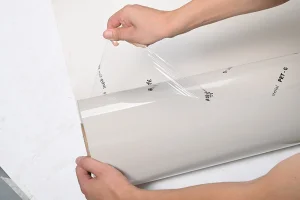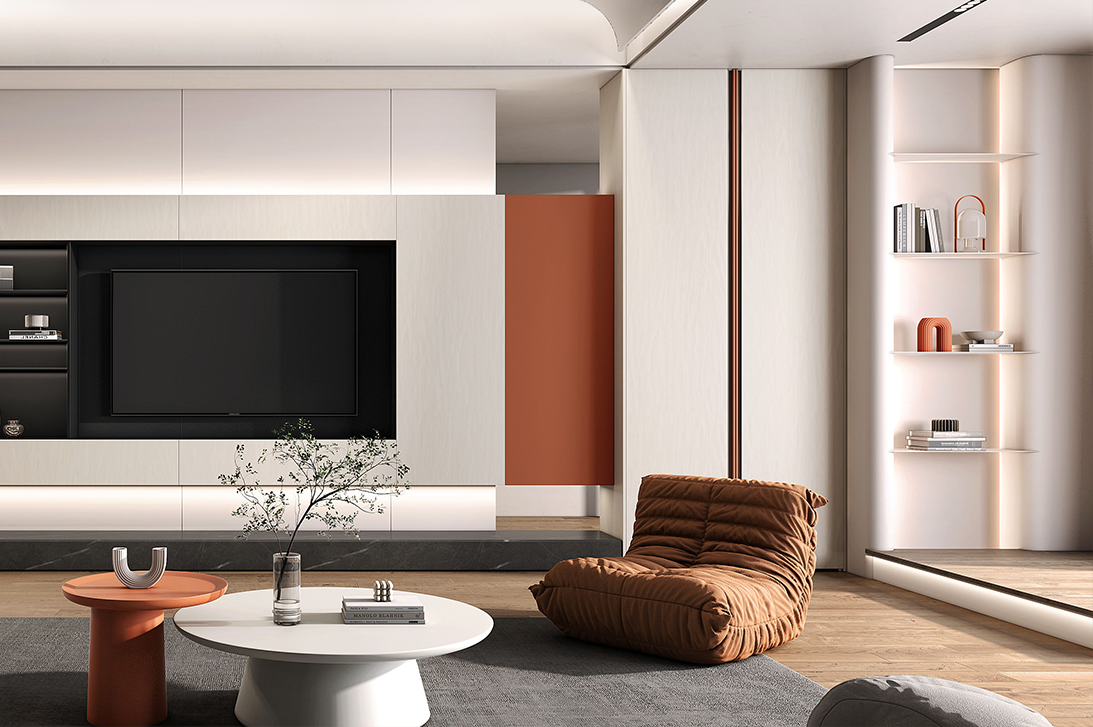
Engineered for PUR Flat Paste Lamination Systems and Architectural Surfaces
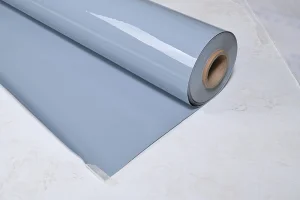
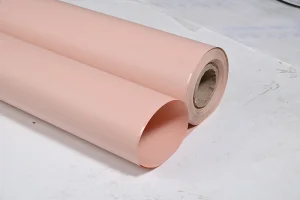
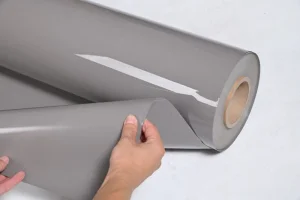
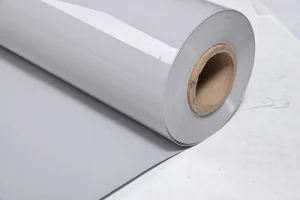
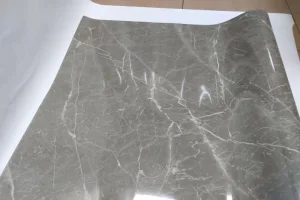
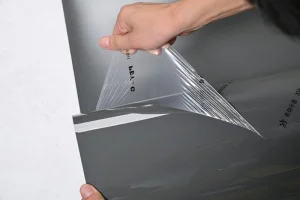
How polymer innovations are displacing traditional melamine and high-pressure laminates (HPL) to meet high-traffic demands.
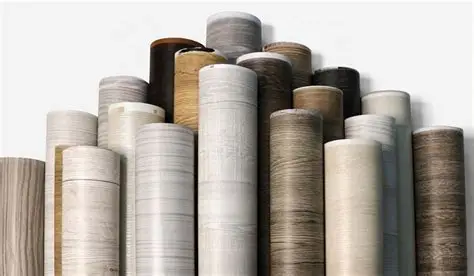
Over the past decade, the global furniture industry has shifted from reflective finishes to low-gloss, ultra-matte surfaces. This modern preference is driven by clean aesthetics, fingerprint resistance, and soft-touch tactile appeal. Standard PVC coatings and varnishes, however, fall short under harsh cleaning agents and daily wear. That is why premium alternatives like PET, PETG, and GAG structural films have become the modern standard for high-end cabinetry, offices, and hotel fit-outs.
By using Polyethylene Terephthalate Glycol-modified (PETG), manufacturers can deliver finishes below 3 gloss units (GU). These finishes are highly resistant to chemical cleaning, scratching, and heat. Incorporating multi-layer co-extrusion technology prevents surface clouding, providing deep solids and rich timber-grain textures. At the same time, this process reduces environmental emissions compared to traditional solvent-borne lacquers.
For procurement officers, sourcing matte finishes poses challenges around surface consistency, scratch recovery, and bond strength. As a premier partner, Ganzhou Zhongyou Film Material Co., Ltd. addresses these concerns. We utilize high-precision extrusion systems, dust-free manufacturing spaces, and premium PUR adhesives to prevent delamination, chemical yellowing, and micro-scratching.
For over two decades, pioneering high-performance coating, extrusion, and laminating technologies.
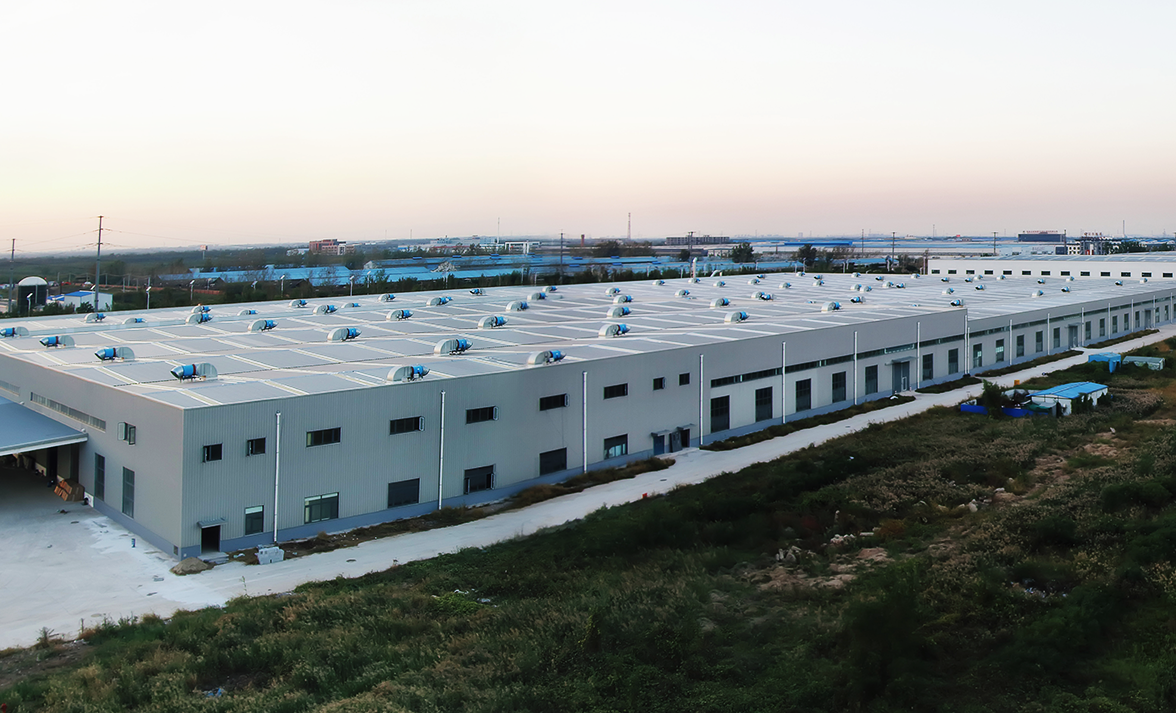
Established in 2017, Ganzhou Zhongyou Film Material Co., Ltd. builds on a foundation of coating and hardening experience dating back to 2005. Today, we specialize in the research, development, and large-scale manufacturing of high-performance functional films. With over 8 years of technical focus, we run an integrated production model spanning polymer extrusion, cleanroom coating, multi-layer laminating, and slitting.
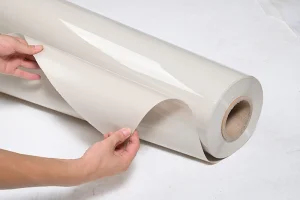
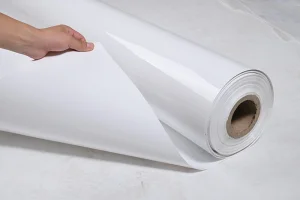
Our advanced plant handles critical processes under one roof. We supervise the polymer blend from raw material input through to final protective masking. Our films are specifically engineered for high-performance laminating systems, including PUR flat pasting machinery, hot-press lines, and vacuum membrane press systems.
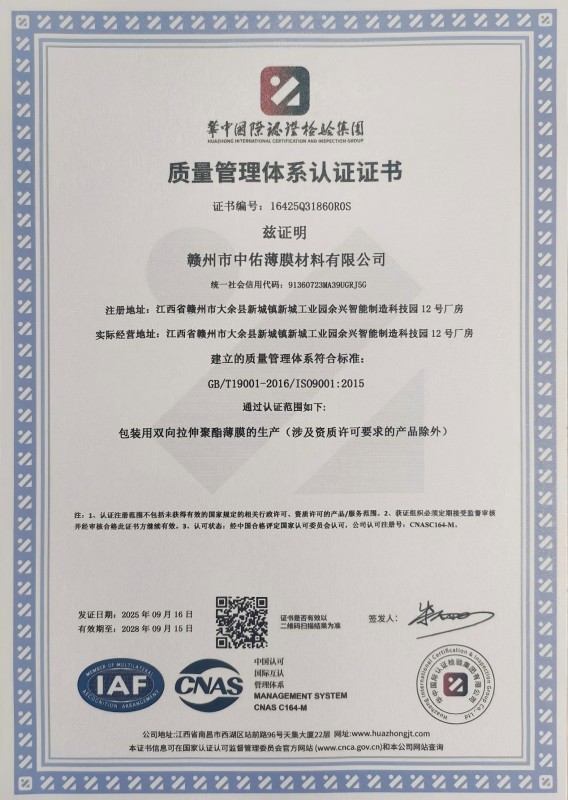
Our industrial campus is designed to meet strict standards for cleanroom operation and quality management:
An engineering comparison of structural polymer chemistries for next-generation furniture surfaces.
Choosing the right decorative film requires balancing material cost with physical performance during processing and use. Traditional PVC has been widely used, but environmental restrictions and wear concerns have accelerated the transition to ester-based polymer compounds. The table below analyzes these differences:
| Material Class | Composition & Structure | Chemical Resistance | Visual/Tactile Grade | Environmental Profile |
|---|---|---|---|---|
| PET (Standard) | Polyethylene Terephthalate. Semi-crystalline polymer providing good tensile strength. | High resistance to typical household detergents and weak acids. | High clarity. Achieves gloss or flat matte finishes. Can show micro-scratches without protective topcoats. | Highly recyclable. Non-toxic combustion products. Free of plasticizers. |
| PETG (Glycol Modified) | Modified with Cyclohexanedimethanol (CHDM). Amorphous structure prevents stress crystallization. | Excellent resistance to acids, alkalis, and alcohols. Will not yellow. | Outstanding soft-touch feel. Achieves a super-matte finish below 3 GU. Excellent scratch resistance. | 100% recyclable. Zero VOC emissions. Safe for direct food contact. |
| GAG (Co-extruded) | A multi-layer film: a PETG core sandwiched between standard PET surface layers. | Combines the chemical resistance of standard PET with the impact strength of PETG. | Excellent structural stability, making it ideal for deep embossing and textured designs. | Highly recyclable. Very stable during processing. |
| PVC (Plasticized) | Polyvinyl Chloride. Hard polymer modified with plasticizers for flexibility. | Vulnerable to organic solvents and ketones. Tendency to yellow over time. | Highly versatile and affordable. Susceptible to scratching and heat damage. | Contains chlorine and plasticizers. Emits toxic hydrogen chloride gas during combustion. |
Our matte and high-gloss films are chemically optimized for Polyurethane Reactive (PUR) flat sticking machines. Modifying the back of our films improves surface tension, ensuring a strong bond and avoiding adhesive telegraphing.
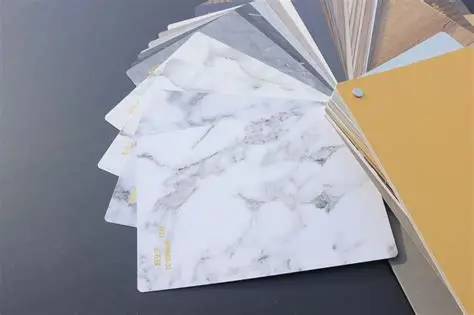
Using advanced curing processes, we achieve a velvet-like texture that resists fingerprints and smudges. Light scatters across the micro-textured surface to keep glare to a minimum.
Our top-tier PETG films feature cross-linked surfaces that provide minor self-healing capabilities. Applying light heat can remove surface micro-scratches, keeping panels looking new.
Unlike standard monomeric PVC, our co-extruded GAG and PETG materials resist shrinkage, even under heat. This ensures clean, flush edges and prevents seam gaps.
From heavy-use kitchens to sleek commercial projects, our PETG functional films provide durability and style.
Modern interior designs rely on smooth, non-reflective surfaces. Ganzhou Zhongyou decorative films are engineered for a variety of demanding applications:



In high-moisture settings like kitchens and bathrooms, typical laminates can absorb water at the seams, leading to swelling. Our PETG and GAG decorative films form a strong water-resistant seal when bonded with PUR adhesives. This protects the wood composite core from humidity and temperature changes, ensuring long-lasting performance.
How Ganzhou Zhongyou combines lower material costs with strict global quality standards.
Operating in Jiangxi's industrial zone gives us direct access to high-quality petrochemical feedstock. This localized raw material supply chain keeps transportation costs down and shields our global buyers from sudden polymer price swings.
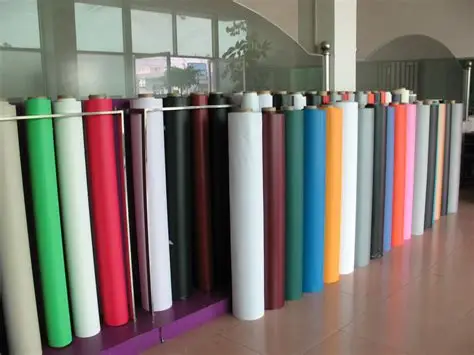
We configure our co-extrusion lines to match precise target gloss levels, color pigments, and physical thicknesses (ranging from 0.15mm up to 0.8mm). We tailor every batch to our clients' machinery configurations and processing speeds.
Every roll of film undergoes multi-stage inspections, including colorimeter testing, delta-E analysis under multiple light sources, cross-hatch adhesion checks, and gloss-angle profiling. This rigorous testing guarantees batch-to-batch consistency.
Helping manufacturers improve efficiency, reduce panel waste, and enhance modern design quality.
Applying decorative film to MDF, particleboard, or mineral substrates can lead to process bottlenecks. Our technical team works directly with panel manufacturers and laminators to solve these issues. We optimize temperature curves, press pressure, and processing speeds for high-speed flat paste machines.
By using PETG and GAG films, producers can achieve clean, paint-like finishes without the high cost and environmental issues of spray lacquering lines. This transition reduces VOC output and speeds up deliveries for customization projects.

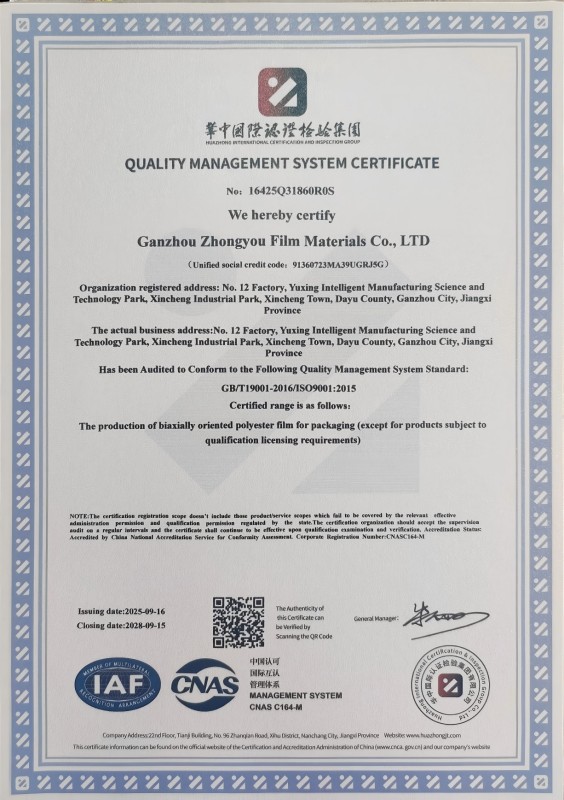
Our products are tested and certified to comply with strict international building and indoor air quality codes.
We test our decorative materials for scratch resistance, colorfastness under light, chemical exposure, and emissions. This ensures our films meet the standards required for green building certifications, such as LEED, and comply with REACH and RoHS regulations.
Expert insights to help global buyers make informed material and process choices.
Read the latest technical announcements, material developments, and design trends from our team.
Connect with our engineering and sales teams to request material samples and custom price quotes.
Or contact us directly:
Explore our full line of PETG, GAG, and PVC furniture wall boards and flat paste solutions.