
Engineered for high-volume custom wall fabrication, kitchen cabinets, and premium architectural interior panels.
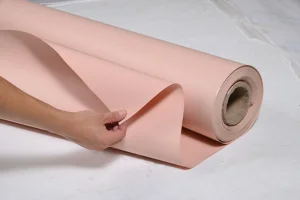
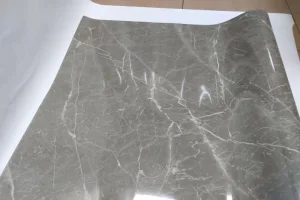


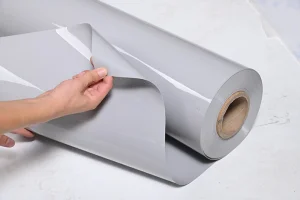
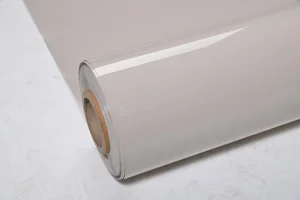
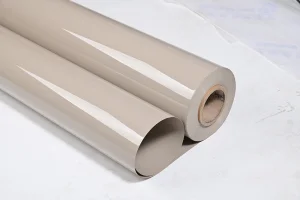

The global interior architecture and modular furniture industry is experiencing a profound paradigm shift driven by material science innovations, environmental regulations, and demanding aesthetic standards. Historically, interior design panels relied heavily on traditional polyvinyl chloride (PVC) substrates, low-pressure laminates (LPL), and high-pressure laminates (HPL). However, the modern architectural paradigm requires surfaces that offer not just visual excellence, but also exceptional surface longevity, non-toxic formulations, and ultra-high processing yields.
This has catalyzed the rapid adoption of PET (Polyethylene Terephthalate), PETG (Polyethylene Terephthalate Glycol), and GAG (a co-extruded three-layer structure combining APET and PETG) decorative films. These materials provide a highly stable, scratch-resistant surface layer with exceptional clarity and depth of color. Furthermore, they are fully recyclable, avoiding the environmental hazards of plasticizer emissions and hydrochloric gas release during manufacturing or disposal.
In addition, advanced finishing processes such as electron beam (EB) curing and excimer matte technologies are now standard for high-performance projects. These methodologies alter the molecular structure of the film's outer layer, yielding characteristics like anti-fingerprint properties, thermal healing of micro-scratches, and ultra-matte levels below 3 gloss units. Today's global sourcing landscape actively prefers these materials for high-traffic environments, premium cabinetry, and hygienic clinical environments.
For custom wall manufacturers and industrial design operations, understanding the exact chemistry of functional films is key to choosing the right lamination parameters and maintaining high production yields:
As large-scale interior wall design and custom cabinetry systems transition toward prefab modularization, procurement managers face stringent challenges. B2B buyers must navigate complex supply chains while maintaining strict compliance with environmental and physical quality benchmarks.
The transition toward eco-certified green buildings—guided by global frameworks like LEED, BREEAM, and EN 13986—has made low VOC emissions a non-negotiable metric. Standard laminates using formaldehyde-based adhesives are being replaced by polyurethane reactive (PUR) hot-melt adhesive systems paired with non-PVC decorative films. In response, global specifications now require material certificates verifying food-grade contact safety, lack of heavy metals, and compliance with EU REACH and RoHS regulations.
To assist procurement teams, the table below compiles the essential test standards and values that custom wall cladding and furniture surface films must meet for high-performance commercial projects:
| Test Parameter | Standard Reference | Required Quality Baseline | Performance Benefit |
|---|---|---|---|
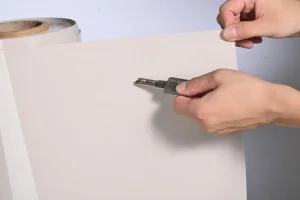
| Scratch Resistance | ISO 1518-1 / ASTM D3363 | Pencil Hardness ≥ 2H - 4H | Prevents surface scuffing during assembly and daily cleanings. |
| Chemical Resistance | EN 12720 / DIN 68861-1 | Grade 5 (No visible changes, 24h exposure) | Resists common household reagents, ethanol, and disinfectants. |
| Color Fastness (UV Light) | ISO 105-B02 / ASTM G154 | Grey Scale Rating ≥ 4 (after 200h exposure) | Guarantees color consistency and prevents yellowing in bright spaces. |
| Dimensional Stability | DIN 53377 | Longitudinal Shrinkage ≤ 0.5% (at 80°C) | Prevents peeling and edge retraction on MDF, particleboard, or steel. |
| VOC Emission Profile | ISO 16000-6 / AgBB Scheme | TVOC ≤ 0.1 mg/m³ (Class A+ standard) | Ensures compatibility with hospital, school, and cleanroom air standards. |
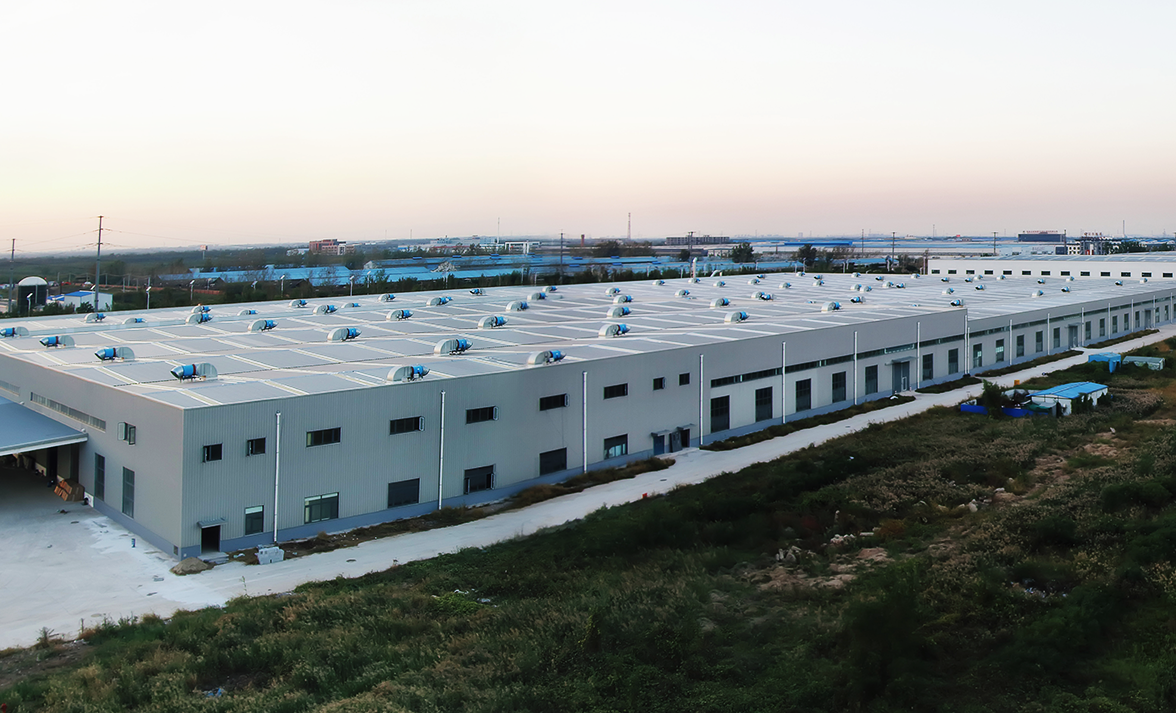
The globalization of the custom wall and design industry demands manufacturing partners capable of balancing high-volume output with micro-precision. China's industrial upgrade to Factory 4.0 has enabled leading manufacturers to combine highly automated extrusion systems with precision chemical coating to achieve these goals.
Advanced factories leverage vertically integrated production lines, coordinating automated resin drying, raw extrusion, online multi-layer lamination, and precision slitting. Real-time optical inspection systems monitor film thickness and detect microscopic defects like gels, fish-eyes, and dust down to the sub-millimeter level. This keeps yield rates high and batch-to-batch color deviations (Delta E) under 0.5.
Furthermore, China's extensive chemical and raw material supply chain ensures outstanding resilience against market volatility. By sourcing base resins locally and utilizing automated warehouse logistics, manufacturers can maintain consistent lead times and cost efficiency even during global transit disruptions.
Established with roots stretching back to 2005 and a dedicated manufacturing base formalized in 2017, Ganzhou Zhongyou Film Material Co., Ltd. has stood as a pioneer in the functional film coating and hardening industry for over two decades.
Our focus is the continuous R&D and large-scale manufacturing of high-performance functional films. With more than 8 years of deep technical accumulation, our comprehensive manufacturing system spans from raw extrusion and precision coating to multi-layer laminating and high-accuracy slitting, ensuring reliable performance for every roll delivered globally.

The physical bonding of decorative films to substrates is critical to the longevity of the final product. Even the highest-grade film will fail if the lamination parameters are poorly configured. Modern industrial shops rely on PUR (Polyurethane Reactive) flat paste machines and hot-melt technology to achieve flat, long-lasting surface adhesion.
Unlike standard EVA or water-based adhesives, PUR adhesives form strong chemical cross-links upon reacting with ambient and substrate moisture. This ensures the bond remains highly resistant to heat, water, and cleaning chemicals. To avoid surface defects like "orange peel," processing parameters must be carefully managed:


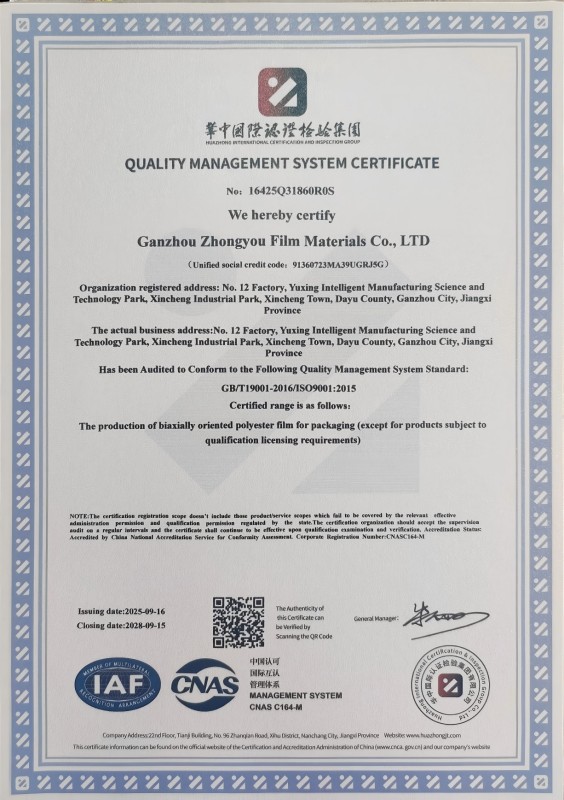
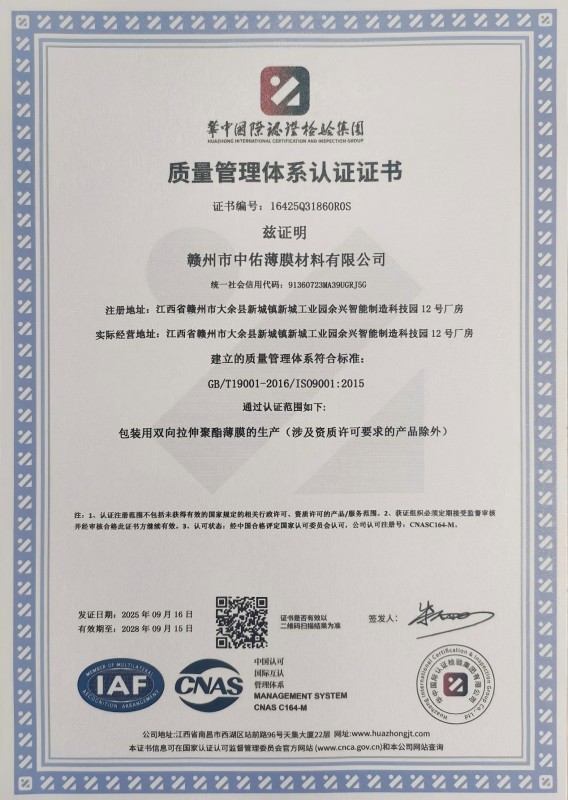
Our materials undergo strict testing in accordance with international standards to ensure reliability and performance in demanding commercial environments.
Practical technical insights to help engineers, procurement teams, and plant managers optimize their laminating processes.
PETG is a single-layer glycol-modified PET film that offers high elasticity, high gloss depth, and excellent thermoformability. GAG is a three-layer co-extruded composite (PETG/APET/PETG). GAG provides a cost-effective option that balances the surface properties of PETG with the stiffness of an amorphous PET core, though it is slightly less flexible than pure PETG for deep-draw thermoforming.
Standard EVA or water-based adhesives are thermoplastic and can soften under heat, making them susceptible to moisture peeling. PUR (Polyurethane Reactive) forms chemical cross-links upon curing, creating a strong, permanent bond that resists temperatures up to 150°C, moisture, and chemical exposure.
Yes, PET and PETG are highly recyclable polyester polymers. Unlike PVC, which releases chlorine gas when heated, PET/PETG can be safely processed in energy recovery systems or ground down into recycled feedstocks, helping projects meet modern green building certifications.
Decorative films for furniture and wall panels typically range from 0.15mm to 0.45mm in thickness. Thicker films (0.3mm+) are recommended for high-gloss finishes to help mask minor imperfections on the underlying substrate.
Orange-peel is typically caused by uneven adhesive distribution or substrate surface roughness. To prevent this, ensure the MDF core is finely sanded, clean the surface of all dust, maintain correct roller pressure, and use a slot nozzle applicator to apply a uniform, thin layer of PUR adhesive.
Yes, our high-performance films can be specified with an advanced UV-cured or excimer-hardened scratch-resistant top coat. This treatment raises the pencil hardness rating to 2H-4H, protecting surfaces against scuffs and micro-scratches during fabrication and everyday use.
Stay up to date with the latest developments in functional films, lamination technology, and product launches from Zhongyou.
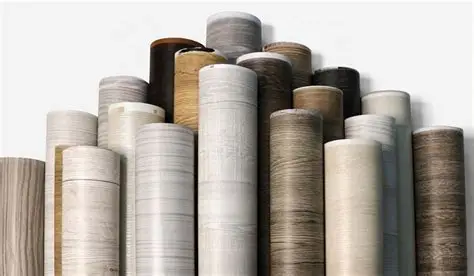
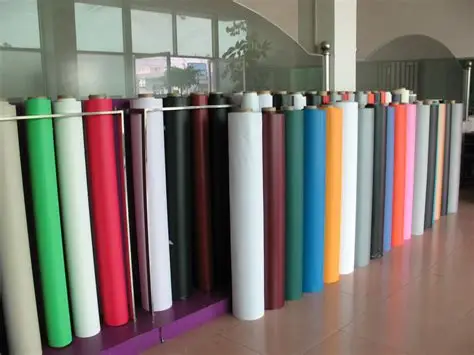
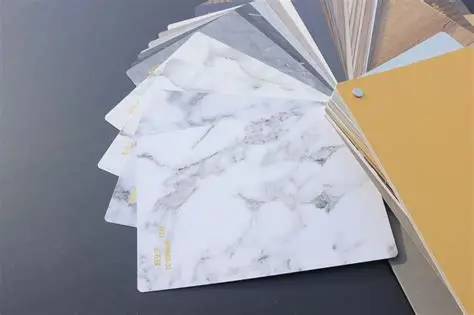
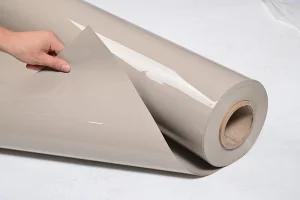
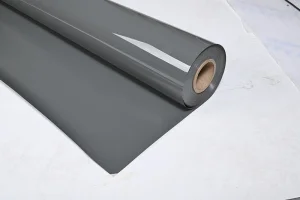
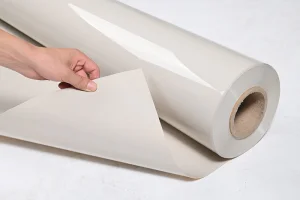
Explore our specialized range of decorative laminates designed for PUR paste systems and commercial interior wall designs.
Request material samples, technical specifications, or customized sizing recommendations from our engineering team.