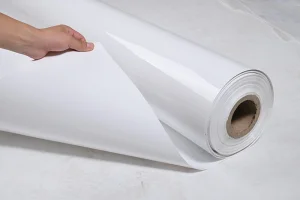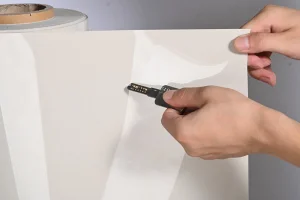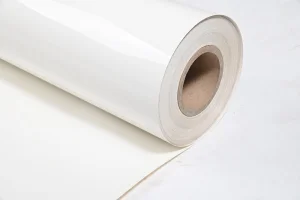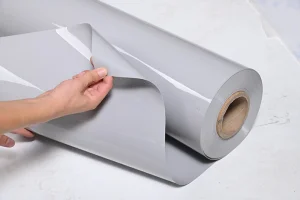
Explore our catalog of high-performance surface solutions optimized for automated PUR flat lamination lines and precision furniture manufacturing.
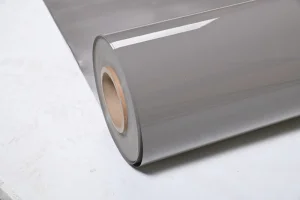
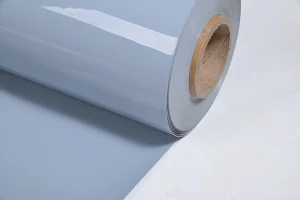
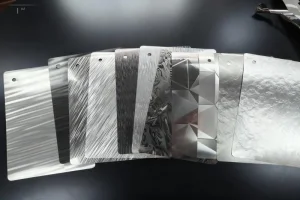
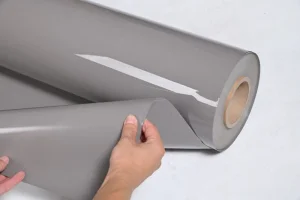
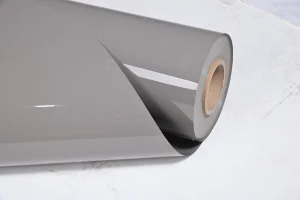

The global cabinetry and interior furnishing industries are witnessing a major shift away from traditional wood finishes, low-pressure melamines (LPM), and simple painted solutions toward advanced polymer overlays. In this changing landscape, Polyethylene Terephthalate Glycol (PETG), GAG (a multi-layer co-extruded configuration of PETG-APET-PETG), and high-performance polyvinyl chloride (PVC) surface films are becoming the new standard. These materials are chosen for their superior scratch resistance, resistance to yellowing, and eco-friendly properties.
Modern consumers demand clean, high-end designs like ultra-matte or mirror-like high-gloss finishes, which cannot be achieved with traditional wood composites alone. Additionally, stricter environmental standards in regions like the European Union (under REACH directives) and North America (governed by EPA and TSCA Title VI) have pressured cabinet factories to phase out solvent-heavy spray paints and formaldehyde-emitting laminates. This shift has driven the adoption of co-extruded thermoplastic films.
Advanced cross-linked top-coats provide high scratch, stain, and chemical resistance, keeping surface boards clean and pristine.
PETG and GAG films are 100% recyclable, free of harmful plasticizers, and release no toxic fumes or VOCs during processing.

Understanding the molecular properties and practical application parameters of PET, PETG, GAG, and PVC surface films.
For custom cabinet suppliers, choosing the right film structure is a balance of performance, processing efficiency, and cost. While basic PVC films are budget-friendly and easy to shape, they cannot match the optical clarity, UV stability, and eco-friendliness of PETG. GAG films represent a smart compromise: their co-extruded three-layer structure features an APET (Amorphous Polyethylene Terephthalate) core sandwiched between two outer layers of PETG. This design combines the structural strength of APET with the excellent bonding and heat-forming qualities of PETG, reducing material costs without sacrificing processing reliability on PUR flat paste machines.
| Material Type | Chemical Composition | Scratch Resistance | UV Yellowing Stability | Ideal Processing System | Environmental Profile |
|---|---|---|---|---|---|
| PETG (Polyethylene Terephthalate Glycol) | Glycol-modified Polyester | High (>2H Pencil Hardness) | Excellent (Anti-yellowing) | PUR Flat Lamination / Vacuum Press | Excellent (Recyclable, PVC-free) |
| GAG (PETG-APET-PETG) | Co-extruded Multi-layer Polyester | Medium to High | Very Good | PUR Flat Paste Machines | Excellent (Highly Recyclable) |
| High Gloss PVC | Polyvinyl Chloride + Additives | Medium (<1H-2H depending on coat) | Fair (Requires UV stabilizers) | Roller Lamination / Vacuum Press | Poor (Contains chlorine, plasticizers) |
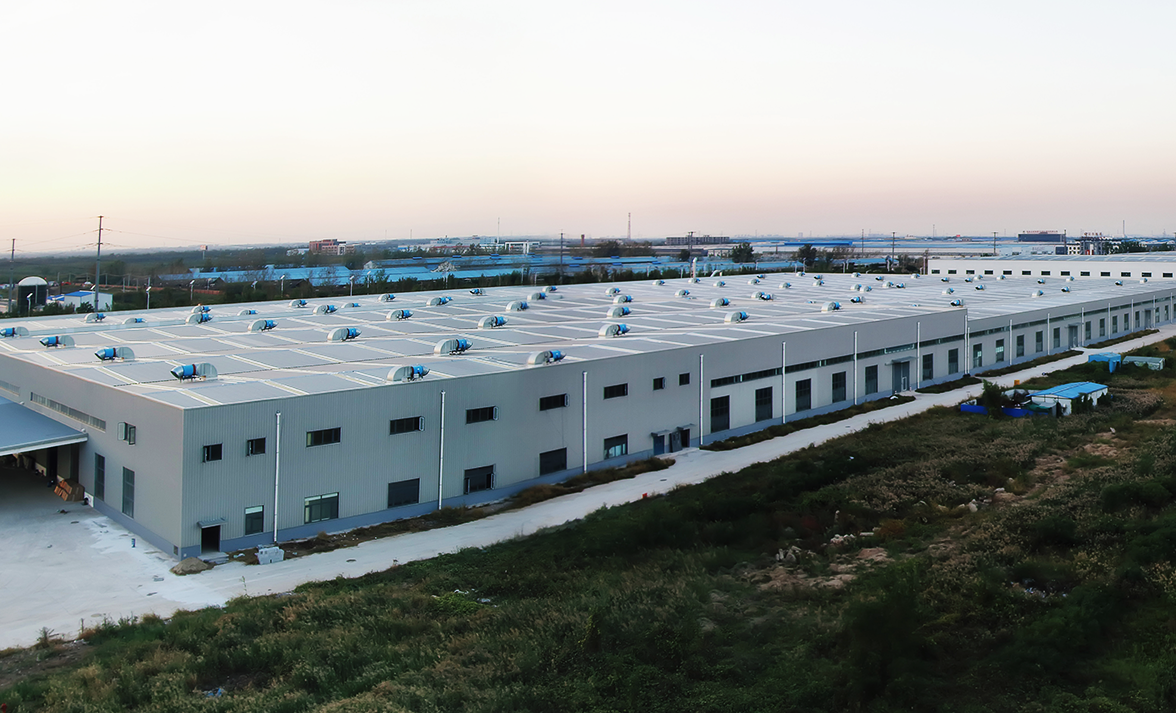
Established in 2017 with industry expertise dating back to 2005, Ganzhou Zhongyou Film Material Co., Ltd. has established itself as a leading innovator in high-performance functional polymer coatings. We specialize in the R&D and large-scale manufacturing of top-tier functional films. Our integrated facility is equipped for extrusion, precision coating, multi-layer laminating, and high-accuracy slitting. This ensures we deliver reliable, high-performance surface solutions to cabinet factories and OEMs worldwide.
Our plants feature Class 100,000 dust-free workshops to ensure our decorative films are free of dust spots, dynamic surface defects, and micro-contaminants. This environment is essential for achieving flat, mirror-like gloss finishes. Guided by strict quality control standards, our decorative polymers deliver consistent performance and excellent adhesion when run on modern industrial lamination lines.
Our decorative film solutions are engineered to enhance custom furniture panels across diverse interior environments.


For large-scale furniture manufacturers, production line stability determines profitability. Working with PETG and GAG decorative films requires precise processing control. Unlike traditional PVC, PETG has a narrower thermal processing window. To address these challenges, Ganzhou Zhongyou offers comprehensive processing solutions designed for modern industrial lines:
1. PUR Flat Paste Integration: Our films are treated with a specialized corona process to increase surface energy (minimum 38 dynes/cm). This optimizes bonding with Polyurethane Reactive (PUR) hot-melt adhesives, preventing peeling and edge separation even in high-humidity kitchen and bathroom environments.
2. Tension & Static Mitigation: During high-speed roll lamination, static buildup can attract dust, leading to surface blemishes. Our films are engineered with antistatic properties to repel airborne particulates during processing. Additionally, they feature controlled tensile properties to prevent elongation and pattern distortion.
3. UV-Curing Top-coat Technology: To match the durability of premium lacquers, our high-gloss and super-matte series are finished with an excimer-cured or electron-beam (EB) cured acrylic lacquer. This barrier provides excellent resistance against micro-scratches, household chemicals, and yellowing from UV exposure.
Development of bio-sourced polyester compounds containing over 30% post-consumer recycled (PCR) materials to help partners meet carbon reduction goals.
Integrating intelligent polymer chains into super-matte finishes, allowing minor surface scratches to heal with light heat application.
Applying non-leaching antimicrobial coatings to films, designed specifically for hygienic surfaces in healthcare, hospitality, and residential custom cabinets.
Get professional answers to common questions about selecting, processing, and validating PETG and GAG functional laminates.
PETG has a higher softening temperature and greater tensile strength than PVC. During processing, PETG requires precise temperature control and dynamic tension adjustments to prevent warping. It is also highly resistant to yellowing, contains no plasticizers, and does not release chlorine gas during cutting or thermal shaping.
GAG is a co-extruded film featuring an APET core layered between two outer sheets of PETG. APET provides structural stiffness and cost savings, while the outer PETG layers ensure excellent adhesion and scratch resistance. This design delivers premium surface performance at a lower price point than solid PETG films.
High-gloss surfaces show even tiny dust particles as visible bumps. Processing decorative films in a Class 100,000 dust-free cleanroom keeps the surface clear of airborne contaminants, ensuring a smooth, mirror-like finish on the final laminated panels.
Corona treatment uses a high-voltage electrical discharge to raise the film's surface energy, typically to a minimum of 38 dynes/cm. This process creates microscopic bonding sites on the polymer surface, allowing PUR hot-melt adhesives to form a strong, peel-resistant bond with the substrate.
Yes, but the vacuum press profile must be adjusted. Because PETG has a narrower forming temperature range than PVC, the heating elements must be calibrated to ensure uniform heat distribution, preventing tearing or thinning at the panel edges.
Yes, our PETG and GAG films are free of formaldehyde, plasticizers, and heavy metals. They comply with EU REACH regulations, RoHS directives, and US EPA standards, making them safe for indoor residential and commercial applications.
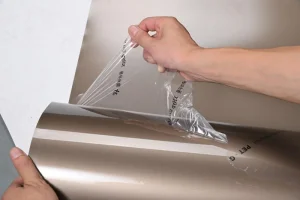
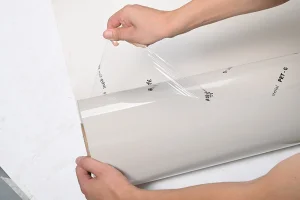
Each film roll is protected with a co-extruded PE protective mask. This mask shields the high-gloss or matte finish from scratches during transport, cutting, and lamination, and is peeled off after final installation.
Yes, we offer OEM and ODM services. Our production lines can match custom color targets, wood grains, stone patterns, and gloss levels to meet the specific requirements of our clients.
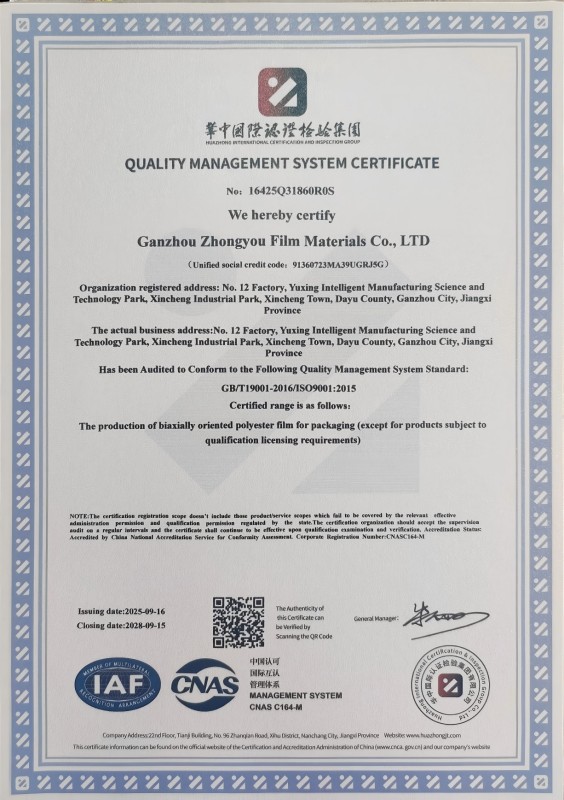
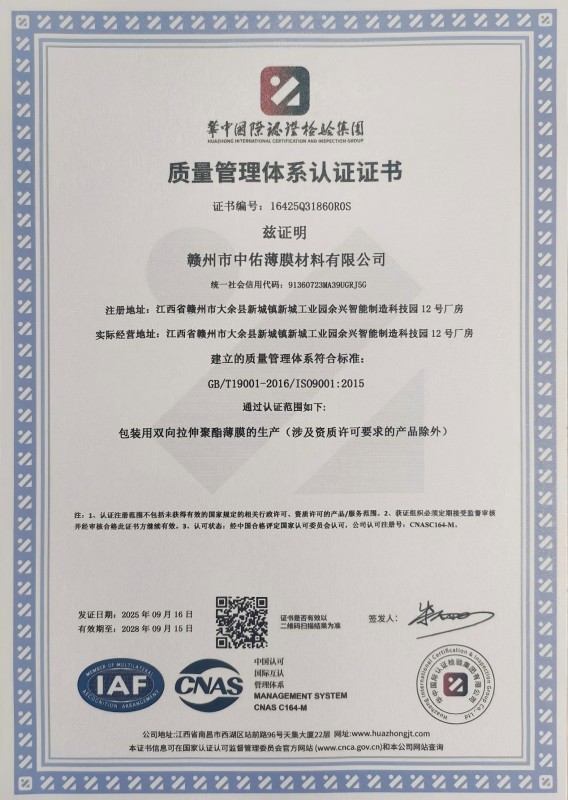
Our manufacturing facility operates under strict quality management systems to ensure consistent production standards.
Keep up with the latest updates on high-performance laminates, industrial machinery, and material science developments.


Have questions about technical specifications, pricing, or custom production runs? Contact our engineering team for assistance.
Review our specialized functional polymer rolls engineered for commercial panel coating and furniture manufacturing.