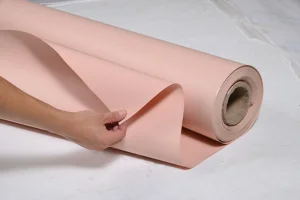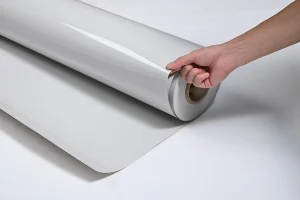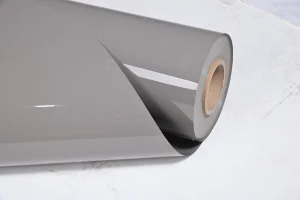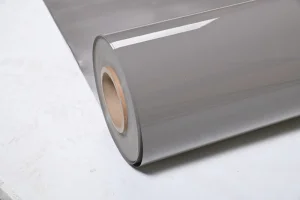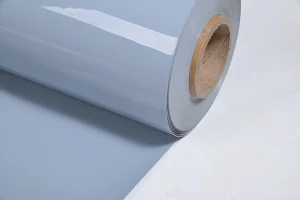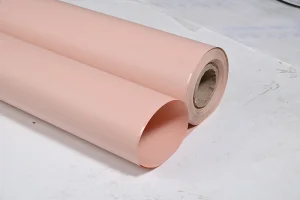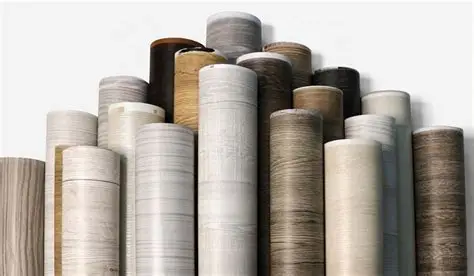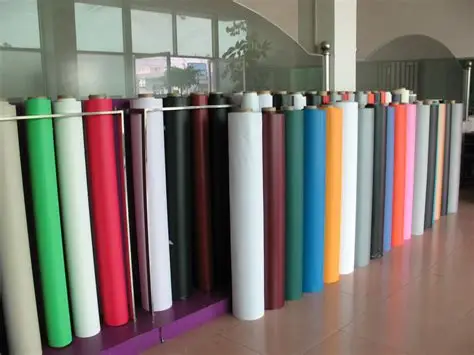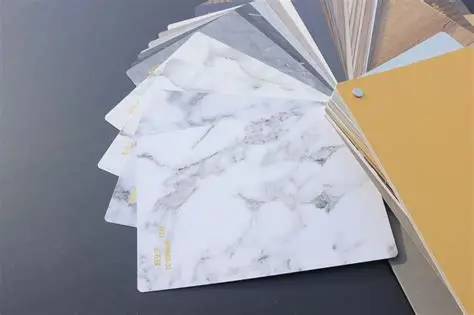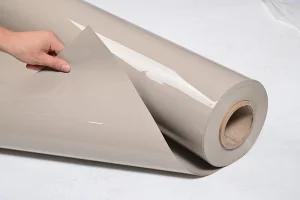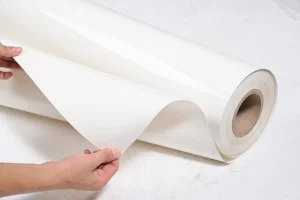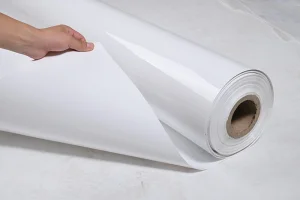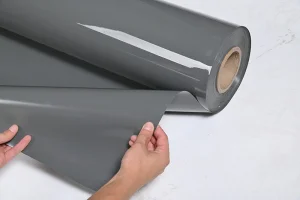
Explore our leading functional films optimized for flat paste machines and PUR sticking lines
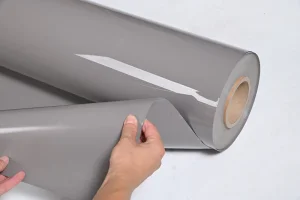
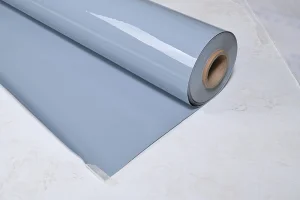
An authoritative analysis of functional polymers replacing traditional wood veneers in modern manufacturing
The global furniture manufacturing landscape is undergoing a critical transition. Traditionally, China wood furniture factories relied heavily on raw solid lumber or natural wood veneers. However, raw timber faces significant industrial bottlenecks: high susceptibility to ambient humidity, warping, high waste factors during fabrication, and mounting global ecological regulations. To mitigate these vulnerabilities, the modern commercial furniture sector has embraced engineered substrate panels (MDF, HDF, Particle Board, and Plywood) wrapped in advanced polymer skin materials.
For custom whole-house cabinetry, architectural wall cladding, and modular commercial structures, finishing surfaces must fulfill both aesthetic and high-durability parameters. The integration of polyethylene terephthalate (PET) and PETG decorative films applied via advanced PUR (Polyurethane Reactive) flat paste machines has emerged as the premier surface solution. Unlike conventional solvent-based finishes, high-performance functional films do not release Volatile Organic Compounds (VOCs) and exhibit superior scratch protection (often exceeding 4H hardness rating on the pencil scale).
Moreover, global wood sourcing regulations such as the European Union Timber Regulation (EUTR) and the United States Lacey Act require absolute traceability of wood origins. By replacing solid wood coatings with high-fidelity, touch-realistic wood grain PETG overlays, global brands maintain structural compliance, lower logistics costs, and achieve precise design replication across thousands of production batches.
Established in 2017 with roots extending over two decades in the coating, extrusion, and surface hardening industry, Ganzhou Zhongyou Film Material Co., Ltd. stands as a pioneer in functional surface technologies. Operating out of a massive 60,000 square meter modern manufacturing facility, we specialize in R&D, design, and high-precision production of premium PET, PETG, GAG, and PVC decorative films.
Through our advanced multi-layer co-extrusion technology, cleanroom lacquer coating systems, and precision micro-slitting processes, we deliver structural decorative materials to top-tier furniture manufacturers globally, facilitating high-speed PUR lamination lines with absolute process security.
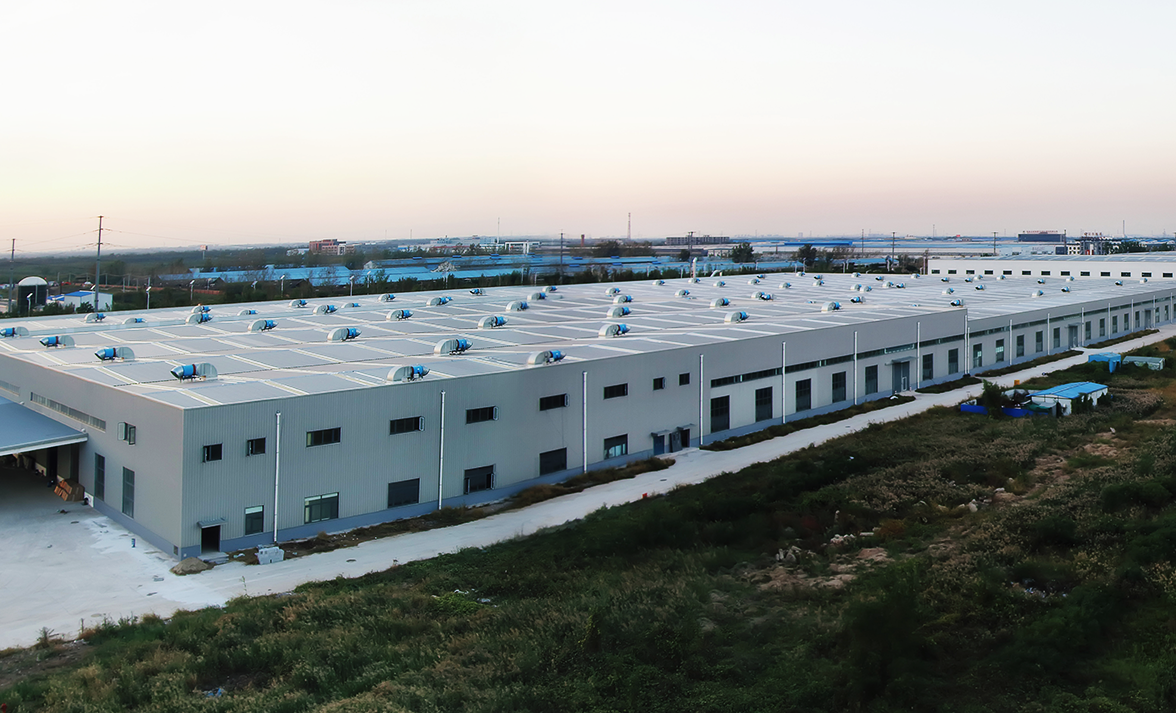
Choose the optimal material chemistry based on application stresses, design intent, and processing conditions
| Parameter | PET (Polyethylene Terephthalate) | PETG (Glycol-Modified PET) | GAG (PETG-APET-PETG) | PVC (Polyvinyl Chloride) |
|---|---|---|---|---|
| Base Hardness | 3H - 4H (High rigidity) | 2H - 3H (Impact resistant) | 2.5H - 3.5H (Balanced) | 1H - 2H (Relatively soft) |
| PUR Adhesion Grade | Excellent with primer application | Outstanding without primers | High adhesion compatibility | Standard mechanical bonding |
| Environmental Footprint | Fully recyclable, VOC-free | Food-contact grade, zero halogens | Eco-friendly composite construction | Contains plasticizers (unless premium formulation) |
| Thermal Processing Range | 120°C - 150°C | 100°C - 130°C (Thermoformable) | 110°C - 140°C | 80°C - 110°C |
| Common Applications | High-gloss wardrobe fronts, flat panels | Membrane pressing, structural profile wrapping | Multi-layer decorative wall panels | Cost-effective commercial furniture edge wrapping |
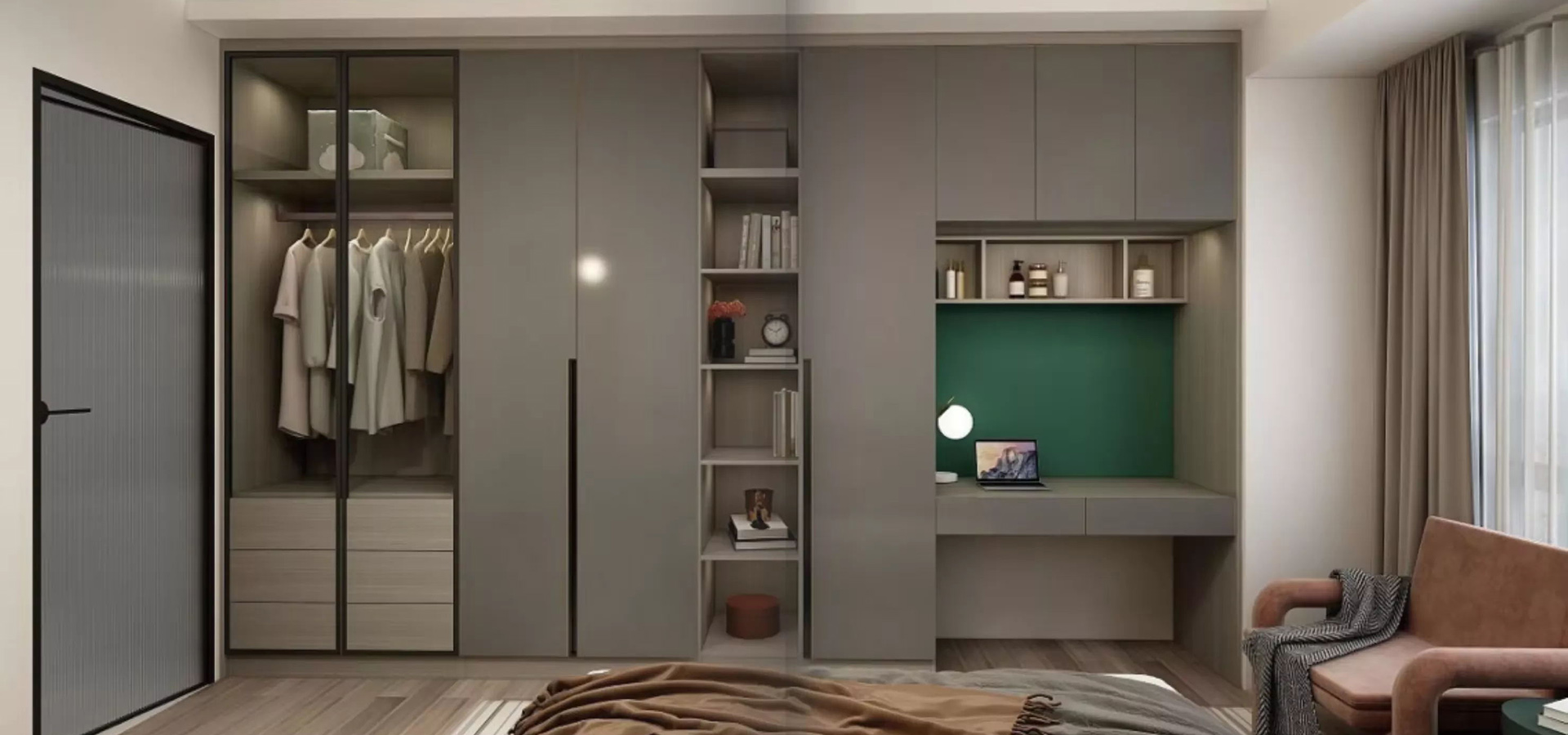
How global developers and customized furniture manufacturers deploy advanced skins in modern spaces


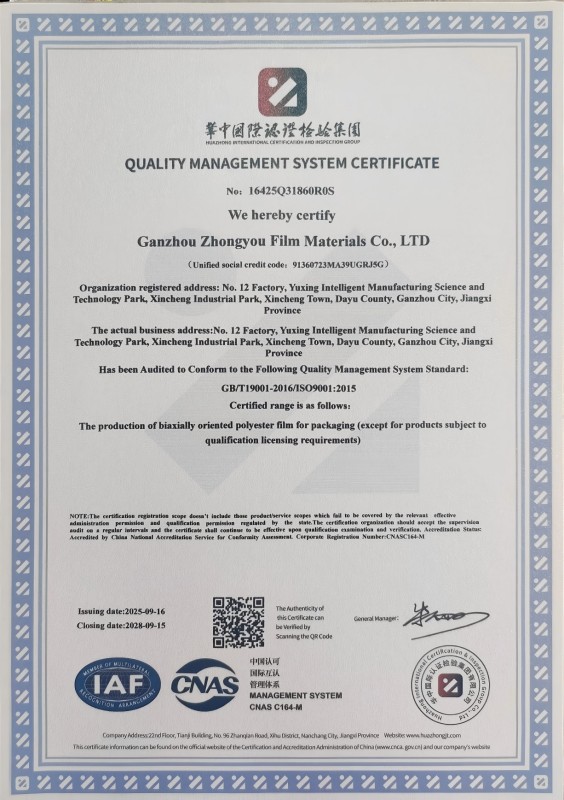
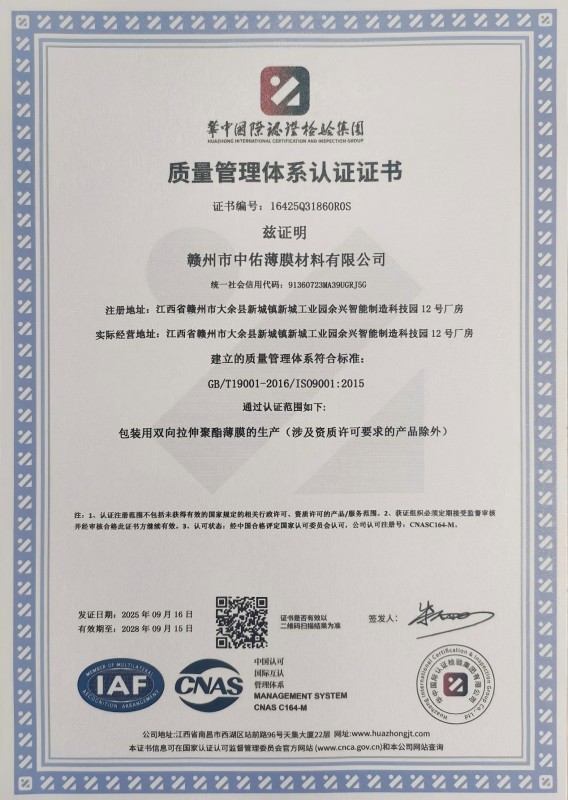
Rigorous structural testing ensuring reliable thermal stability, UV resistance, and environmental safety
Stay informed with our latest research papers and production line breakthroughs
Critical procurement intelligence for architects, sourcing directors, and design engineering firms
Connect with our engineering support desk for custom pattern replication, specific dynamic tests, or pricing for large-scale custom production projects.
Browse our verified high-durability polymer collection engineered for industrial panel processors