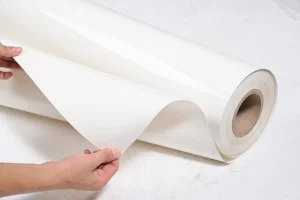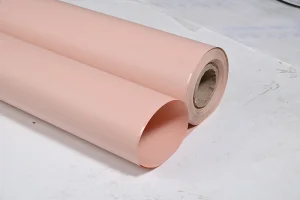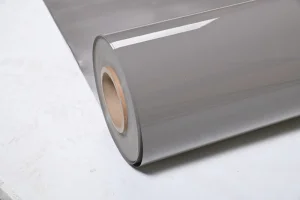
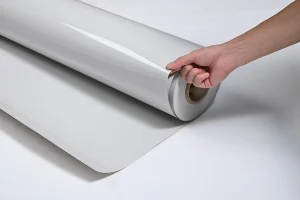

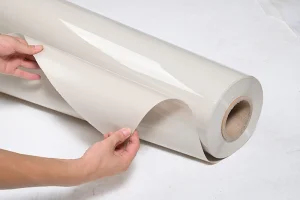
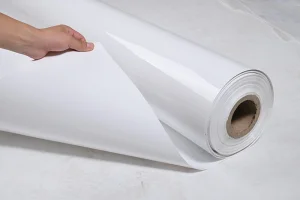
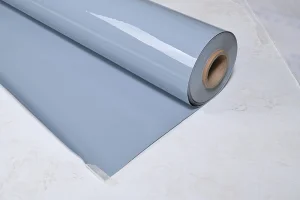
In the context of modern interior contracting and the global supply chain, sourcing these products requires navigating complex manufacturing pathways. Choosing a manufacturer that handles everything from extrusion to surface treatment is crucial. Ganzhou Zhongyou Film Material Co., Ltd. stands as an industry leader, with roots tracing back to 2005 in the functional film coating and hardening sector. By offering vertical integration from primary pellet extrusion to cleanroom precision coating, we remove supply chain variance for global distributors, wholesalers, and retail chains.
For surface lamination enterprises, the choice of material directly affects production yield. The rise of Polyurethane Reactive (PUR) flat sticking machines has changed the laminate landscape. High-performance GAG (a co-extruded three-layer film featuring PETG/APET/PETG) and pure PETG materials require exact thermodynamic profiles to ensure zero orange-peel, excellent post-forming limits, and absolute chemical resistance against household cleaners.
Specifying the correct polymer matrix is essential when drafting tenders for large residential build-outs or high-volume furniture production. Our R&D division has mapped the core structural differences that impact performance and processing.
| Film Substrate Type | Chemical Composition | Optimal Bonding Method | Tensile Strength & Hardness | UV Resistance & Weatherability | Eco-Rating & Recyclability |
|---|---|---|---|---|---|
| PETG Film | Glycol-Modified Polyethylene Terephthalate | PUR Flat Sticking / Vacuum Pressing | Excellent (2H-4H scratch-resistant coating) | High (Contains specialized UV stabilizers) | 100% Recyclable, Food-grade safe |
| GAG Film | A-PET core with PETG outer skins | PUR Flat Lamination / Profile Wrapping | High impact strength, rigid face stability | Medium-High (Optimal for indoor cabinetry) | Recyclable, Eco-safe composition |
| PVC Furniture Foil | Polyvinyl Chloride (with eco-plasticizers) | Hot Melt / Solvent Adhesive Laminations | Highly flexible, excellent stretching limits | Medium (Requires UV absorbers for stability) | Low recyclability, limited by regulations |
Our factory utilizes advanced multi-layer co-extrusion technology. By controlling the feed-block geometry during extrusion, we make sure that our GAG films maintain a precise thickness ratio. This prevents delamination under the extreme shear stresses of PUR flat paste machines, addressing a common failure point in standard tier-2 factory shipments.
B&Q adhesive films and architectural foils perform differently depending on regional climates, installation practices, and local regulations. Here is how Ganzhou Zhongyou designs films for regional markets:
In humid climates like Southeast Asia and coastal Europe, standard adhesive films suffer from edge peeling due to moisture ingress. Our PETG and GAG films are treated with a specialized hydrophobic back-coating. This matches the cross-linking chemistry of PUR adhesives, creating a moisture barrier that guarantees zero delamination for over 10 years.
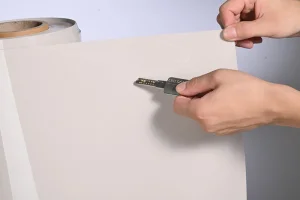
For shopping centers, airports, and public institutions, durability is key. Our hard-coated films feature surface treatments that withstand up to 3000 cycles of steel-wool abrasion. The outer polymer structure resists fingerprints, minimizing maintenance work in busy environments.
European and North American DIY markets demand zero-aldehyde, low-emission materials. Our non-toxic PETG and GAG decorative films emit no VOCs during or after application, making them perfect for fast-track modular wall assemblies and bedroom refacing projects.
A factory's manufacturing process determines the lifespan of its functional films. Below is the technical path our materials follow at our facility in Dayu, Ganzhou, Jiangxi:
We polymerize raw PETG/APET resins with custom thermal stabilizers and UV absorbers to prevent yellowing.
Our German-engineered flat-die extrusion lines yield co-extruded films with uniform thickness tolerances within ±2%.
In our Class 100,000 dust-free cleanrooms, we apply scratch-resistant, anti-fingerprint, or self-healing matte topcoats.
Double-shaft slitting machines slice jumbo rolls into target widths, preventing micro-fractures along the film edges.
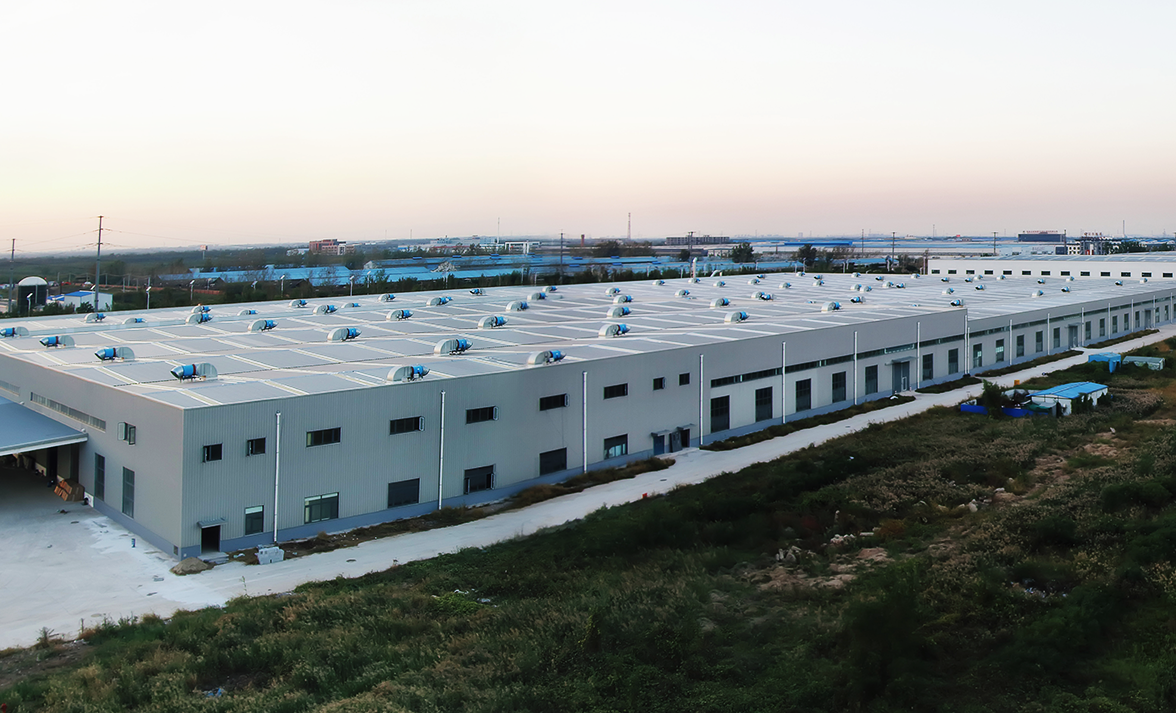
At Ganzhou Zhongyou, we believe that high product quality starts with the substrate. Our plant operates multiple high-efficiency extrusion lines running 24/7. This consistency enables us to serve global builders, interior designers, and distributors with reliable lead times and uniform quality.
Whether producing super-matte finishes with less than 3 gloss units or crystal-clear high-gloss films exceeding 95 gloss units, we calibrate tension and cooling at every step of the process.
In today's unpredictable logistics environment, reliable material supply is vital. Our plant, located in the Yuxing Intelligent Manufacturing Technology Park in Ganzhou, Jiangxi, is designed to buffer against global supply chain disruptions:
Additionally, our on-site laboratories run aging, thermal stability, and mechanical wear tests on every production run, supplying customers with complete batch testing certificates.
Partner with one of China's top functional film manufacturers. Submit your requirements below, and our engineering team will provide a tailored quote and material recommendations within 24 hours.