


Strategic Procurement of Raw Material Decoration: A Structural Paradigm Shift toward Modern Polymers
In the modern commercial interior manufacturing, wall cladding, and custom kitchen cabinet sectors, procurement leads are tasked with a critical balancing act: optimizing total cost of ownership (TCO) while securing raw materials that yield superior mechanical and aesthetic performance. The search term "Cheap Raw Material Decoration Manufacturers" highlights a clear, high-intent market demand: cost-effective sourcing of polymer films that do not compromise on key industrial parameters, including peel strength, UV stability, low VOC outgassing, and seamless compatibility with high-throughput adhesive systems like PUR flat laminators.
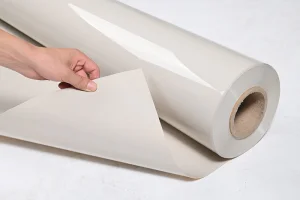
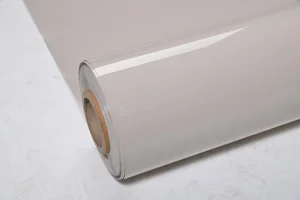
Historically, manufacturers relied heavily on traditional polyvinyl chloride (PVC) foils. However, global regulatory landscapes, shifts in consumer environmental standards, and processing requirements have driven the industry to transition toward advanced options like Polyethylene Terephthalate Glycol (PETG) and GAG (a co-extruded triple-layer film featuring PETG outer layers and a PET core). Understanding the materials science, machinery parameters, and economic benefits is essential for strategic B2B sourcing.
“Sourcing from leading manufacturers requires looking beyond the basic price per square meter. A low-cost raw material that suffers from thermal instability, low surface tension (under 38 Dyne/cm), or high shrinkage during curing will ultimately cost more in processing waste and product failures than a premium, precision-engineered polymer film.”
Macro Industry Solutions: Bridging Cost & Quality for Global Enterprise
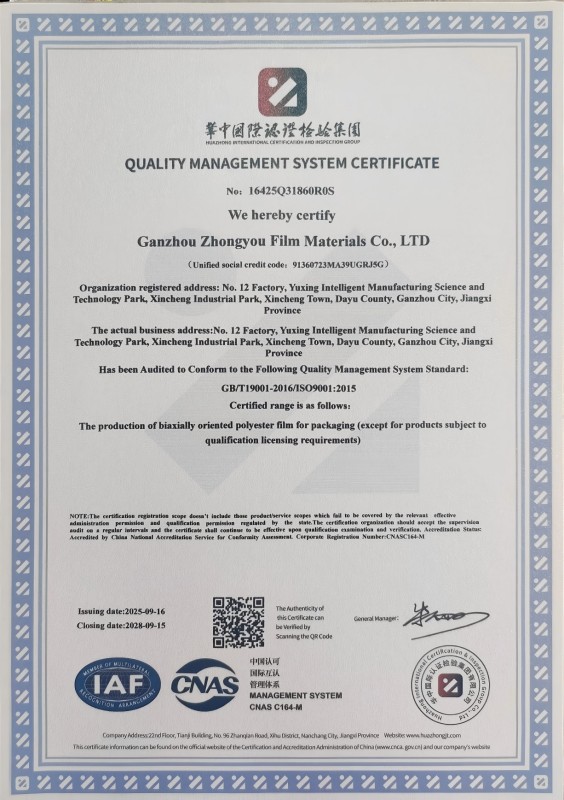
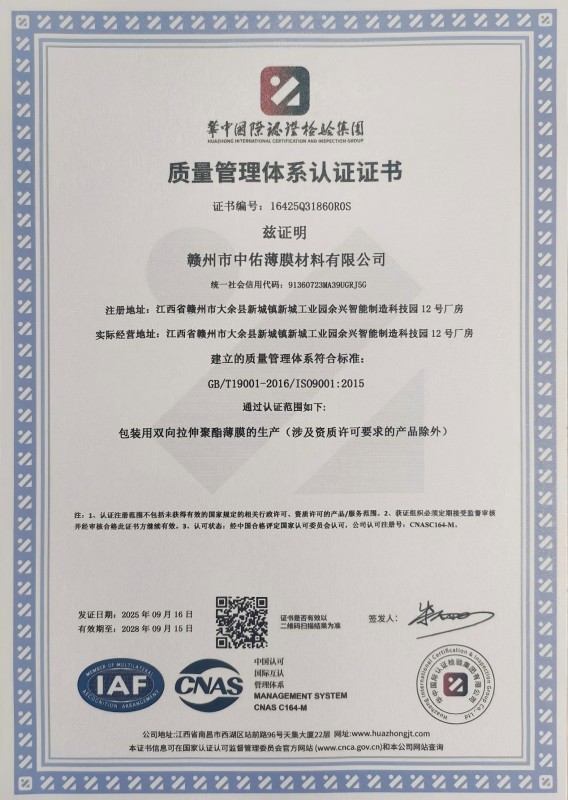
To address the global demand for affordable raw materials, next-generation decoration manufacturers must implement vertical supply integrations. By managing the process from resin extrusion to precision coating and slitting within a single site (such as Ganzhou Zhongyou Film Material Co., Ltd.’s 60,000 m² advanced facility), manufacturers can cut out middleman markups and optimize cost structures.
For large-scale furniture factories, OEM panel manufacturers, and regional distributors, this vertical integration translates into a highly competitive pricing structure. More importantly, it ensures consistent molecular weight distribution across production runs, preventing issues such as surface orange-peeling, bubbling, and delamination when processed on automated flat lamination systems.
Processing Integration: Maximizing Throughput on PUR Flat Paste Lines
When applying PETG, GAG, or high-performance PVC films onto MDF, particleboard, or mineral-based substrates, the choice of adhesive and process conditions is critical. Polyurethane Reactive (PUR) hot-melt adhesive has become the industry standard because of its high cross-linking density, moisture resistance, and heat stability.
However, successful lamination relies on the raw decorative film meeting precise physical requirements:
- Surface Energy (Dyne Level): The backside of the decorative film must be corona-treated to a minimum surface energy of 38-40 Dyne/cm. This ensures wet-out of the PUR adhesive and prevents long-term delamination.
- Thermal Shrinkage Control: Cheap, unannealed polymer films can shrink when exposed to the hot-melt temperatures of PUR application (typically 120°C to 140°C). Our films undergo controlled thermal stabilizing to keep shrinkage under 1.5% across both dimensions.
- Hard Coat Protection: Premium high-gloss and super-matte finishes feature an excimer-cured or UV-cured topcoat. This provides scratch resistance (rating ≥ 2H pencil hardness) and anti-fingerprint properties.
Global Procurement Logistics & Regulatory Compliance
For multinational furniture brands distributing in North America and Europe, regulatory compliance is a key requirement. Traditional decorative foils often contain phthalate plasticizers and heavy metal stabilizers, which run afoul of REACH, RoHS, and TSCA Title VI standards.
By shifting to PETG and GAG films, global buyers can ensure compliance. PETG is naturally phthalate-free, halogen-free, and does not release toxic chlorine gas under thermal processing or disposal conditions. This makes it an ideal raw material for green building certifications, such as LEED, and helps manufacturers meet corporate ESG targets.