Why Choose Heat Shrink Plastic Film?
Heat Shrink Plastic Film remains a practical choice for modern packaging lines. It uses controlled heat to form a tight, protective layer around products. This creates cleaner bundles, stable pallet loads, and clearer product visibility. The film can also reduce movement during storage and transport. In busy warehouses, that matters. A loose carton can become a costly problem.
Industry data supports this demand. The OECD’s Global Plastics Outlook reports that global plastics production reached 460 million tonnes in 2019, with packaging representing about 40% of use. Meanwhile, Smithers’ market research on flexible packaging identifies lightweight films and improved production efficiency as continuing industry priorities. These reports do not make shrink film automatically sustainable. That distinction matters. Material selection still depends on gauge, recycled content, packaging design, and local recovery systems. A thinner film may reduce material use, but poor machine settings can create waste through wrinkles, tears, or incomplete seals.
Heat Shrink Plastic Film also offers useful operational flexibility. It suits multipacks, bottled beverages, consumer goods, and irregular shapes. High-clarity grades improve shelf presentation. Stronger films help reduce punctures. Still, performance depends on real conditions. Product temperature, sealing equipment, storage humidity, and transport distance all influence results. One specification rarely fits every application. Careful trials are essential. A sensible choice balances protection, appearance, line speed, cost, and end-of-life options. It is effective, but not perfect. That honest view leads to better packaging decisions.
What Is Heat Shrink Plastic Film?
Heat shrink plastic film is a thin thermoplastic sheet designed to contract when heated. During manufacturing, the film is stretched in one or two directions. That orientation stores energy inside the polymer. When controlled heat reaches the film, it relaxes and tightens around an object.
Common materials include polyethylene, polyvinyl chloride, and polyolefin. Each offers different shrink ratios, clarity, strength, and sealing behavior. A packaging technician may use a heat tunnel or hot-air tool to activate the film. The correct temperature depends on the material, thickness, and equipment. Too much heat can cause holes, wrinkles, or weak seals.
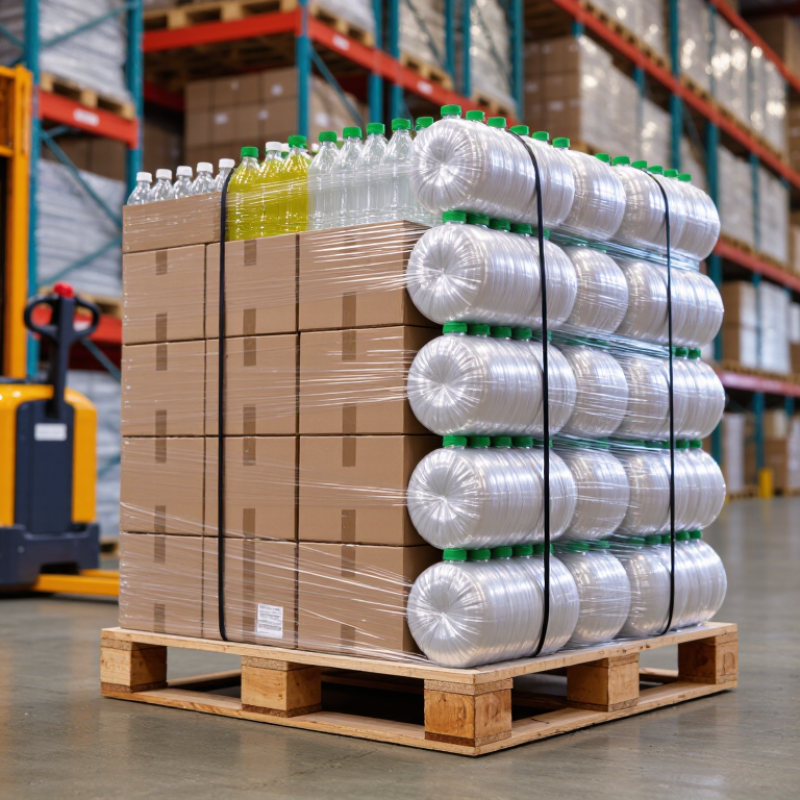
In practical work, the film can hold grouped products, protect surfaces from dust, and improve load stability. It is not a universal protective barrier. Sharp corners may puncture it, and trapped moisture can remain inside. I once assumed tighter shrinkage always meant better packaging. That was a mistake. Over-shrinking can distort labels or damage delicate contents. Reliable results come from checking the film specification, measuring the package, and testing a small sample first. Operators should also control heat exposure and use suitable ventilation. Small adjustments matter.
What Types of Heat Shrink Film Are Available?
Heat shrink film comes in several forms, and each behaves differently around a product. Polyolefin film is a common choice for retail goods because it shrinks evenly and stays clear. It works well for boxed items, small tools, and mixed product packs. A clean seal matters. Poor sealing can leave loose corners or split seams.
Polyethylene film is thicker and more flexible, so it is often used for bundling heavier items, such as bottles or building materials. It may feel less polished than thinner films, but it can handle rougher loads. PVC film can provide clear presentation and a tight fit around smaller products. However, processing conditions and workplace ventilation deserve attention; check the supplier’s handling guidance for the specific film.
Specialty options also exist, including films designed for particular temperatures, outdoor exposure, or reduced material use. I would not choose by clarity alone. Consider the product’s weight, shape, storage conditions, and the shrink equipment available. A film that looks suitable on a sample may wrinkle around sharp corners or fail on a fast production line. Test a small run first. That step can reveal problems before they affect a full shipment.
Why Choose Heat Shrink Plastic Film? — What Types of Heat Shrink Film Are Available?
Heat shrink film conforms tightly to a product when heated, helping provide secure bundling, tamper visibility, moisture resistance, and clear product presentation. The chart compares commonly used film types by their typical total shrinkage range.
Typical total shrinkage ranges are shown for comparison. Actual performance varies with film formulation, thickness, machine settings, and heating conditions.
What Benefits Does Heat Shrink Film Offer?
Why Choose Heat Shrink Plastic Film?
What Benefits Does Heat Shrink Film Offer?
Heat shrink film creates a close, protective layer around products after controlled heating. This fit reduces movement during storage and transport. In practical packaging work, a well-sealed bundle is less likely to collect dust, suffer surface scratches, or separate on a pallet. The transparent finish also keeps labels and product details visible. That matters when workers inspect cartons quickly. Some films provide strong puncture resistance while remaining lightweight. Less material can sometimes reduce packaging weight and handling effort.
The film adapts to different product shapes, including boxed goods, grouped containers, and irregular items. Proper shrink temperature and airflow are essential. Excessive heat may distort packaging, weaken seals, or damage sensitive contents. Insufficient heat leaves wrinkles and loose areas. I have found that film thickness, shrink direction, and sealing equipment must be tested together. A specification sheet alone cannot replace a trial run. Small changes in load shape can affect the final result.
Heat shrink film is useful, but it is not a universal answer. Film selection should consider protection needs, storage conditions, and recycling access. Some materials may be difficult to process through local recycling systems. That limitation deserves honest attention. Operators should also check seal strength, coverage, and film tension during production. A neat appearance is helpful, but it does not prove reliable protection. Careful testing does.
How Do You Choose the Right Heat Shrink Film?
Why Choose Heat Shrink Plastic Film?
How Do You Choose the Right Heat Shrink Film?
Start with the product and the packaging line, not a film label. Polyolefin often suits clear retail packs, while polyethylene is commonly used for heavier bundles. Film choice depends on product weight, sharp edges, required clarity, and sealing equipment. Measure the packed item at its widest points, then allow enough film for a secure seal and even shrink. A quick trial can reveal wrinkles, weak seals, or excessive heat. Small details matter.
Compare shrink performance, thickness, and strength. ASTM D2732 provides a test method for measuring free shrink properties, helping buyers compare films under defined conditions. Thicker film is not automatically tougher; test it against the product’s corners and handling conditions. Check the machine’s temperature range and line speed, too. Not every line behaves alike. A test run can still surprise you.
Consider end-of-life options before ordering large quantities. The US Environmental Protection Agency reported that containers and packaging generated 82.2 million tons of municipal solid waste in 2018, or 28.1% of the total. That figure covers all packaging, not shrink film alone, but it shows why material choices deserve scrutiny. Confirm whether local facilities accept the selected film, and verify any food-contact requirements that apply to your product. Some assumptions only become clear after a real production trial.
Why Choose Heat Shrink Plastic Film? — How Do You Choose the Right Heat Shrink Film?
| Film Type |
Typical Applications |
Key Advantages |
Considerations |
How to Choose It |
| Polyolefin (POF) |
Retail products, food multipacks, books, toys, and consumer goods |
Clear appearance, good puncture resistance, and a relatively soft, flexible package; commonly available in center-folded and single-wound formats |
Requires suitable heat-shrink equipment and careful temperature control; film performance varies by formulation and thickness |
Choose POF when product visibility, a neat retail finish, and flexible packaging are priorities |
| Polyethylene (PE) |
Bundling beverages, cans, boxes, and other heavier products |
Strong, durable, and commonly used for larger or heavier multipacks; available in a range of film thicknesses |
Often produces a less glossy, less tightly conforming finish than thinner retail-oriented films; package strength depends on film gauge and pack design |
Choose PE when load containment and bundle strength matter more than a very close-fitting retail presentation |
| Polyvinyl Chloride (PVC) |
Some non-food retail items, gift packaging, and tamper-evident sleeves |
Can provide good clarity and a tight shrink finish in suitable applications |
Check applicable regulations, end-use requirements, and local recycling guidance; heating PVC can release hazardous decomposition products if overheated |
Consider PVC only when it is suitable for the product, equipment, and local requirements, and when process controls prevent overheating |
| Cross-linked Polyolefin |
Products needing increased toughness, package integrity, or resistance to punctures |
Cross-linking can improve strength and hot-temperature performance compared with comparable non-cross-linked films |
May cost more and can require specific machine settings; confirm compatibility with the sealing and shrink equipment |
Choose it when standard POF does not provide enough durability for the product or distribution conditions |
| Shrink Sleeve Film |
Full-body or partial labels for bottles, containers, and shaped products |
Can conform around complex shapes and provide broad label coverage |
Requires sleeve design, accurate sizing, and suitable application equipment; material choice depends on container and recycling system |
Choose a sleeve when the goal is product labeling or decoration rather than bundling products together |
| Selection note: Shrink performance depends on the film formulation, thickness, package shape, sealing method, and equipment. Confirm the supplier’s technical data and conduct a production-line trial before selecting final settings or specifying a film. |
Conclusion
Heat Shrink Plastic Film is a flexible packaging material that tightens around a product when exposed to controlled heat. It is made from polymers designed to contract as they warm, creating a neat, close-fitting layer. Depending on the material and application, the film may be supplied in different thicknesses, strengths, and formats, including options suited to single items or grouped products.
Its snug fit can help protect items from dust, moisture, scuffs, and shifting during handling, while also giving packages a tidy appearance. Choosing the right film means considering the product’s size, shape, weight, sensitivity to heat, and storage or transport conditions. It is also important to match the film’s strength and shrink characteristics to the packaging equipment and process. With an appropriate selection and careful application, heat shrink film can provide practical, efficient packaging for a wide range of everyday products.