
10 Best PETG Roll Suppliers for Global Buyers?

Time:2026-09-16 Author:Henry
0%

Choosing a reliable Petg Roll supplier can shape product quality, production speed, and customer trust. Global buyers must examine more than catalog prices. Thickness consistency matters. So does clarity.

A dependable supplier should provide technical data, production samples, and batch traceability. Buyers should check roll width, winding tension, surface finish, impact strength, and thermoforming performance. Packaging also deserves attention. A damaged roll can develop edge dents, moisture exposure, or uneven unwinding during transport.

Materials consultant Dr. Lena Morris states, “A strong Petg Roll supplier proves consistency before asking for a large purchase.” This practical view supports a careful sourcing process. Buyers should compare factory experience, quality-control equipment, export history, minimum order quantities, and realistic lead times. Certifications may help, but documents alone cannot replace a physical sample.

The suppliers discussed in this guide serve different global purchasing needs. Some focus on competitive pricing. Others offer custom dimensions, faster delivery, or stronger technical support. A few may appear impressive online, yet respond slowly to basic questions. That is a warning sign.

Not every supplier will fit every application. This is easy to overlook.

The final selection should reflect the buyer’s machinery, market, budget, and risk tolerance. Request samples before approving production. Test them under actual forming conditions whenever possible. Compare results carefully, even when the differences seem small. A lower price can become expensive after rejected rolls, delayed containers, or unstable processing. This guide offers a practical starting point, not a permanent verdict. Supplier performance can change, and buyers should review it regularly.
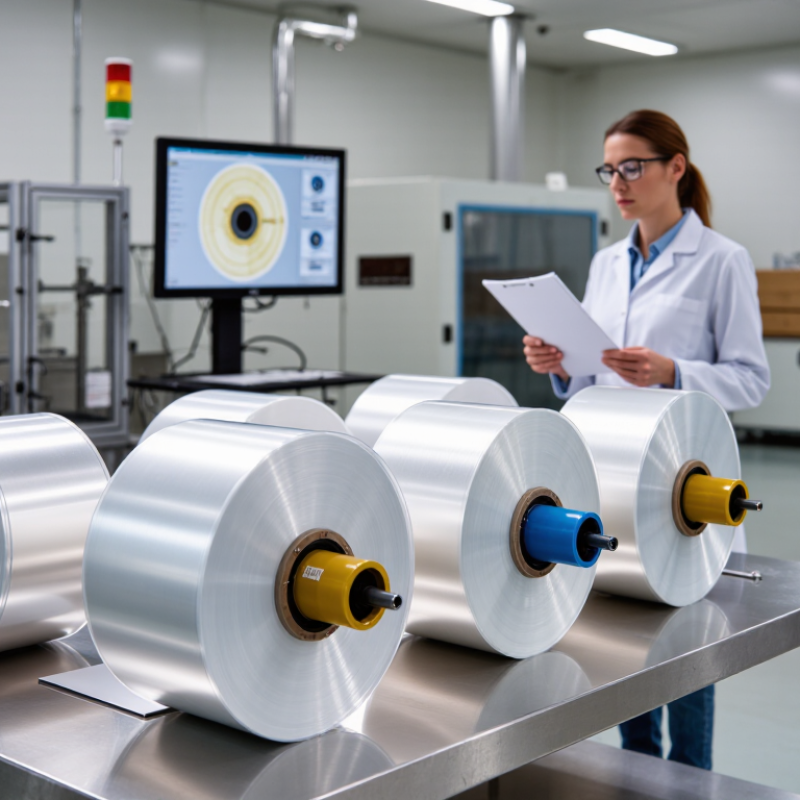
10 Best PETG Roll Suppliers for Global Buyers?

What Makes a PETG Roll Supplier Reliable for Global Buyers

A reliable PETG roll supplier starts with repeatable material performance. Buyers should ask for resin details, thickness tolerance, width range, and forming temperature data. A clear technical sheet matters more than polished sales language. Samples should match a stated production batch. Otherwise, the sample proves little.

For global orders, documentation is part of product quality. The supplier should provide lot numbers, inspection records, and certificates relevant to the destination market. Packaging must protect rolls from moisture, dust, edge damage, and shifting during ocean transport. Export teams should explain lead times honestly, including possible port delays. Good communication is measurable. Questions receive specific answers, not vague promises.

Reliable suppliers also support controlled problem-solving after shipment. They should investigate curling, haze, uneven winding, or thickness variation with production data. Replacement policies need written conditions. Payment terms and minimum order quantities should be transparent. I have found that fast replies can still hide weak technical knowledge. That deserves a second check. Factory audits, video inspections, and independent testing reduce this risk, though they cannot remove it. A thoughtful buyer compares several batches before approving long-term supply. Small flaws sometimes reveal more than a perfect presentation.

Key Criteria for Evaluating PETG Roll Quality and Supplier Capability

PETG roll quality depends on measurable details, not attractive samples or polished sales language.

During factory evaluations, I check thickness variation across the roll, surface haze, gloss, clarity, and visible gel marks. A reliable roll should unwind evenly, without telescoping edges or loose layers. Even a small thickness deviation can affect forming, printing, and material yield.

Supplier capability requires documented control. Ask for a current certificate of analysis, production batch records, and test results for tensile strength, shrinkage, and moisture content. Confirm whether inspection equipment is calibrated and whether rejected rolls are traceable. A capable supplier should explain its extrusion settings, cooling process, winding tension, and storage conditions in practical terms. Trial rolls should match the agreed specification, not merely look acceptable under showroom lighting.

Logistics also reveal supplier maturity. Check core dimensions, roll weight limits, protective packaging, export documents, and realistic lead times. Request samples from different production dates when possible. One sample can hide process variation. I once accepted a visually clean roll that later showed uneven winding during high-speed processing. That mistake was avoidable. Price still matters, but a lower quote becomes expensive when defects stop a production line. Reliable suppliers communicate problems early, provide corrective evidence, and support testing after delivery.

Profiles of the 10 Best PETG Roll Suppliers Worldwide

Profiles of the 10 Best PETG Roll Suppliers Worldwide

Global buyers need more than attractive pricing when selecting PETG roll suppliers. Grand View Research valued the global plastic films market at approximately USD 94.51 billion in 2023. This broader figure shows strong demand, but PETG data is often grouped with other polyester materials. Supplier 1 focuses on stable extrusion for retail packaging. Supplier 2 offers narrow rolls for digital printing. Supplier 3 serves thermoforming converters with wider formats. Supplier 4 emphasizes recycled-content development, although availability may vary by region.

Supplier 5 provides medical-grade documentation and controlled production records. Supplier 6 supports custom thicknesses, from thin display film to heavier forming stock. Supplier 7 maintains regional warehouses, which can shorten replenishment times. Supplier 8 specializes in high-clarity rolls for displays and protective packaging. Supplier 9 targets smaller buyers with flexible minimum order quantities. Supplier 10 combines export experience with private-label converting services. Each profile should be checked against current certificates, test reports, and production samples.

Smithers’ packaging research continues to highlight downgauging and recyclable structures as major industry priorities. These trends make thickness tolerance and recovery performance important purchasing questions. Ask for haze, tensile strength, shrinkage, and roll-winding results. Do not rely only on a brochure. One weakness remains: public reports rarely separate PETG from wider polyester categories. Lead times can also change quickly. A practical evaluation should compare three samples under identical forming or printing conditions. gagi /human?

How to Compare Pricing, Certifications, Customization, and Lead Times

Global buyers should compare PETG roll suppliers through landed cost, not quoted price alone. A lower offer may exclude tooling, export packaging, testing, or inland freight. Mordor Intelligence’s PET film market analysis projects continued growth through 2029, increasing pressure on resin and conversion capacity. Ask for a price breakdown by thickness, width, core size, order quantity, and delivery term. Request a recent sample roll. Check haze, tensile strength, shrinkage, and sealing performance in your own process.

Certifications need careful verification. A supplier should provide traceable certificates for food-contact use, chemical compliance, and quality management. ISO 9001 supports process control, but it does not prove product safety. Request the certificate number, issuing body, scope, and expiry date. The U.S. FDA’s food-contact framework and EU Regulation 10/2011 use different compliance routes. One certificate may not cover every destination. That detail matters.

Customization can include color, surface treatment, corona level, embossing, and printed markings. Confirm whether modifications require new tooling. Lead times should show approval, production, inspection, and shipping separately. Industry surveys from the International Trade Centre show logistics disruptions can materially affect delivery reliability. Build a buffer. A supplier promising seven days may still need three weeks after approval. I have seen buyers compare only factory lead time, then miss launch dates. That mistake is easy to repeat. Ask for on-time delivery records, batch samples, and a written replacement process for nonconforming rolls.

Practical Steps for Selecting and Importing the Right PETG Roll Supplier

PETG roll purchasing should begin with the application, not a supplier’s catalog. Record the required thickness, width, roll length, core diameter, surface finish, and acceptable color variation. For thermoforming, request data on clarity, impact strength, heat resistance, and forming temperature.

Ask for a recent certificate of analysis, safety data sheet, and batch traceability. Do not rely on a polished sample alone. Test several meters under your actual line settings. Measure haze, thickness consistency, edge quality, winding tension, and feeding performance.

A small trial can expose curling or blocking that a showroom sample hides. That mistake is common.

Evaluate suppliers through documented production capacity, quality controls, and export experience. Confirm whether inspection occurs before packing and whether retained samples are available. Check references from buyers using similar equipment and roll specifications.

Clear communication matters when specifications change. Ask who pays for rework, replacement, or inspection if a batch fails. For importing, verify the commercial invoice, packing list, certificate of origin, transport documents, and product classification with qualified customs professionals.

Confirm Incoterms, payment milestones, insurance, and port handling responsibilities in writing. Packaging deserves attention. Use moisture protection, rigid edge guards, and labels showing batch number, net weight, and roll direction.

Wooden components may require treatment documentation, depending on the destination.

Compare total landed cost rather than the quoted roll price. Include freight, duties, brokerage, testing, storage, and possible production waste. A supplier offering the lowest price may create expensive downtime.

Set measurable acceptance limits before the purchase order. Include thickness tolerance, appearance standards, core dimensions, delivery window, and claims procedure. Keep written records of approvals and changes.

Do not skip a pilot shipment. It feels slower, but it protects the larger order.

No checklist is perfect. Weak points can remain, even after careful checks.

FAQS

What quality features should a PETG roll have?

Check thickness variation, haze, gloss, clarity, gel marks, and edge condition. The roll should unwind evenly. Loose layers and telescoping edges indicate possible winding problems. Small thickness changes can affect forming, printing, and material yield.

Which documents should a PETG roll supplier provide?

Request a current certificate of analysis, batch records, and test results. Useful tests include tensile strength, shrinkage, moisture content, and sealing performance. Ask for calibration records and rejected-roll traceability. Documents matter more than polished samples.

How can buyers verify a supplier’s production capability?

Ask about extrusion settings, cooling methods, winding tension, and storage conditions. Confirm available capacity and inspection procedures. Check whether retained samples are available after production. Practical answers reveal more. Sometimes, they do not.

How should PETG roll samples be tested?

Test several meters using your actual machine settings. Measure haze, thickness consistency, edge quality, winding tension, and feeding performance. Check for curling, blocking, and uneven unwinding. A clean sample can still fail during high-speed processing.

How should buyers compare PETG roll prices?

Compare total landed cost, not only the quoted roll price. Include tooling, packaging, freight, duties, brokerage, testing, storage, and production waste. Request a breakdown by thickness, width, core size, quantity, and delivery term. The cheapest quote may create costly downtime.

What certifications should buyers verify?

Request certificates for intended food-contact use, chemical compliance, and quality management. Check the certificate number, issuing body, scope, and expiry date. One certificate may not cover every destination. Verify requirements for the specific market.

What customization details require confirmation?

Customization may include color, surface treatment, corona level, embossing, or printed markings. Ask whether changes require new tooling or approval samples. Record acceptable color variation and surface standards. Customization can extend the schedule.

How can buyers reduce delivery and import risks?

Separate approval, production, inspection, and shipping times in the schedule. Build a realistic buffer for logistics disruptions. Confirm invoices, packing lists, origin documents, transport papers, and product classification. Write down Incoterms, insurance, payment milestones, and port responsibilities. Do not skip a pilot shipment.

Conclusion

Choosing the right Petg Roll supplier is essential for global buyers seeking consistent quality, efficient production, and dependable international delivery. A reliable supplier should provide clear material specifications, stable thickness and transparency, strong surface performance, accurate packaging, and quality-control records. Buyers should also evaluate production capacity, communication, export experience, certifications, customization options, minimum order quantities, pricing transparency, and lead times. Comparing these factors together offers a more realistic view of overall supplier value than focusing on price alone.

This article presents a practical framework for reviewing ten leading types of Petg Roll suppliers without relying on brand names. It explains how to compare product quality, technical support, certification documentation, payment terms, logistics coordination, and sample policies. Before placing an order, buyers should define their application requirements, request samples and test reports, confirm production and shipping schedules, verify import documentation, and clarify procedures for handling quality issues. A structured evaluation process can reduce purchasing risks and support long-term supply relationships.

Henry

Henry

Henry is a dedicated marketing professional with a profound expertise in the company's offerings. With years of experience in the industry, he possesses an impressive understanding of the market dynamics and consumer behaviors that drive success. Henry is committed to sharing his insights through......