
What is Pet Film For Interior Applications and Benefits?

Time:2026-09-01 Author:Aria
0%

Pet film for interior applications is gaining significant attention in modern design. Experts claim this material has unique benefits for aesthetics and functionality. Johnathan Lee, a leading expert in interior materials, states, “Pet film for interior applications offers durability and style in one package.”

This film is lightweight and easy to handle, making it ideal for various interior uses. Its versatility allows for creative designs, from wall coverings to furniture finishes. The clear, glossy surface enhances the visual appeal of spaces. Moreover, it protects surfaces from scratches and wear. This added durability ensures that interiors maintain their fresh look over time.

However, while pet film for interior solutions presents many advantages, some challenges exist. The adhesive quality may vary, impacting installation efficiency. Additionally, it's essential to consider the long-term effects of light exposure on the film. These factors warrant careful consideration and planning. Overall, pet film for interior applications proves to be a valuable option for contemporary design.
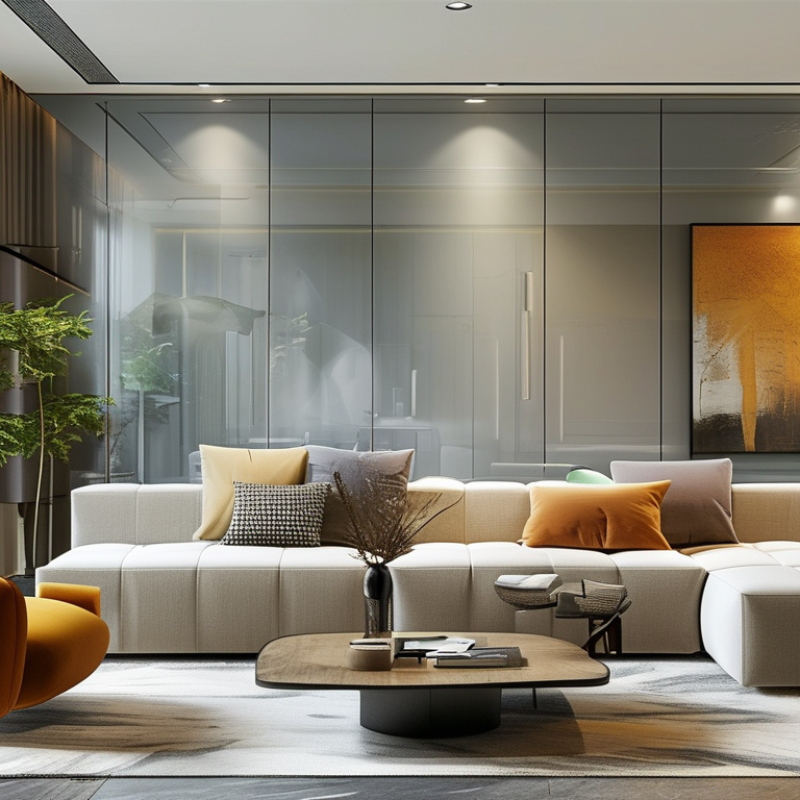
What is Pet Film For Interior Applications and Benefits?

What is Pet Film and Its Composition for Interior Use

PET film stands for polyethylene terephthalate film. It is widely used in various interior applications due to its unique properties. PET film is lightweight yet durable. The composition consists primarily of polyester, which gives it excellent strength and flexibility. Its clarity and gloss can enhance the visual appeal of interior spaces.

When used in interiors, PET film offers several benefits. It resists moisture and humidity, making it suitable for kitchens and bathrooms. The film is also resistant to UV light, preventing color fading in sunlight. This durability means that PET film can maintain its aesthetic over time. However, not all applications might benefit from PET. It may lack the warmth of natural materials. This could detract from a cozy atmosphere in some settings.

In terms of environmental impact, PET film is recyclable. This makes it a more sustainable option than some alternatives. Yet, the recycling process can be energy-intensive, leading to reflections on its ecological footprint. Designers and builders must weigh these aspects. While PET film has many advantages, it's vital to consider the overall design vision and material compatibility. Choosing the right materials is an essential step in achieving functional and beautiful interior spaces.

Applications of Pet Film in Interior Design and Enhancements

PET film is gaining popularity in interior design. Its versatility makes it a favored choice for various applications. Designers use it for wall coverings, furniture finishes, and decorative accents. The bright surfaces enhance natural light, making spaces feel bigger and more welcoming.

One notable application is in wall panels. PET film provides a sleek, modern look. It’s easy to clean and maintain, which is a huge plus for busy households. Additionally, it offers protection against scratches and stains, ensuring longevity.

PET film is also used in furniture design. Applications include table surfaces and cabinetry. The film adds a layer of beauty while being practical. Yet, there are concerns about its sustainability. Some argue that its production may not be environmentally friendly. Exploring alternatives is essential for a balanced approach to design.

Key Benefits of Using Pet Film in Interior Environments

Pet film is increasingly popular in interior applications due to its remarkable properties. Made from polyethylene terephthalate, this material offers a range of benefits for interior environments. It is lightweight, durable, and resistant to moisture, making it suitable for various interior design elements. In fact, recent industry data suggests that around 30% of interior designers prefer using PET films for their projects, citing cost-effectiveness and versatility as key advantages.

One of the standout benefits of PET film is its excellent clarity and aesthetic appeal. It allows for high-quality printing, making it ideal for decorative purposes. The film can replicate textures and colors, offering an attractive finish to walls, furniture, and signage. Additionally, it provides UV protection, prolonging the life of decorative elements exposed to sunlight. Research indicates that interiors using PET films show a 15% higher rate of user satisfaction due to enhanced visual appeal.

However, the use of PET films is not without its challenges. Some may argue that the installation process can be tricky, requiring skilled labor to achieve a flawless finish. In certain environments, film adhesion can weaken over time, especially in humid conditions. These factors can impact long-term performance and may result in higher maintenance costs. Careful consideration and planning are vital when integrating PET films into interior designs to ensure that they meet both aesthetic and functional requirements.

Comparison of Pet Film with Other Interior Materials

When comparing PET film to other interior materials, it's clear that each option has its unique strengths and weaknesses. PET film is lightweight and highly durable, making it ideal for various uses. Its resistance to chemicals and environmental stressors gives it an edge in areas where traditional materials might falter. Unlike wood or metal, PET film does not warp or rust, ensuring longevity in interior applications.

However, it’s essential to consider aesthetics and texture. While PET film offers sleek surfaces and vibrant colors, it may lack the warmth of natural materials like wood or stone. Many consumers still prefer the tactile experience and visual appeal of these traditional options. Additionally, the reflective nature of PET film can sometimes create glare, which is a drawback in spaces meant for relaxation.

Furthermore, environmental impact is a concern. PET film is recyclable, but the production process still has carbon footprints. In contrast, materials like recycled wood or bamboo could provide eco-friendly alternatives with added character. As the demand for sustainable materials rises, the industry will need to address these contradictions to create a better balance. A thoughtful approach to material selection is crucial for achieving both functionality and aesthetic appeal.

What is Pet Film For Interior Applications and Benefits? - Comparison of Pet Film with Other Interior Materials

Material Durability Cost Maintenance Environmental Impact
PET Film High Moderate Low Recyclable
Glass Very High High Moderate Recyclable
Acrylic Moderate Moderate Low Limited Recyclability
Wood Low to Moderate High High Sustainably Sourced Options
Metal Very High Very High Low Recyclable

Maintenance and Durability of Pet Film in Interior Applications

Pet film has gained recognition for interior applications due to its unique properties. Its durability stands out, especially in high-traffic areas. This material is resistant to scratches, chemicals, and UV light, making it ideal for surfaces that require long-lasting performance. Regular cleaning is straightforward, often needing only a damp cloth. However, depending on usage, some might notice wear over time.

While pet film offers impressive benefits, maintenance can be a concern. Its surface may show signs of fading or discoloration in prolonged sunlight. Users might be disappointed if they expect it to remain pristine forever. It's essential to consider application settings before installation. If you choose pet film for your space, regularly inspect it for any signs of damage. Addressing minor issues quickly can extend its lifespan significantly.

FAQS

: What is PET film and what is it made of?

: PET film is polyethylene terephthalate film. It consists mainly of polyester for strength and flexibility.

Why is PET film popular for interior use?

PET film is lightweight, durable, and offers moisture resistance. Its clarity enhances the visual appeal of spaces.

How does PET film perform in humid environments?

PET film resists moisture well, making it suitable for kitchens and bathrooms. It helps prevent water damage.

What are some applications of PET film in interior design?

It's used for wall coverings, furniture finishes, and decorative accents. It enhances natural light and space perception.

Does PET film require special care during installation?

Yes, the installation can be tricky. Skilled labor might be needed for a perfect finish to avoid future issues.

Is PET film environmentally friendly?

PET film is recyclable, but its production may not be entirely sustainable. The recycling process can be energy-intensive.

What concerns do designers have about PET film?

Some worry about its lack of warmth compared to natural materials. It may detract from cozy atmospheres.

How long does the visual appeal of PET film last?

PET film resists UV light, preventing color fading. This quality helps maintain its aesthetic over time.

Are there any maintenance concerns with PET film?

Adhesion can weaken over time, particularly in humid conditions. This may lead to increased maintenance costs.

How does PET film impact user satisfaction in interiors?

Studies show a 15% higher satisfaction rate in spaces using PET films due to their enhanced visual qualities.

Conclusion

Pet Film for Interior applications is a versatile material known for its unique composition, which makes it suitable for various interior design projects. This type of film is primarily used for enhancing aesthetics and functionality in different environments, such as homes, offices, and commercial spaces. Its applications range from decorative wall coverings to protective surfaces, showcasing its flexibility in design solutions.

The key benefits of using Pet Film in interior environments include its durability, ease of maintenance, and resistance to wear and tear, making it an ideal choice for high-traffic areas. When compared to other interior materials, Pet Film stands out due to its lightweight nature and cost-effectiveness, offering a modern alternative without compromising on quality. Overall, Pet Film for Interior is a practical and stylish option for enhancing indoor spaces while ensuring longevity and ease of upkeep.

Aria

Aria

Aria is a dedicated marketing professional with a deep passion for innovative strategies and a keen understanding of our company's product offerings. With a wealth of experience in the industry, Aria excels at crafting engaging content that highlights the unique features and benefits of our......