Choosing Plastic Tint Film for global sourcing requires more than comparing prices on a supplier spreadsheet. The film may look identical in online photographs, yet differ in thickness, visible light transmission, adhesive strength, and color stability. A reliable sourcing decision connects product performance with real installation conditions. Consider climate, glass type, transport distance, and expected service life before requesting quotations. Small details matter.
An experienced buyer should ask for technical datasheets, production samples, and batch-level test records. Useful checks include haze, UV rejection, infrared performance, shrinking behavior, and adhesion after temperature changes. Request samples from the same production line proposed for mass orders. A polished sample from another batch proves very little. That point is easy to miss. Supplier audits can also reveal storage problems, inconsistent coating processes, or weak packaging protection.
Global purchasing adds another layer of responsibility. Specifications should align with the destination market, the intended vehicle or building application, and applicable safety and environmental requirements. Confirm labeling, documentation, warranty terms, and traceability before signing a contract. Independent laboratory testing can strengthen confidence when claims appear unusually high. Still, testing is not a substitute for practical installation trials. Film that performs well in a laboratory may wrinkle beside a hot dashboard or peel from poorly prepared glass. Buyers should compare total landed cost, not only the unit price. A cheaper roll can become expensive after rejects, delays, and customer complaints. This guide examines how to balance performance, supplier credibility, compliance awareness, and commercial risk when sourcing Plastic Tint Film across international markets.
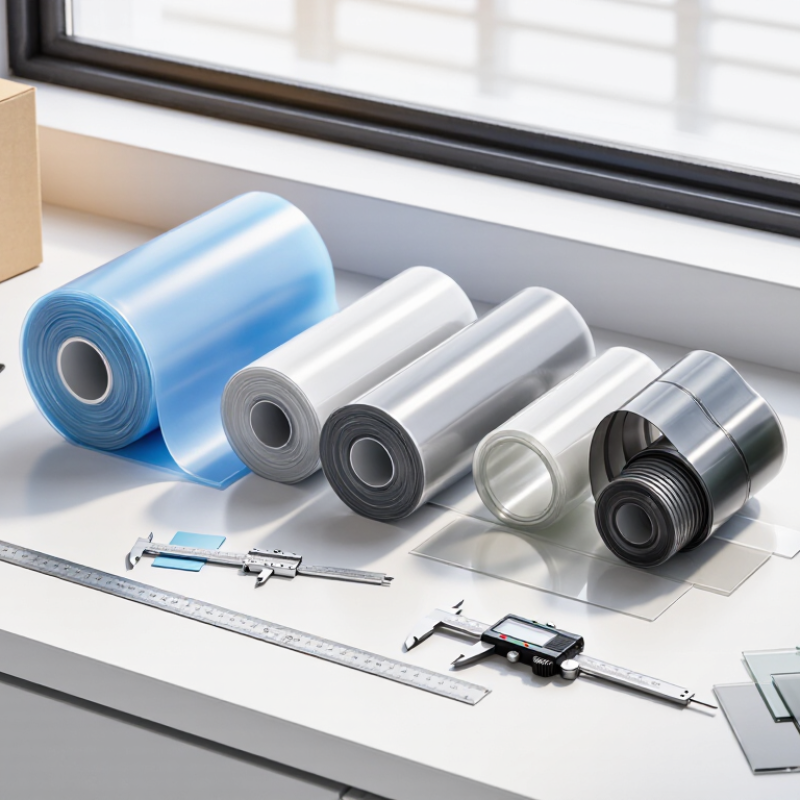
Define Plastic Tint Film Types and Their Core Functions
How to Choose Plastic Tint Film for Global Sourcing?
Define Plastic Tint Film Types and Their Core Functions
Plastic tint film is a thin polymer layer applied to glass, usually for vehicles, buildings, and interior partitions. Its core functions include reducing glare, limiting solar heat, filtering ultraviolet light, and improving visual privacy. The correct type depends on the glass, climate, installation method, and local light-transmission rules.
Dyed film uses colorants to reduce brightness and provide basic privacy. It is usually economical, but its color may fade with prolonged sunlight.
Metallized film contains reflective particles that improve heat rejection and durability. However, it can interfere with wireless signals in some applications.
Carbon film offers a darker appearance and stable heat control without a metallic layer.
Ceramic film uses nonconductive particles for strong infrared reduction, clear visibility, and better signal compatibility. It normally costs more.
No film does everything well.
During sourcing, request samples with measured thickness, visible-light transmission, ultraviolet rejection, and infrared performance. Compare the film beside clear glass under direct sunlight. A dark sample may look impressive, yet darkness does not always mean better heat control. Check adhesive clarity, liner quality, edge stability, and resistance to bubbles after installation. Ask for independent test reports when available, and confirm whether the data applies to the finished glass system.
Real projects can expose weaknesses that laboratory figures miss. A supplier may describe a product as “high performance” without explaining testing conditions. That wording deserves questions. Review packaging, storage temperature, installation instructions, and after-sales response before placing a global order.
Match Film Properties to Climate, Glazing, and Vehicle Requirements
Choosing plastic tint film for global sourcing starts with climate, not shade. In hot, sunny regions, prioritize solar heat rejection, infrared control, and stable adhesive performance. The U.S. Department of Energy reports that windows can account for 25–30% of residential heating and cooling energy use. That figure makes glazing performance a practical sourcing issue.
Match the film to the glass. Double glazing, laminated glass, tempered glass, and low-emissivity coatings may react differently to absorbed heat. Request compatibility testing, optical data, haze measurements, and warranty conditions from suppliers. A darker shade is not automatically better. It may reduce cabin glare, but it can also lower visible light transmission and create night-driving concerns. Check local requirements before approving specifications.
Vehicles add another layer. The U.S. Department of Energy states that air conditioning can reduce fuel economy by more than 25% under certain hot-weather conditions. A well-selected film may reduce cabin heat and cooling demand, but results depend on glass area, vehicle color, ventilation, and installation quality. For export programs, test samples inside actual vehicle models. Inspect the rear defroster area, edge adhesion, and color stability after heat and humidity exposure. I would not treat a supplier datasheet as final proof. One sourcing mistake is trusting laboratory numbers without field testing. That deserves more caution.
Evaluate Light Control, Heat Rejection, and UV Protection
When sourcing plastic tint film, start with the window’s daily light conditions, not the darkest sample. A south-facing office may need stronger glare control than a shaded warehouse. Ask suppliers for visible light transmission data and compare samples beside the actual glass. Numbers help, but samples reveal color shifts, reflections, and nighttime visibility. Keep it practical.
Heat rejection requires more than a dark appearance. Request solar energy rejection, total solar transmittance, and infrared performance data from an independent test report. A very dark film can reduce glare yet still leave a room warm if its construction is poor. During one project, I judged a sample by touch and misread its performance; measured surface temperatures told a different story. Check the glass type too, since some films may increase thermal stress on certain units.
UV protection should be verified separately, not assumed from tint darkness. Look for tested UVA and UVB reduction, plus stated performance after aging. This matters in homes, showrooms, and archives where fabrics and printed surfaces fade near windows. For global sourcing, confirm test methods, thickness tolerance, adhesive clarity, and packaging quality. Documents can be incomplete. Ask direct questions, and record every answer before comparing quotations. A lower price may reflect weaker testing, not better purchasing value.
Check Global Compliance, Quality Standards, and Supplier Capabilities
How to Choose Plastic Tint Film for Global Sourcing?
Global sourcing starts with compliance, not color. A tint film may pass one market’s rules and fail another’s chemical limits. Check REACH, RoHS, packaging requirements, and local vehicle or building standards. Requirements depend on the film’s polymer, additives, adhesive, and intended use. Ask suppliers for current declarations, safety data sheets, and traceable batch records. Do not accept copied certificates.
Quality testing should match the application. ASTM D1003 can measure haze and light transmission. ASTM D882 evaluates tensile strength. ISO 4892-3 helps assess resistance to artificial weathering. Request test reports from laboratories accredited to ISO/IEC 17025. PlasticsEurope reported global plastics production reached 413.8 million tonnes in 2023. That scale increases pressure for documented material control and responsible sourcing. Still, one report cannot prove durability in your climate.
Supplier capability needs physical verification. Review coating-line controls, thickness tolerance, color consistency, and adhesive storage conditions. Request samples from three production batches, not only a polished showroom roll. Measure them after heat, humidity, and ultraviolet exposure. A perfect sample can hide weak process control. I have seen specifications look precise, yet edge curl appeared after installation. That deserves investigation. Also examine complaint records, corrective-action procedures, production capacity, and backup raw-material sources. A low price is not a quality strategy.
How to Choose Plastic Tint Film for Global Sourcing?
Global compliance and quality verification should cover the complete solar spectrum. The chart shows the wavelength span of the main bands used when evaluating tint-film transmission, reflection, heat control, and UV protection.
Sourcing guidance: Request independent test data for visible light transmittance, ultraviolet transmission, solar-energy transmittance, reflectance, and haze. ISO 9050 is commonly used for glazing optical properties, while ASTM E903 is used for solar absorptance, reflectance, and transmittance measurements. Confirm that the supplier can provide traceable samples, batch inspection records, weathering results, adhesive compatibility data, and documentation required in the destination market. The wavelength bands shown are physical reference ranges, not product-performance claims.
Compare Costs, Shipping Factors, and Long-Term Product Performance
When sourcing plastic tint film globally, compare the delivered cost, not only the factory quote.
A low unit price can hide higher tooling, inspection, and packaging charges. Ask for a clear quotation based on film width, thickness, roll length, and minimum order quantity. For example, a 1.5-metre roll may require stronger cartons and more warehouse space. That can change the final price quickly. I once underestimated local delivery fees and lost much of the expected saving.
Shipping conditions also affect product performance. Sea freight usually costs less, but long exposure to heat and humidity may affect adhesive stability. Air freight is faster, yet its price can damage your margin. Request moisture-resistant packaging, batch labels, and pre-shipment samples. Check whether the film arrives flat, clean, and free from edge damage. Small defects become expensive during installation. They also create customer complaints.
Tips:
Compare at least three full landed-cost quotations. Include freight, insurance, duties, testing, storage, and inland transport. Ask suppliers for technical data on visible light transmission, UV resistance, shrinkage, and adhesive aging. Test samples through hot, cold, and humid conditions before placing a large order. Do not trust one attractive sample. My earlier testing was too short, and the adhesive weakened after repeated temperature changes. That mistake changed my sourcing checklist. Track performance for several months when possible, because a cheaper film may require earlier replacement.
FAQS
Hot, sunny regions need strong solar heat rejection and infrared control. A stable adhesive also matters. Test performance in local heat.
No. A darker film may reduce glare but lower visible light transmission. Night driving can become harder. Check local requirements before approval.
Match the film with double, laminated, tempered, or low-emissivity glass. Request compatibility tests, optical data, and haze measurements. Glass types react differently.
Test samples inside actual vehicle models. Inspect rear defroster areas, edge adhesion, and color stability. Use heat and humidity exposure. A datasheet is not final proof.
It may reduce cabin heat and air-conditioning demand. Results depend on glass area, vehicle color, ventilation, and installation quality. Field results can vary.
Compare the full delivered cost, not only the factory quote. Include freight, insurance, duties, testing, storage, and inland transport. A low unit price can mislead.
Sea freight usually costs less but exposes rolls to heat and humidity longer. Air freight is faster but may reduce profit margins. Request moisture-resistant packaging and batch labels.
Request pre-shipment samples and inspect them for cleanliness and edge damage. Test visible light transmission, UV resistance, shrinkage, and adhesive aging. Test samples. One attractive sample is not enough.
Test through hot, cold, and humid conditions before ordering heavily. Track performance for several months when possible. My earlier testing was too short. Adhesive weakened after repeated temperature changes.
Conclusion
Choosing the right Plastic Tint Film for global sourcing requires more than comparing appearance or price. Buyers should first understand the main film types and their core functions, including dyed, metalized, ceramic, and multilayer options. The selection should match the intended climate, glazing structure, and vehicle or building requirements. Key performance factors include visible light control, solar heat rejection, glare reduction, UV protection, optical clarity, and durability under changing temperatures and humidity.
A reliable sourcing process also requires reviewing compliance documentation, quality standards, testing methods, and supplier production capabilities. Buyers should assess color consistency, adhesive performance, warranty terms, packaging, and quality-control procedures before placing an order. Total cost should include film pricing, customization, shipping, duties, installation needs, and possible replacement expenses. By balancing technical performance, regulatory expectations, logistics, and long-term reliability, purchasers can select a Plastic Tint Film that delivers stable value across different markets and applications.