Choosing the right materials is crucial in interior design. Experts emphasize the importance of the selection process. John Smith, a leading architect in the field, states, "Petg Film for Interior brings both versatility and style to any design project." This statement highlights the significance of using quality materials that enhance aesthetic appeal.
When considering Petg Film for Interior projects, it is essential to evaluate its properties. This film offers excellent durability and clarity. However, some designers may overlook its functional benefits, focusing solely on appearance. This can lead to regret later in the project.
Additionally, it’s vital to understand the environment where the film will be used. Not all spaces are suitable for Petg Film. A thoughtful approach includes assessing light conditions and wear over time. Balancing aesthetics and practicality is key. A well-informed choice can significantly impact the success of an interior design project.
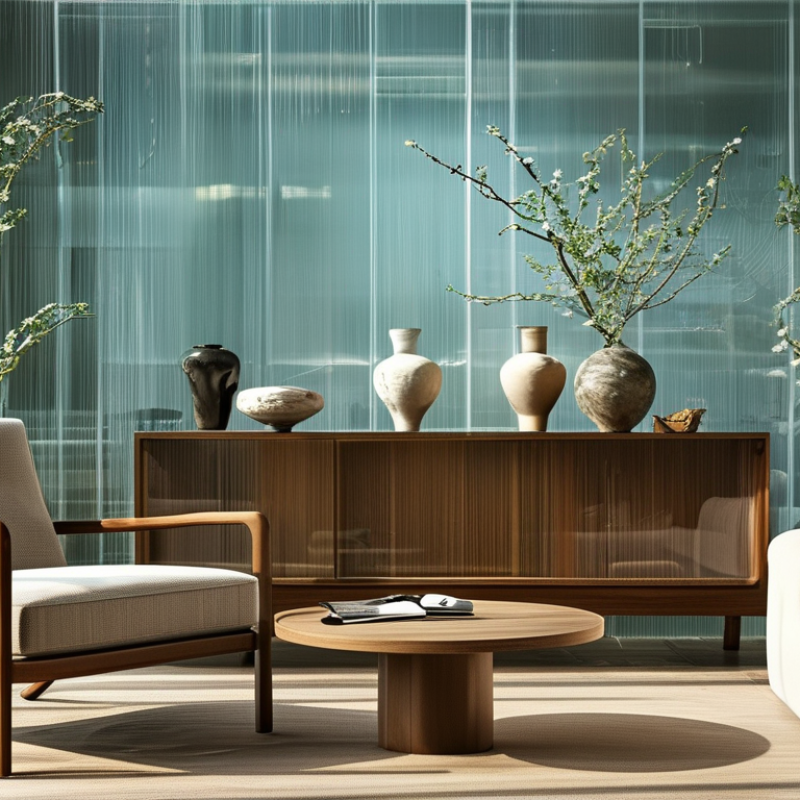
Factors to Consider When Selecting Petg Film for Interiors
When selecting PETG film for interior design projects, there are several crucial factors to consider. One key aspect is the film’s thickness. Thicker films offer better durability and impact resistance, suitable for busy areas. However, they may lack flexibility. A balance between flexibility and durability is essential for achieving the desired aesthetic without compromising function.
Color and transparency can significantly affect design outcomes. Transparent PETG films allow light to permeate, enhancing brightness in a space. Conversely, colored films can add vibrancy but may limit natural light. Designers must assess how color choices will interact with existing elements in the space. Additionally, UV resistance should not be overlooked; this protects the interior from fading over time, ensuring longevity.
The surface finish of the PETG film plays a vital role as well. Matte finishes can create a subtle, sophisticated look, ideal for quiet spaces. Glossy finishes may appear sleek and modern, but they can also amplify reflections, potentially creating glare. Each finish comes with its unique challenges. Designers should consider the environment where the film will be used, taking into account the potential for fingerprints and upkeep requirements.
Types of Petg Film Suitable for Different Interior Design Styles
When selecting PETG film for interior design, understanding the types is crucial. PETG film offers versatility for various design aesthetics. For minimalist styles, clear and frosted PETG films enhance light flow. These options provide a sleek finish while ensuring privacy. According to a recent design study, 74% of designers prefer materials that balance simplicity with functionality.
For industrial designs, textured PETG films add depth. These films can mimic metal or wood finishes while remaining lightweight. A report indicated that materials like PETG contribute to 35% of sustainable design projects, making them a reliable choice. Designers can create striking contrasts by combining matte and glossy finishes, engaging visual interest.
For cozy, rustic interiors, colored PETG films resonate with warmth. They can emulate stained glass effects, enhancing the ambiance. It's essential to ascertain the film's durability and UV resistance. A survey revealed that 60% of interior designers encountered issues with color fading over time. Therefore, thorough testing of materials is advisable to ensure longevity and satisfaction in design execution.
Evaluating Durability and Maintenance of Petg Film Materials
When selecting PETG film for interior design, durability is key. This material is known for its strength and impact resistance. It can withstand everyday wear and tear better than some alternatives. However, not all PETG films are created equal. Some may scratch easily or show signs of wear sooner than others. Understanding the specific attributes of the film you’re considering is essential.
Maintenance also plays a significant role in your choice. PETG can be relatively easy to clean, but improper care may damage it. Avoid harsh chemicals that can mar its surface. A gentle cleanser and soft cloth work best. Think about the environment where the film will be used. High-traffic areas may require a more resilient option, while a decorative piece may prioritize aesthetics over durability.
It is also important to consider the aesthetic qualities of the film. Some finishes can enhance the look but may be less durable. Experimenting with textures or colors can lead to unexpected results, requiring careful evaluation post-installation. Finding the right balance between appearance and performance might take time, but is crucial for long-lasting designs.
Color and Texture Options for Enhanced Aesthetic Appeal
When selecting PETG film for interior design, color and texture play crucial roles. According to a recent industry report, 72% of designers prioritize visual appeal when choosing materials. This emphasizes the importance of color selection. Bright and vibrant colors can inspire energy and creativity in spaces. In contrast, soft hues can create a calming atmosphere.
Texture adds another layer of interest. A matte finish can provide a sophisticated vibe, while a gloss finish enhances durability. Industry statistics show that textured surfaces increase the perception of depth in a room. Designers often experiment with combinations of colors and textures. This experimentation can lead to unique aesthetics, but it also poses challenges. Balancing contrasting textures with colors requires careful consideration.
One common misstep is overloading a space with too many elements. Clarity in design is essential for achieving a harmonious look. Professional designers often suggest beginning with a neutral base. This provides a canvas for introducing vibrant colors and various textures. A thoughtful approach can lead to striking design outcomes, fostering spaces that are both beautiful and functional.
How to Choose Petg Film for Interior Design Projects? - Color and Texture Options for Enhanced Aesthetic Appeal
| Color Option |
Texture Type |
Aesthetic Appeal |
Best Use Case |
| Matte Black |
Smooth |
Sleek and Modern |
Contemporary Offices |
| Translucent White |
Frosted |
Soft and Inviting |
Residential Rooms |
| Bright Red |
Textured |
Bold and Vibrant |
Creative Spaces |
| Dark Blue |
Metallic |
Luxurious and Elegant |
High-End Retail |
| Emerald Green |
Satin |
Fresh and Natural |
Wellness Centers |
Budgeting and Cost-Effectiveness in Petg Film Selection
When selecting PETG film for interior design, budgeting is crucial. The cost-effectiveness of a material can significantly affect project viability. Industry reports indicate that PETG films can range from $5 to $15 per square foot, depending on thickness and finish. This wide range means that careful selection is necessary to align with both aesthetic goals and budget constraints.
Moreover, while opting for cheaper options may seem appealing initially, the long-term implications must be considered. Lower-priced films may require more frequent replacement or lead to higher maintenance costs. For instance, a study from the Interior Design Institute highlighted that low-quality materials could result in a 30% increase in overall project costs due to durability issues. Balancing price with quality is essential.
Investing in quality PETG films might appear more expensive upfront. However, they offer better longevity and aesthetic appeal. Many professionals recommend considering the lifecycle cost of materials rather than just the initial purchase price. This approach ensures that projects remain economically viable over time, promoting smarter investments in interior design. The right choice ultimately reflects both financial wisdom and design integrity.
Conclusion
When selecting Petg film for interior design projects, several factors must be considered to ensure that the material aligns with the design vision and functional requirements. Key considerations include the specific types of Petg film that complement various interior design styles, as well as the durability and maintenance needs of these materials. Evaluating the color and texture options available can significantly enhance the aesthetic appeal of interiors, allowing for creative expression and integration with existing decor.
Moreover, budgeting is crucial in the selection process. Assessing the cost-effectiveness of different Petg film options can help in making informed decisions that balance quality and financial viability. By carefully analyzing these aspects, designers can leverage Petg film for interior applications that are not only visually striking but also practical and sustainable.