Choosing the right "Pet Film For Facades" is crucial for both aesthetics and functionality in architectural design. The global market for facade films has been growing steadily, with a projected CAGR of 5.6% from 2023 to 2028, according to recent industry reports. Architectural professionals are urged to consider various factors, such as durability and UV protection, before making a selection.
John Smith, a leading expert in facade technologies, emphasizes, “The right Pet Film can significantly enhance energy efficiency while ensuring the building's beauty.” With the diversity of options available, selecting the best film can be overwhelming. Many brands promise high performance, but not all meet rigorous industry standards.
Understanding the unique needs of your project helps narrow down choices. Factors like local climate, building materials, and design goals should guide your decision. While advancements have been made, there are still gaps in the market. Some films may underperform in real conditions, leading to potential issues. Therefore, careful consideration is necessary to ensure a successful outcome in your architectural ventures.
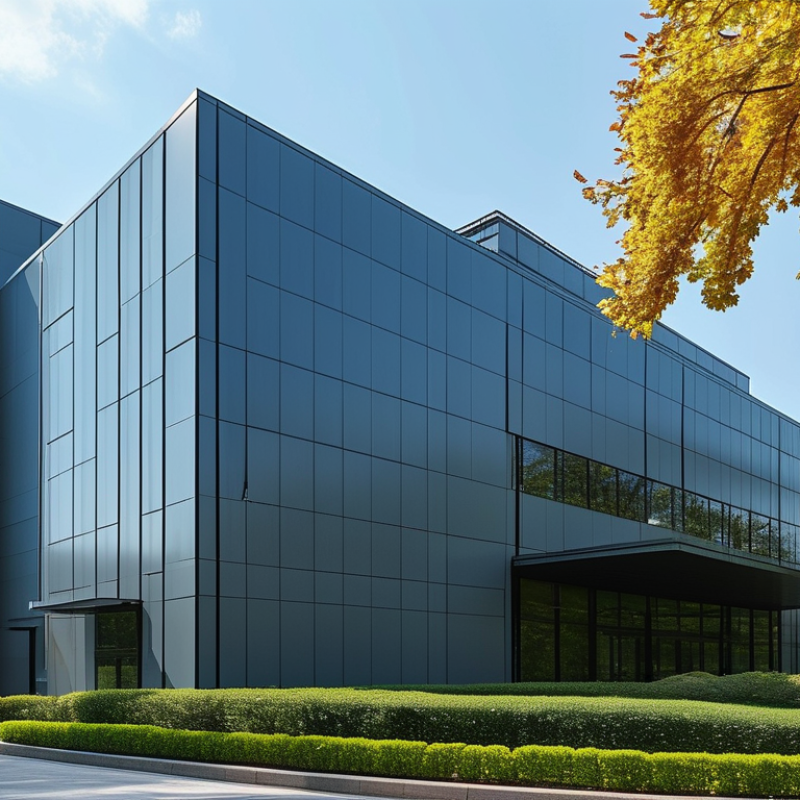
Understanding the Importance of Pet Film for Facades
Choosing the right PET film for facades significantly impacts energy efficiency and aesthetics.
PET films are designed to enhance the performance of building materials.
They provide thermal insulation and UV protection, extending the lifespan of facades.
Understanding the specific needs of a building is crucial.
Different climates demand varying levels of insulation and sunlight management.
Experience shows that not all PET films are created equal.
Some may not adhere well, leading to peeling over time.
Testing small samples can ensure compatibility with the surface.
Additionally, the installation process must be executed properly.
Mishandling can lead to bubbles or wrinkles that detract from appearance.
Consider the durability of the chosen film.
Different formulations offer varying levels of resistance to environmental factors.
Ideally, a film should withstand harsh weather, fading, and scratching.
Evaluating these aspects requires a comprehensive understanding of the materials involved.
It’s a worthwhile investment for ensuring a building remains attractive and functional for years.
Assessing the Different Types of Pet Films Available
When assessing the different types of PET films for facades, it's essential to consider their characteristics. The market offers several varieties, each with unique properties. According to a recent analysis by Industry Research Group, the demand for high-performance PET films is expected to grow significantly, with a projected CAGR of 6.2% from 2023 to 2030. This growth is driven by their excellent optical clarity and durability, making them ideal for architectural applications.
One key factor in selecting PET films is the thickness. Thicker films often provide better insulation and UV resistance. However, they may also be less flexible. A study published by the Plastic Film Association highlights that films with a thickness of 50 microns can block up to 99% of harmful UV rays. This makes them an excellent choice for environments with high sun exposure. On the flip side, using thicker films can increase installation complexity, which might require a skilled workforce.
Another consideration is the film's surface treatment. PET films can be treated to enhance scratch resistance or to create a matte finish. The versatility of these treatments can meet various aesthetic and functional requirements. Nevertheless, not every treatment is suitable for all settings. Some applications may suffer from reduced adhesion or longevity. This underscores the importance of conducting thorough research and consulting with experts before making a decision.
Evaluating the Key Features to Consider in Pet Films
When selecting the best pet film for facades, several key features deserve careful evaluation. Transparency is crucial. A high-quality pet film should balance visibility and protection. Films with clear features can enhance aesthetic appeal while preventing UV damage. Look for products that offer a blend of light transmission and privacy.
Durability is another important factor. The ideal pet film should withstand harsh weather conditions. This includes high temperatures, humidity, and UV exposure. Choose films with robust protective coatings. Such features ensure longevity and prevent peeling over time.
User feedback can provide insightful reflections. Pay attention to reviews about the film's performance and installation ease. Some films may be challenging to apply, leading to bubbles or misalignment. It’s essential to consider these experiences before making a final decision. This approach not only enhances understanding but also aids in selecting the most suitable film for your façade.
Identifying Suitable Applications for Pet Films on Facades
When considering pet films for facades, understanding suitable applications is crucial. Different environments demand distinct properties from these films. For instance, buildings in urban areas often face dust and pollution. A robust film can offer better protection against wear and tear. Films designed for such conditions should be easy to clean and maintain.
In contrast, facades in coastal regions require films with high resistance to moisture and salt. These films should also exhibit UV protection, preventing color fading and material degradation. Aesthetic considerations are essential. The right film enhances a building’s visual appeal while providing functional benefits. Architects and designers often debate the balance between style and durability.
However, not all applications are straightforward. Some films may underperform under specific weather conditions. Testing in real-world settings provides insights into their reliability. It is vital to assess each project’s unique challenges. Experts advise a careful evaluation of environmental factors before selecting a pet film. Being aware of these nuances can prevent costly mistakes.
Tips for Installation and Maintenance of Pet Films on Facades
When installing pet films on facades, preparation is key. Ensure the surface is clean and dry. Any dust or moisture can lead to poor adhesion. It's advisable to perform a thorough cleaning with suitable non-abrasive solutions. Use a squeegee to eliminate air bubbles, ensuring a smooth application. Pay attention to corners and edges, as these areas often require extra care.
Regular maintenance of pet films is essential for longevity. Routine inspections help detect any signs of wear or peeling. If you notice any imperfections, address them as soon as possible. Cleaning should be done with soft cloths and gentle solutions to avoid scratching the film. Heavy-duty chemicals can damage the film, reducing its lifespan. A maintenance schedule can guide you in keeping the facades looking fresh and intact.
Consider the environmental conditions in your area. UV exposure and extreme weather can affect the film’s performance. In regions with harsh climates, opt for films specifically designed for durability. Remember, even high-quality films may require replacement after several years. Monitoring the film's condition regularly can save you trouble in the long run. Ensuring proper installation and maintenance is a continuous process requiring commitment.
Conclusion
Choosing the best Pet Film for Facades is crucial for enhancing building aesthetics while providing functional benefits. Understanding the importance of Pet Film involves recognizing its role in protecting facades from UV damage, improving insulation, and maintaining visual appeal. Various types of Pet Films are available, each with distinct characteristics, suitable for different environments and applications.
When selecting Pet Film for Facades, it's essential to evaluate key features such as durability, optical clarity, and thermal performance. Identifying the right applications, whether for commercial, residential, or industrial settings, ensures optimal functionality. Finally, proper installation and maintenance tips can prolong the life of Pet Films, ensuring that facades not only look great but also perform efficiently over time.