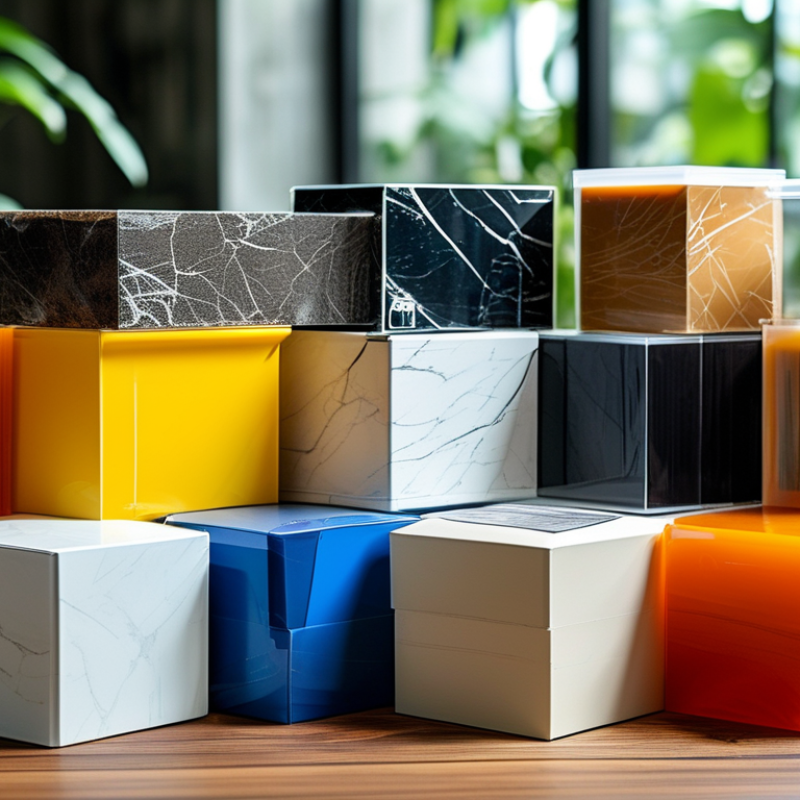
Choosing the right Petg Film For Display Cases is crucial for showcasing your items. This film not only protects your valuables but also enhances their appearance. With various options available, making an informed choice can feel overwhelming.
In this guide, we will explore the best PETG films currently on the market. We'll delve into their unique features, offering insights into how they perform in different conditions. Users often overlook the importance of UV protection and clarity when evaluating films.
Selecting the perfect Petg Film For Display Cases requires careful consideration. Factors like thickness, durability, and cost come into play. Reflecting on personal experiences can provide valuable understanding. It’s essential to weigh your options and recognize that not every film will meet expectations. A well-chosen film can significantly elevate your display, but the wrong choice may lead to disappointment.
Types of PETG Films Suitable for Display Cases
When choosing PETG films for display cases, it’s essential to understand the types available. Clear PETG films are popular due to their transparency and durability. They provide excellent visibility while protecting items from dust and UV rays. A study by the American Plastics Council highlights that PETG can block up to 90% of harmful UV radiation.
Colored PETG films are another option. These films come in various colors and can enhance the aesthetic appeal of display cases. They are also effective in reducing glare, making them ideal for retail environments. According to a recent industry report, color customization in PETG display cases can increase customer interest by 30%.
Another notable type is matte PETG film. This film offers a non-reflective surface, reducing distractions in high-traffic areas. However, it may be more prone to scratches compared to glossy options. It's essential to weigh the pros and cons of each type before making a decision. Choosing the right film type involves considering factors like the environment and the displayed items' nature.
Key Features to Look for in PETG Films
When choosing PETG films for display cases, several key features come into play. Look for films that provide high clarity. A clear film allows for an unimpeded view of the items inside the display case. Additionally, opt for UV resistance. This feature protects displayed items from harmful sunlight that can cause fading.
Consider the thickness of the PETG film. Thicker films offer better durability, yet can be slightly heavier. Ensure that the film is flexible. Flexibility is crucial for easy installation. A rigid film can lead to complications, especially around edges and corners.
Tips: Pay attention to the film’s surface finish. A matte finish reduces glare, while a glossy finish enhances color depth. Consider your display's lighting when making a choice. Sometimes, testing samples in different lighting environments helps reveal the best option. Always check for manufacturer specifications to ensure compatibility with your display case materials. Choosing the right PETG film can secure and enhance the overall presentation of your items.
How to Measure and Cut PETG Film for Your Display Case
Measuring and cutting PETG film for display cases is essential for achieving a professional appearance. To start, gather your materials: a ruler, a utility knife, and a cutting mat. Accurate measurements are crucial. According to industry reports, a 1/16-inch error in measurement can lead to significant issues in fit. Use a clean, flat surface for your cutting. This ensures precision.
When measuring the dimensions of your display case, consider the depth, width, and height. Write down your measurements clearly. Remember to add a little extra film for overlapping edges and seams. This will help in providing stability and preventing tears. Experienced crafters recommend using a straight edge to guide your blade. This reduces the risk of jagged cuts.
Here's a quick tip: take your time with each cut. Rushing can lead to mistakes. Additionally, cutting the film in optimal lighting can prevent shadows that distort your view. Most importantly, test a small piece first. This can save you from making a costly error on your main piece. Don't hesitate to ask for help if you're unsure. Tools won't do it alone; your precision matters too.
Best Practices for Installing PETG Film on Display Cases
When installing PETG film on display cases, preparation is key. Clean surfaces thoroughly before application. Dust or oils can ruin the final look. Use a mild detergent to wipe down the area. Allow it to dry completely. This might seem simple, but even a small oversight can lead to air bubbles.
One effective tip is to use a spray solution of water and a few drops of dish soap. Lightly mist the adhesive side of the PETG film before placement. This allows for repositioning without instantly sealing the film. Once in place, swipe out any air bubbles with a squeegee. It’s a common mistake to press too hard, which can damage the film. Instead, start gently and gradually increase pressure.
Pay attention to corners during installation. They can be tricky, and bubbles often form there. Trimming excess film can help, but always aim for precision. A well-installed PETG film not only enhances visibility but also protects items displayed inside. Practice makes perfect here; don't be afraid to try again if your first attempt isn't ideal. Every detail matters in achieving a professional finish.
Maintenance and Care Tips for PETG Film Displays
When it comes to maintaining PETG film displays, regular care is essential. Cleaning the surface with a soft microfiber cloth keeps it looking fresh. Be gentle; harsh abrasives can scratch the film. Avoid alcohol-based cleaners. They can cause damage over time. Stick to a mild soap solution. This helps protect the longevity of the material.
Environment plays a crucial role too. Keep displays away from direct sunlight. Prolonged exposure can lead to discoloration and warping. Monitor humidity levels, as high moisture can affect the film’s integrity. Make sure your displays are in a cool, dry place. It's important to regularly check for any signs of wear. Small tears can grow over time if left unattended.
Handling the film properly is another key factor. Always use clean hands or gloves when touching the film. This prevents oils from your skin from transferring. If you notice any scratches, consider replacing the film sooner rather than later. A slight imperfection might not seem like much, but it can detract from the overall appearance. Prioritize routine inspections to keep your display cases looking their best.
2026 Best PETG Film For Display Cases Guide and Tips
| Feature |
Description |
Care Tips |
| Clarity |
PETG provides excellent optical clarity, making it ideal for display cases. |
Clean with a soft microfiber cloth to maintain clarity. |
| UV Resistance |
Resistant to UV light, reducing yellowing over time. |
Avoid exposure to direct sunlight for prolonged periods to extend lifespan. |
| Impact Resistance |
More impact-resistant than acrylic, ensuring durability in displays. |
Use protective coatings for added resilience against scratches. |
| Temperature Range |
Can withstand a wide range of temperatures, ideal for various environments. |
Avoid exposing to extreme heat to prevent warping. |
| Thickness Options |
Available in various thicknesses, suitable for different display needs. |
Choose thickness based on display weight and type. |
FAQS
: Look for high clarity to display items clearly. Opt for UV resistance to protect against sunlight damage.
Thicker films provide durability but may be heavier. Balance thickness with installation needs for best results.
Clean surfaces first; dust can cause issues. Use a soapy water mist on the adhesive side for repositioning.
Start gently when using a squeegee to remove bubbles. Press too hard can damage the film while working.
Clean with a soft cloth and mild soap. Avoid harsh cleaners to preserve the film's integrity and appearance.
Protect displays from direct sunlight and humidity. Monitor surroundings to avoid discoloration and warping.
Regularly inspect for small tears. Replace damaged film promptly to maintain the display's overall appearance.
Yes, practice can improve results. Don’t hesitate to try again if needed; every detail can affect the final look.
Precision is key, especially with corners. Trim excess film carefully for a smooth, finished appearance.
Clean hands prevent oils from transferring. This helps maintain the film's clarity and overall appearance over time.
Conclusion
When selecting the best PETG film for display cases, it’s essential to understand the various types of PETG films available, each offering unique properties tailored to different display needs. Key features to consider include clarity, thickness, UV resistance, and ease of installation, which collectively enhance the aesthetic and functional quality of the display case.
Proper measurement and cutting techniques are crucial to ensure that the PETG film fits perfectly on your display case. Additionally, following best practices for installation will help secure the film without bubbles or creases. Finally, routine maintenance and care tips will keep your PETG film for display cases looking pristine for years to come, ensuring your displays effectively showcase their contents while maintaining durability.