
What are the Benefits of Using PETG Film for Facades?

Time:2026-07-25 Author:Henry
0%

The use of PETG film for facades has gained significant attention in modern architecture. This versatile material offers numerous advantages that enhance both aesthetics and functionality. With its unique properties, PETG film for facades provides effective protection against environmental factors while allowing for creative design choices.

One key benefit of PETG film is its durability. Resistant to impact and weathering, it contributes to a building's longevity. Additionally, its clarity ensures that natural light can permeate, creating bright and inviting spaces. Architects appreciate its ability to be easily fabricated, enabling innovative shapes and designs that traditional materials might not allow.

While the benefits are notable, there are considerations to take into account. The installation process can be challenging and requires expertise. Moreover, the long-term performance of PETG film in various climates remains a topic for further exploration. Overall, PETG film for facades presents promising opportunities for both new constructions and renovations, blending form with function in exciting ways.
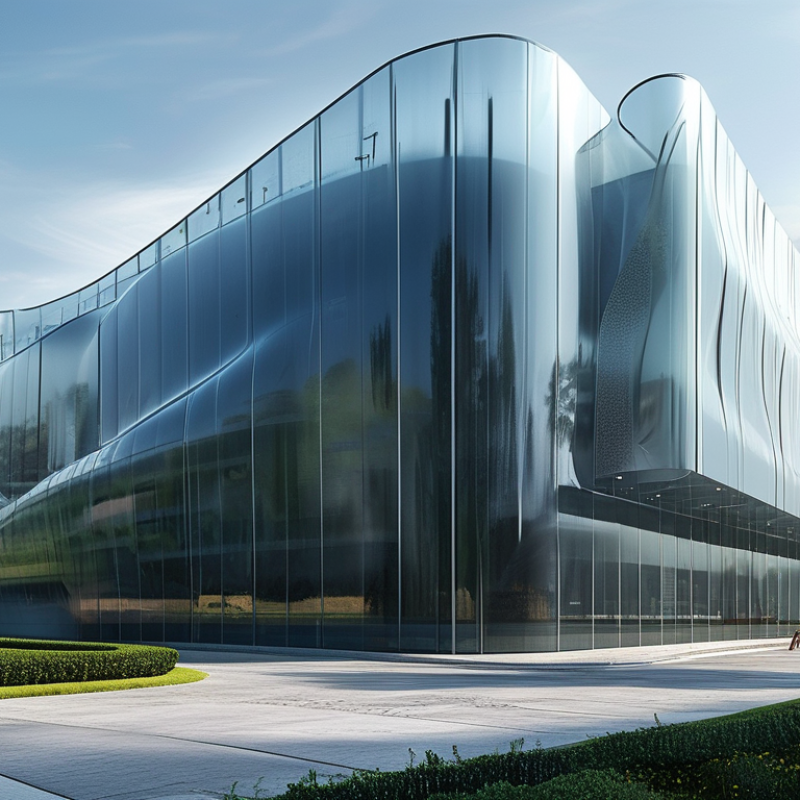
What are the Benefits of Using PETG Film for Facades?

Advantages of PETG Film in Architectural Facade Applications

PETG (Polyethylene Terephthalate Glycol) film is gaining traction in architectural facade applications due to its remarkable properties. Its durability is one of the key advantages. According to a report from the International Association of Plastic Engineers, PETG can last over 20 years without significant degradation under normal weather conditions. This longevity is essential for facades exposed to harsh environments.

The clarity of PETG film is another attractive feature. With a transparency rating above 90%, it allows natural light to penetrate buildings. This transparency contributes to energy efficiency. Research by the Energy Trust found that buildings using PETG can reduce energy consumption by up to 30%. The film also has excellent color stability, which means it will not easily fade over time.

However, it is vital to consider its limitations. While PETG is strong, it is also more prone to scratches compared to glass. This can affect aesthetics if proper maintenance is not practiced. Additionally, while the initial cost may be higher, the long-term benefits can outweigh this investment. Ultimately, architects and builders must weigh these factors when selecting materials for facades.

Durability and Weather Resistance of PETG Film for Exterior Use

PETG film is increasingly recognized for its durability and weather resistance. This material offers significant advantages for building facades. Its ability to withstand harsh environmental conditions sets it apart from other options. When exposed to extreme temperatures, PETG maintains stability, ensuring long-term performance.

The lightweight nature of PETG makes installation simpler. However, care must be taken during installation, as improper handling can lead to scratches. In addition to its resilience, PETG film is resistant to UV radiation. This helps maintain its clarity and color over time, preventing unsightly fading.

With proper maintenance, PETG can outperform traditional materials. However, users should be aware that, like any material, it has limitations. For instance, excessive impact can cause fractures. Routine inspections can help identify potential issues early. This proactive approach can enhance the overall lifespan of facades using PETG film.

Aesthetic Flexibility: Customization Options with PETG Film

PETG film offers significant aesthetic flexibility when used for building facades. Its customizable options allow architects to create unique designs that stand out. The film can be produced in various colors, transparencies, and textures. This means a simple facade can become a vibrant display. The possibilities are nearly endless, allowing for creativity in both residential and commercial structures.

Moreover, the lightweight nature of PETG film makes it easy to install. However, this can also pose challenges during construction. Careful planning is essential to avoid issues like warping or peeling. The film's durability is impressive, but it requires proper maintenance to retain its appearance. Without regular care, the vibrant colors may fade over time.

Designers should consider the environmental impact of their choices. While PETG is recyclable, not all facilities can process it. This means some PETG products might end up in landfills. It’s crucial to evaluate the lifecycle and end-of-life scenarios for sustainability. These reflections help ensure that the benefits of using PETG are maximized while minimizing negative effects on the environment.

Sustainability and Environmental Impact of PETG Film

PETG film is gaining traction in facade applications due to its environmental advantages. This thermoplastic copolyester is known for its recyclability and reduced environmental footprint. Unlike traditional materials, PETG film can be recycled multiple times, minimizing waste in landfills. It also requires less energy during manufacturing compared to metal or glass. This is an essential aspect of sustainable building practices.

Tips: Choose sources that verify PETG's recyclability and lifecycle. Use local recycling facilities that accept PETG products to enhance sustainability.

In terms of durability, PETG film is resistant to UV and weather impacts. This quality prolongs the life of the facade, reducing the frequency of replacements. However, users should be aware of its temperature sensitivity. Extreme heat can cause deformation, stressing the importance of proper installation and materials selection.

Tips: Regular maintenance can help monitor the condition of PETG film. Consider temperature conditions in your area before choosing this material.

What are the Benefits of Using PETG Film for Facades? - Sustainability and Environmental Impact of PETG Film

Benefit Dimension Description Environmental Impact
Durability PETG film is resistant to impact and weather, ensuring longevity. Reduces the need for frequent replacements, minimizing waste.
Recyclability PETG can be recycled, offering a circular option for waste management. Contributes to lower landfill usage and promotes resource recovery.
UV Resistance Provides protection against UV rays, prolonging its structural integrity. Helps in energy savings by minimizing heat gain.
Lightweight Easier to handle and install compared to heavier materials. Lowers transportation emissions and costs.
Aesthetic Versatility Available in various finishes and colors, enhancing design flexibility. Encourages the use of innovative designs, promoting sustainable architecture.

Cost-Effectiveness of Using PETG Film in Facade Design Projects

PETG film is gaining attention for facade design projects due to its cost-effectiveness. This material combines affordability with impressive durability. It is a great option for builders looking to balance budget constraints while still achieving aesthetic appeal.

The material is also lightweight and easy to handle. This can reduce labor costs during installation. Architects can create complex shapes without worrying about excessive structural support. However, not all projects may benefit equally from PETG. Some designs might require sturdier materials for long-term durability.

When considering PETG for a facade, a critical look at environmental impact is necessary. While it offers several benefits, it's essential to evaluate its recyclability and lifecycle. Not every project may align with sustainability goals. Balancing cost and environmental responsibility is a challenge worth addressing in facade design.

FAQS

: What is PETG film known for in architectural facades?

: PETG film is known for its durability, lasting over 20 years under normal weather conditions.

How does PETG film impact energy efficiency?

PETG film allows over 90% transparency, helping buildings reduce energy consumption by up to 30%.

Does PETG film have color stability?

Yes, PETG film maintains its color well and does not fade quickly over time.

What are the limitations of using PETG film?

PETG is more prone to scratches than glass, impacting aesthetics without proper maintenance.

Is PETG film environmentally friendly?

Yes, PETG film is recyclable and has a lower environmental footprint than metal or glass.

What maintenance is required for PETG film?

Regular maintenance is necessary to check and maintain the condition of PETG film.

Can extreme temperatures affect PETG film?

Yes, extreme heat can cause PETG film to deform, so proper installation is crucial.

How does PETG film benefit builders financially?

PETG is lightweight, which can lower labor costs during installation and offers durability at a good price.

Is PETG always a suitable choice for facade designs?

Not every project suits PETG; some designs may need sturdier materials for long-lasting durability.

What should architects consider when choosing PETG?

Architects must balance cost, sustainability, and project requirements when considering PETG for facades.

Conclusion

PETG film for facades offers numerous advantages for architectural applications, making it an increasingly popular choice among designers and builders. Its durability and weather resistance ensure that structures can withstand harsh external conditions while maintaining their aesthetic appeal. The aesthetic flexibility of PETG film allows for a wide range of customization options, enabling architects to create unique and visually striking facades that enhance the overall design of a building.

Moreover, PETG film for facades is not only functional but also environmentally responsible. It is a sustainable material that can contribute to eco-friendly building practices, reducing the overall environmental impact of construction projects. Additionally, the cost-effectiveness of PETG film in facade design projects makes it an attractive option for developers looking to balance quality and budget. Overall, the use of PETG film for facades combines performance, beauty, and sustainability in modern architecture.

Henry

Henry

Henry is a dedicated marketing professional with a profound expertise in the company's offerings. With years of experience in the industry, he possesses an impressive understanding of the market dynamics and consumer behaviors that drive success. Henry is committed to sharing his insights through......